
Political Psychology
The study of how political events and people's thoughts, emotions, and behaviors influence political decisions.

Source: iStock
Overview
Political psychology explores how psychological processes shape political attitudes, beliefs, identities, and behavior, as well as how political environments influence individuals and groups. Because the field draws heavily from both political science and psychology, the Political Science and Psychology guides provide the broadest coverage of relevant scholarly resources and should be important starting points for research.
The resources highlighted on this page complement those resources by focusing specifically on political psychology, including specialized journals, reference works, and other resources devoted to the field.
Political Psychology Reference
There are only a few standalone reference sources for political psychology. Most of these are found in specialized handbooks and general introductory texts, including textbooks.
Bibliographies
Bibliographies
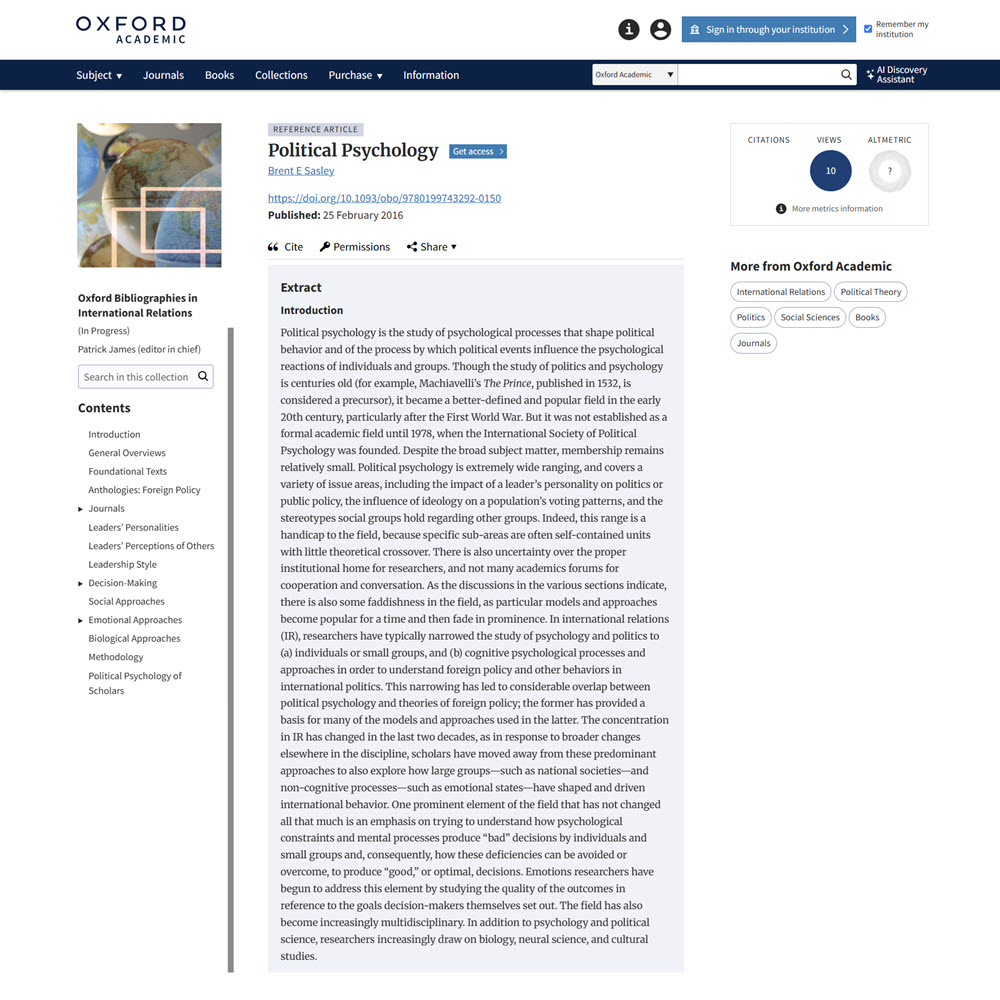
Oxford Bibliographies provides scholarly bibliographies in most social science disciplines, including political psychology. Each bibliography includes authoritative books, journal articles, websites, and other materials selected and organized by academic scholars. These bibliographies can also help researchers begin building literature reviews by identifying important authors, major debates, foundational studies, and key publications on different psychology topics.
Encyclopedias
Encyclopedias
Subject encyclopedias are specialized reference works that provide in-depth information on specific discipline topics. Unlike general encyclopedias, which cover a wide range of topics, subject encyclopedias focus exclusively on one field, offering detailed and comprehensive entries written by experts. For a list of general and specialized encyclopedia databases, go to Getting Started—Reference Resources.


Handbooks
Handbooks
Handbooks provide comprehensive overviews of major anthropological topics, theories, methods, and current scholarship. Written by experts, they synthesize decades of research and can help researchers understand a subject before moving on to primary literature.






Introductions & Textbooks
Introductions & Textbooks
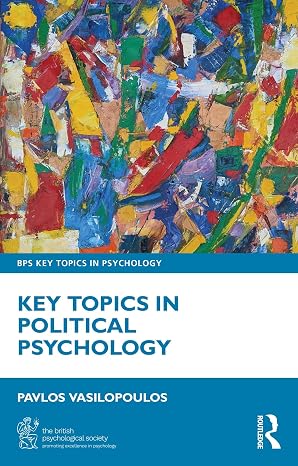
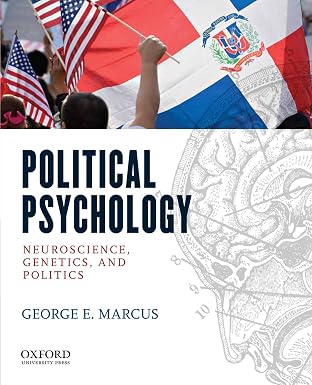
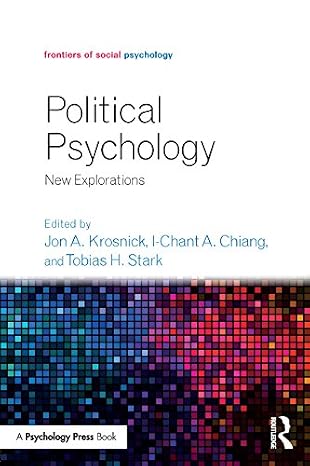
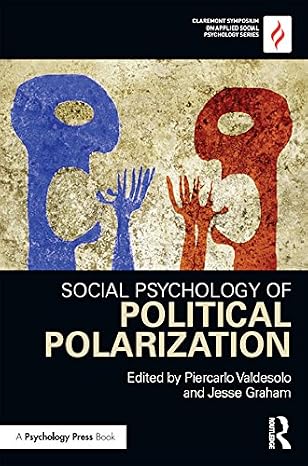
Introductions and textbooks explain the fundamentals of political psychology and its subfields, including key concepts, theories, methods, and major areas of study, in a clear and accessible way. They are especially helpful for students who are new to the field, need background knowledge, or want a broad overview of the discipline before exploring more specialized research.





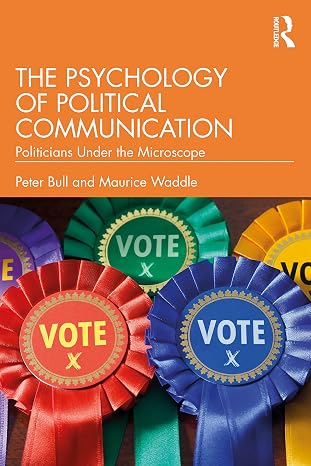
Major Political Psychology Journals
There is no single Journal Citation Report category for “Political Psychology.” It is an interdisciplinary field that crosses political science, psychology, communication, and other interdisciplinary social sciences. Below are major political psychology journals whose articles examine relationships between psychological and political processes.
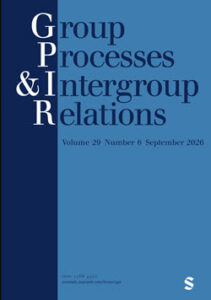
Group Processes & Intergroup Relations is an interdisciplinary journal that examines how individuals and groups think, interact, and behave within and between social groups. It publishes research on topics such as social identity, prejudice, discrimination, stereotypes, intergroup conflict, collective action, polarization, and group dynamics.

Journal of Experimental Political Science is an interdisciplinary journal that publishes experimental research on political behavior and political processes. It covers topics such as voting, public opinion, political attitudes, campaigns, political communication, decision-making, institutions, and group behavior.
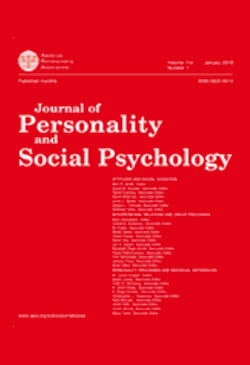
The Journal of Personality and Social Psychology (JPSP) is a leading peer-reviewed journal published by the American Psychological Association (APA). It publishes research relevant to political psychology, examining topics such as political attitudes and ideology, stereotyping and prejudice, social identity, intergroup conflict, persuasion, motivated reasoning, and the psychological processes underlying political behavior.
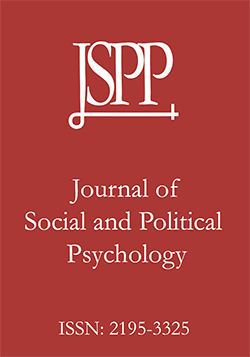
The Journal of Social and Political Psychology (JSPP) is a peer-reviewed, open-access journal that publishes research at the intersection of social and political psychology. It covers topics such as political attitudes and behavior, ideology, social identity, intergroup relations, prejudice and discrimination, collective action, power, inequality, conflict, and social change.
Personality and Social Psychology Bulletin (PSPB) is a peer-reviewed journal that publishes research across personality and social psychology. It also includes articles on political psychology research involving political attitudes, ideology, social identity, intergroup relations, polarization, and the psychological foundations of political behavior.
Political Behavior is a peer-reviewed, interdisciplinary journal that examines political attitudes and behavior at both the individual and institutional levels. It publishes research on topics such as voting and political participation, public opinion, attitude formation and change, political motivations and perceptions, parties, interest groups, government institutions, and mass media.
Political Communication is an interdisciplinary journal that examines the relationship between politics, media, and communication. It publishes research on topics such as political campaigns, public opinion, media effects, political persuasion, digital and social media, misinformation, and how citizens receive and respond to political information.
The principal journal in the field, Political Psychology, produced by the International Society of Political Psychology, explores the intersection of psychology, politics, and governance. It publishes high-quality research using a wide range of methods and topics, from studies of public opinion and political elites to analyses of democratic and non-democratic systems and international relations.
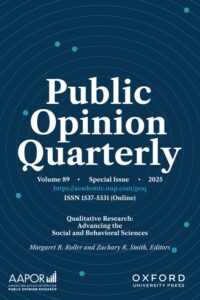
Public Opinion Quarterly (POQ) offers high-quality interdisciplinary research. It publishes influential theoretical work on opinion and communication, analyses of public opinion, and studies on survey methodology, including sampling, questionnaire design, interviewing, and administration methods.
Group Processes & Intergroup Relations is an interdisciplinary journal that examines how individuals and groups think, interact, and behave within and between social groups. It publishes research on topics such as social identity, prejudice, discrimination, stereotypes, intergroup conflict, collective action, polarization, and group dynamics.
Political Psychology News
Articles in political psychology news and magazines highlight emerging research topics and trends, sparking ideas for research questions and assignments. Note that news sources and magazines are written for the general public and are not considered scholarly resources.
[Place Bricks Template Here]
[Place Bricks template Here]
The icons next to each resource indicate its access requirements.
Open source/ Free
Subscription required

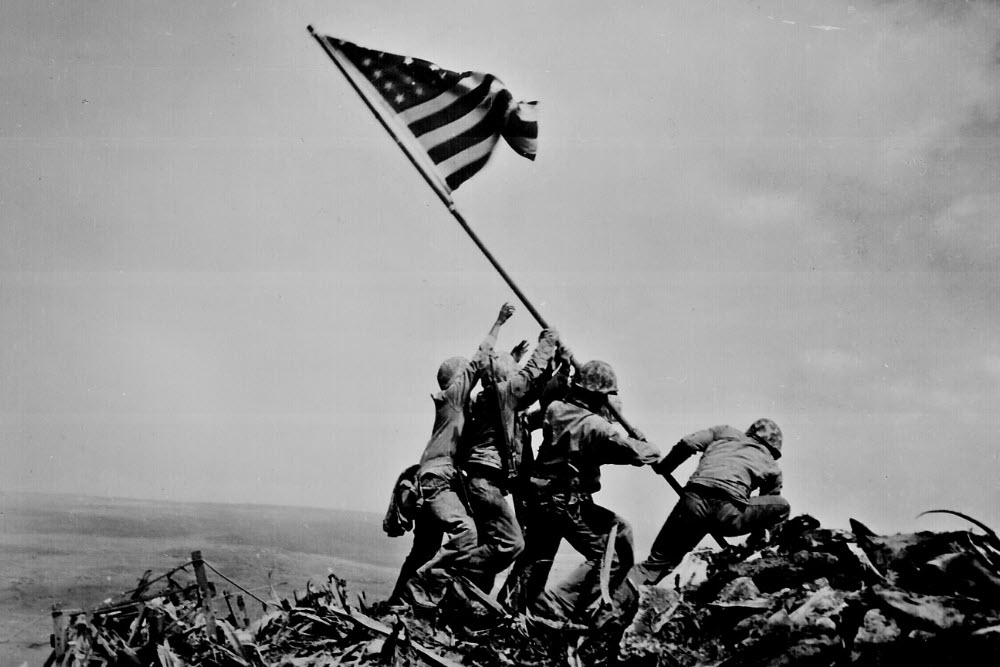
Political psychology grew quickly as a field after World War II, as scholars sought to understand how psychological factors such as personality, identity, attitudes, and group behavior could help explain political phenomena—including authoritarianism, prejudice, leadership, and political decision-making.
Credit: Associated Press (Public Domain)