After choosing a topic, finding resources for a literature review is usually the next step in the research process. Your literature review evaluates existing research on a particular topic and is an especially important part of writing a capstone, thesis, or dissertation.
A basic literature review summarizes relevant historical and current research, themes, or concepts published in academic articles, books, and other scholarly materials on your topic. A literature review also helps you identify gaps
in the existing literature. To ensure you know what type of literature is required for your literature review, consider the following questions:
- Are you searching for scholarly/peer-reviewed journals or books?
- What about non-scholarly resources, such as general magazines (Time, Newsweek, etc.) or newspapers?
- Does your research require raw data for analysis, or can you use statistics from other sources?
Depending on your discipline and academic level, different professors will have different assignment requirements. First-year students are sometimes given more leeway to use fewer scholarly sources than upper-level students, who are expected to rely primarily on peer-reviewed sources. Regardless, make sure to read your syllabus or assignment prompt for details. If in doubt, ask your instructor for clarification.
Help With Writing a Literature Review
Several high-quality resources can help you write a strong literature review. They provide guidance on how to structure and critically analyze the articles you read.
One of the best open-access, quality resources available online is Writing a Literature Review (Purdue OWL), produced by the Purdue University OWL Online Writing Lab, which provides comprehensive writing resources, including guidance on writing a literature review.
A quality subscription source is the Sage Research Methods video An Introduction to Literature Reviews.
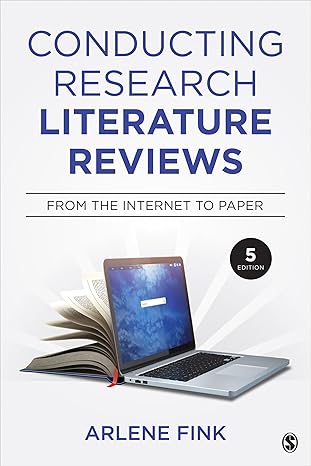
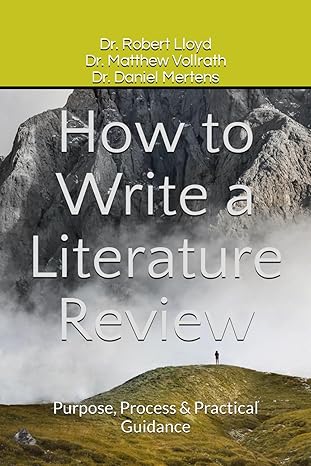
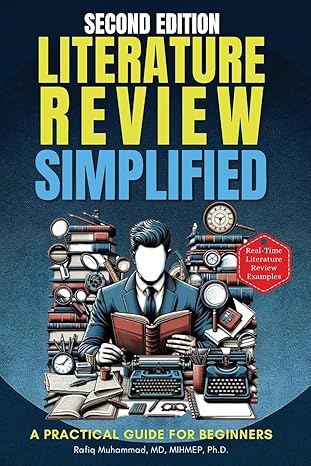
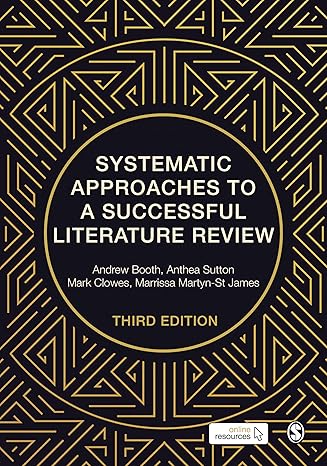
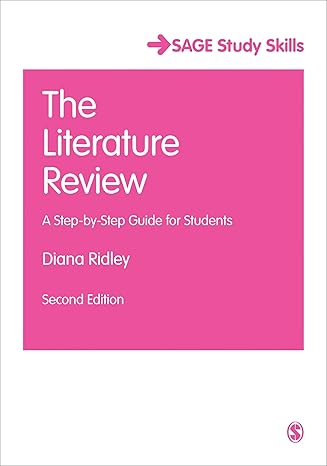
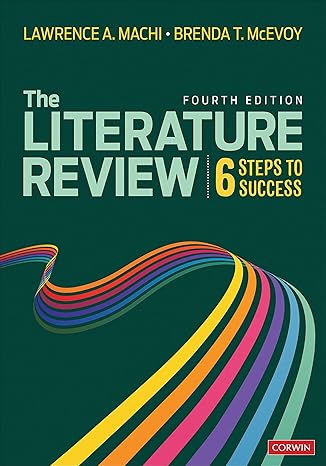
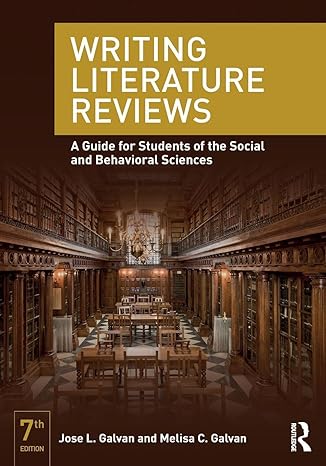
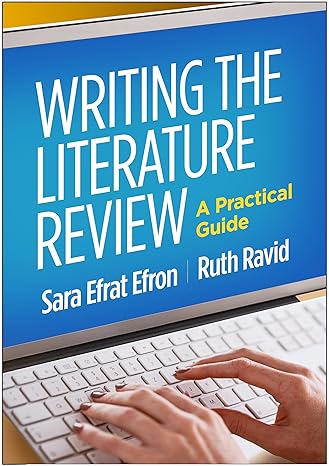
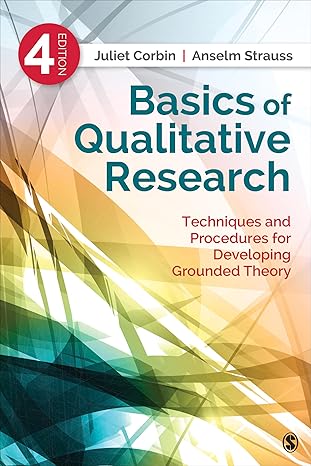
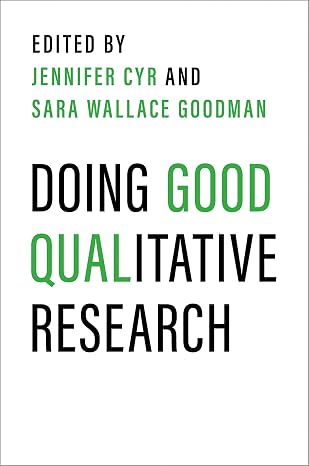
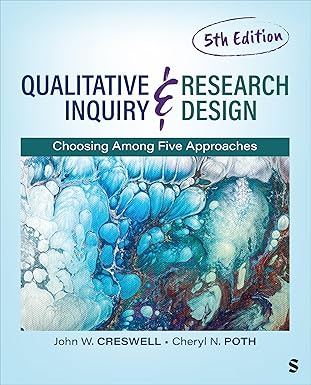
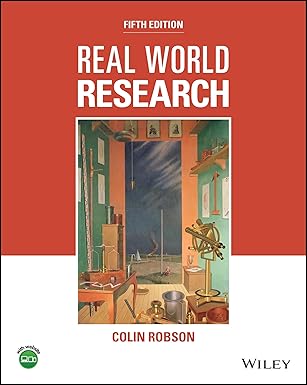
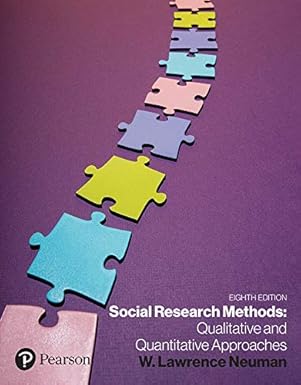
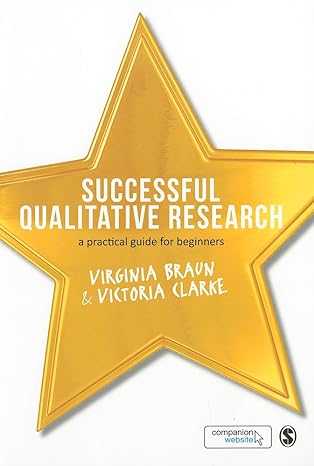
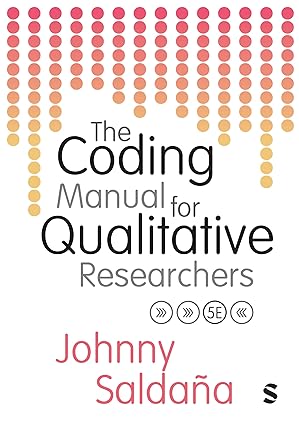
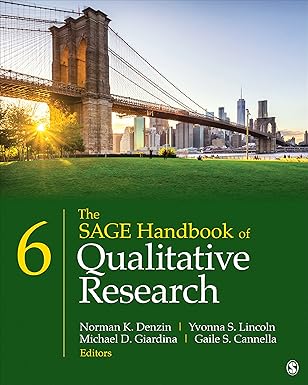
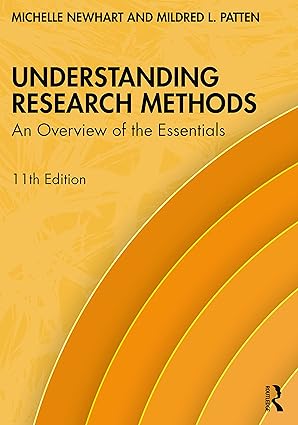
Also consider the following books that may be available in your library.