How to Locate Resources For a Literature Review
A scholarly literature review is an essential part of a research paper, capstone, thesis, or dissertation.

Source: iStock
What's a Literature Review
After choosing a topic, conducting a literature review is usually the next step in the research process when preparing a writing assignment. Reviewing previous scholarly literature on your topic is an especially important part of writing a senior capstone, a master’s thesis, or a PhD dissertation. A basic literature review should do the following:
- Evaluate existing research on a particular topic.
- Summarize current research, themes, or concepts published in academic articles, books, and other scholarly materials on a specific academic topic.
- Provide a scholarly and informative overview of published literature.
- Help researchers stay up-to-date in their respective disciplinary areas.
A literature review can be as brief as a one-page summary in a journal article, a chapter in a thesis or dissertation, or a comprehensive, full-length, stand-alone article like those found in the Annual Reviews.
Why Are Literature Reviews Important?
Literature reviews are important in the following ways:
- They help readers understand the historical and current state of knowledge in a particular discipline or field of study, providing context for a research project.
- They identify key concepts, theories, methodologies, and other findings related to a research topic, which helps researchers build on theoretical frameworks based on established theories and concepts.
- They identify gaps in the existing literature where there may be a lack of research or conflicting findings.
- They also highlight major questions that should be addressed in further literature.
Remember, a literature review is not just a summary of sources. Its real purpose is to show what’s missing. Good literature reviews help researchers spot gaps, disagreements, or unanswered questions, which is often how brand-new research topics are born.
Locating Literature Reviews
Reviewing examples of literature reviews is a great way to learn how to write your own. You can see how scholars organize their introductions, thematic sections, and conclusions. You will notice the common patterns in the way researchers summarize, compare, and critique existing studies. And you can see how scholars identify gaps in the literature, which can help you frame your own literature review.
Keywords for literature reviews
When searching for literature reviews in academic databases, it’s important to use the right keywords and search strategies to find high-quality reviews. Most authors clearly specify the type of literature review in the article title. This makes it relatively easy to locate literature reviews in academic databases. Here’s how to refine your search:
- “literature review” AND “research topic”
- “systematic review” AND “research topic”
- “meta analysis” OR “meta-analysis” AND “research topic”
- “scoping review” AND “research topic”
Bibliographic Resources
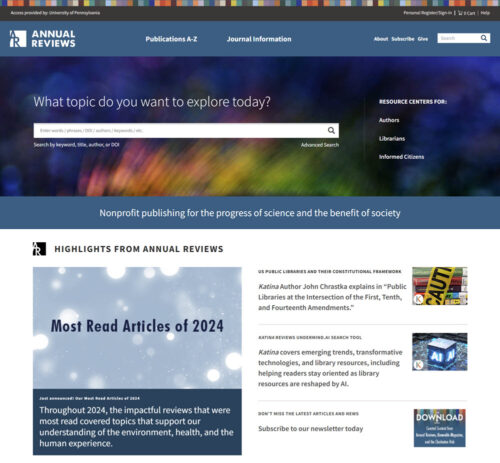
Annual Reviews, Oxford Bibliographies, and ProQuest Dissertations & Theses are invaluable for helping researchers build literature reviews. They provide expert summaries of existing research, identify foundational and influential sources, and help researchers discover key themes, debates, and gaps in the scholarly literature.
The Annual Reviews are peer-reviewed academic journals that publish comprehensive and critical literature review articles in many academic disciplines. Each year, a new volume consisting of a series of review articles written by leading experts in the field is released, providing overviews of the most important and influential research and scholarship in various disciplines.
Although the Annual Reviews does not offer dedicated reviews for communication, education, geography, or international relations, it does include bibliographies covering a variety of topics related to each discipline.
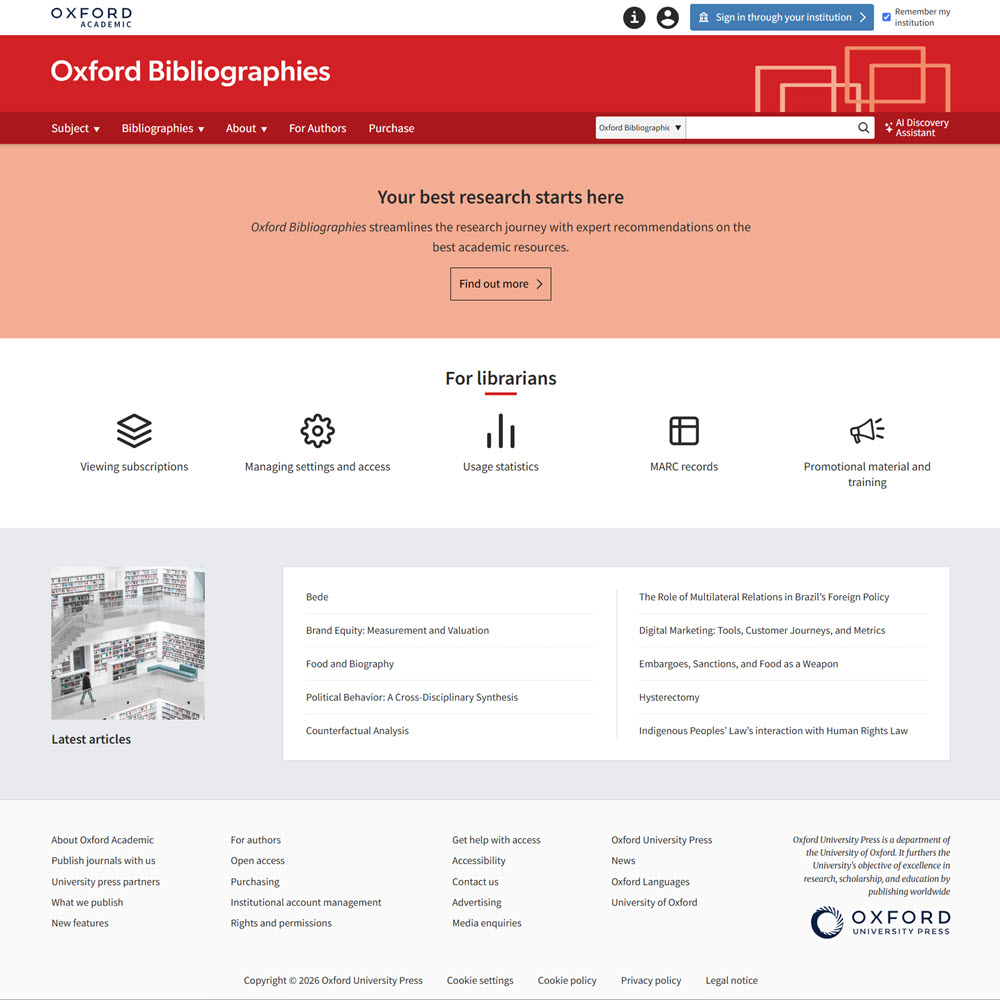
Oxford Bibliographies is a leading scholarly source for expert-curated bibliographies, providing scholarly bibliographies in most social science disciplines, including anthropology, communication, criminology, economics, international relations, political science, psychology, and sociology. Each bibliography provides a list of authoritative books, journal articles, websites, and other materials, all organized by academic scholars.
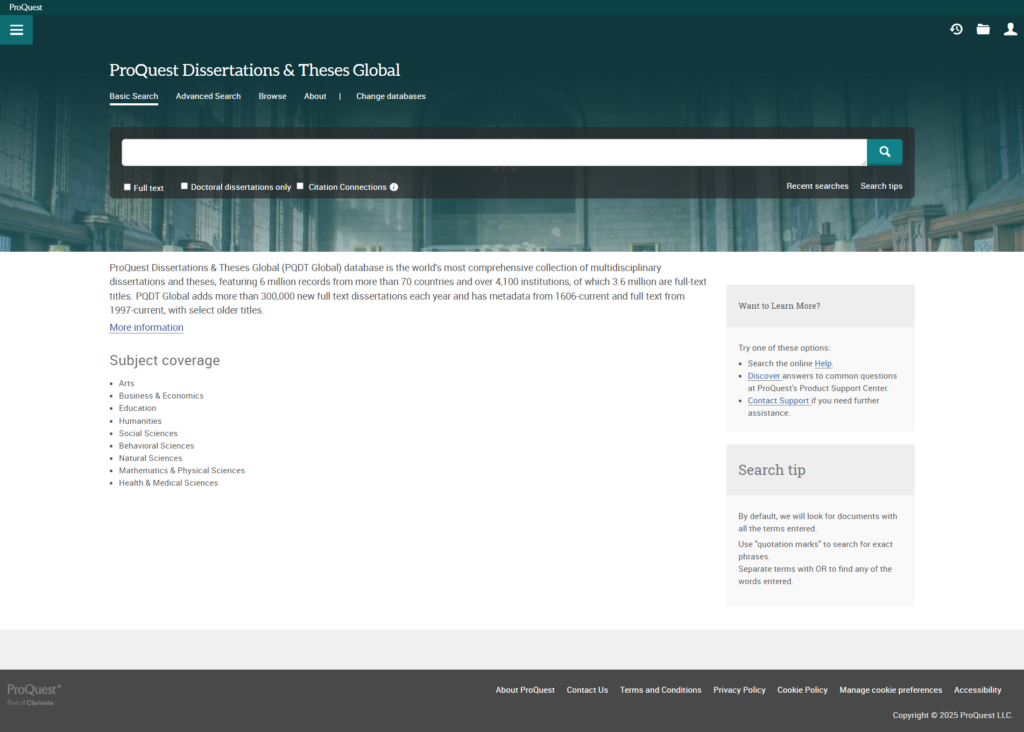
When searching for literature reviews, don’t overlook dissertations found in ProQuest Dissertations & Theses. Doctoral students are typically required to write extensive literature reviews. Each review will examine major debates, theories, methods, and key publications related to their research topic, which can help you identify important authors, major studies, useful keywords, and gaps in the existing research.
Academic Text Resources
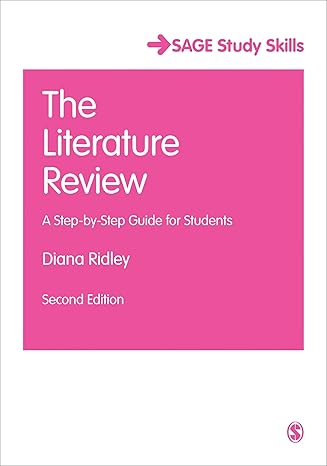
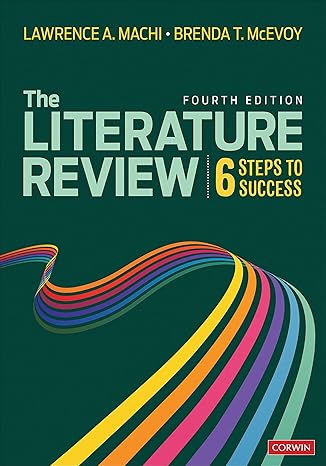
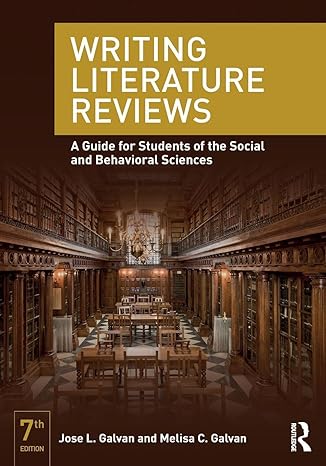
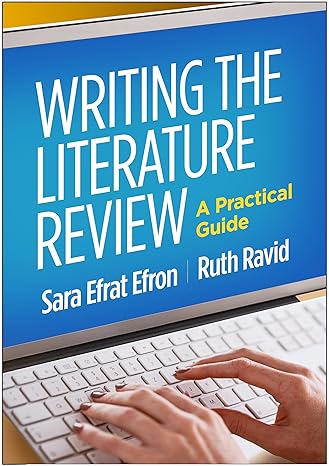
Several high-quality texts can help you write a strong literature review. They provide guidance on how to structure your literature review and critically analyze the articles you read.
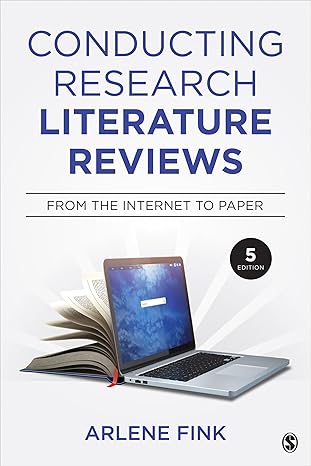
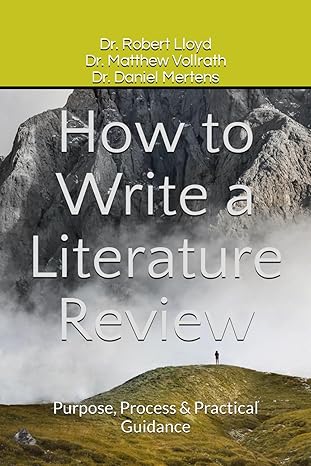
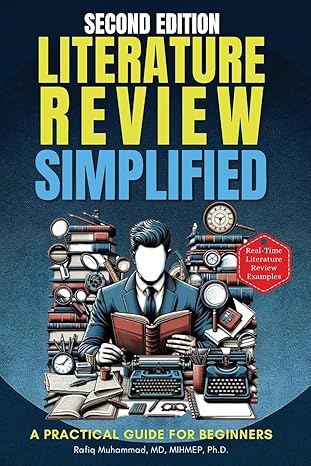
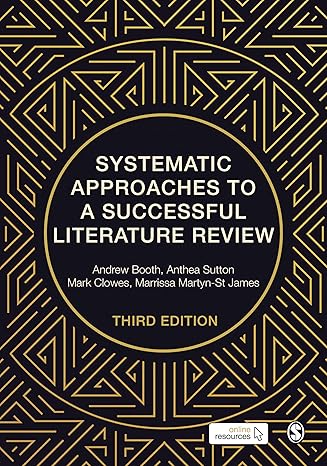
Online Writing Guides
- Writing a Literature Review (Owl Purdue)– Produced by the Purdue University OWL (Online Writing Lab), it provides comprehensive writing resources, including guidance on writing a literature review.
- The Guide to Literature Reviews (AtlasTi) – provides a practical, step-by-step introduction to planning, conducting, and writing literature reviews. It explains different review methods, research strategies, and best practices for organizing and synthesizing scholarly sources.
General Databases
Academic libraries subscribe to a wide range of research databases. EBSCO and ProQuest are the largest and most widely used subscription-based academic research databases. Most colleges and universities offer access to one or both platforms which provide multiple subject-specific databases. Although each has unique features, they share several key characteristics:
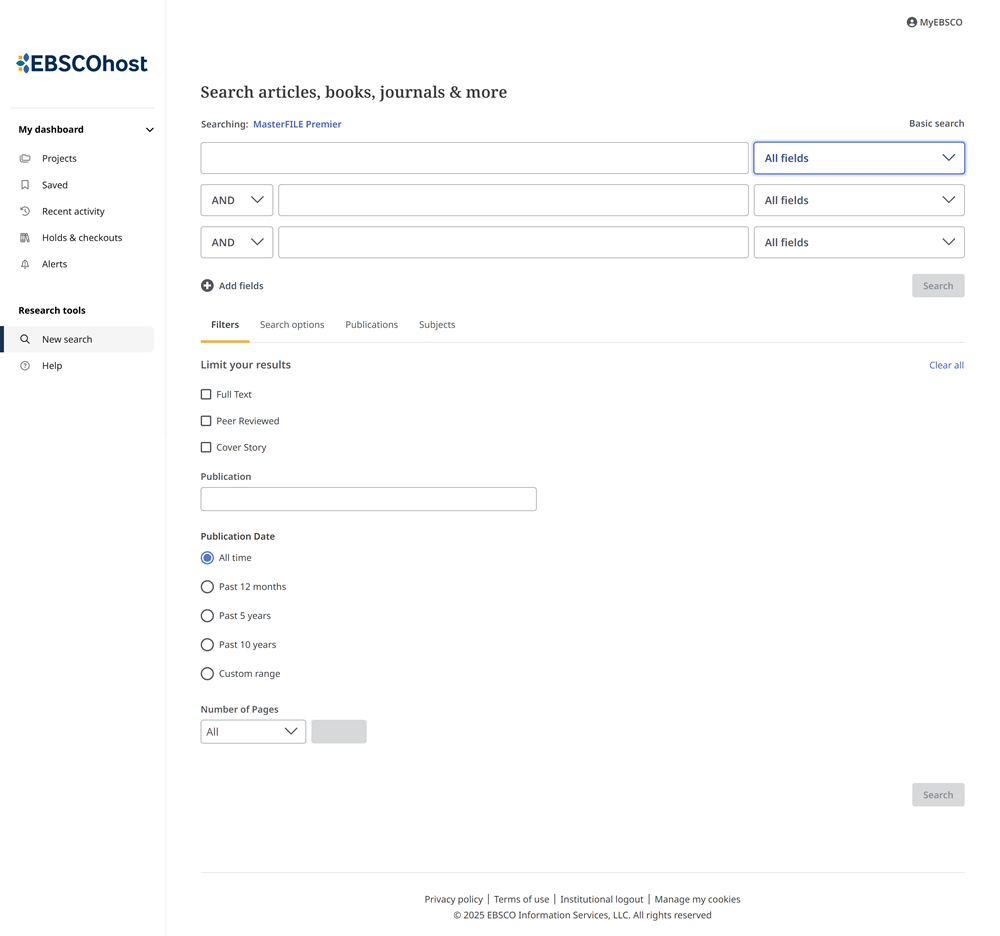
EBSCO is a major research database platform that allows users to search multiple EBSCO databases simultaneously. The difference between EBSCOhost and Academic Search is that Academic Search can be searched as part of the EBSCOhost platform or searched separately if your institution has a subscription. To check if your institution subscribes to EBSCOhost, use EBSCO’s Find your institution page.
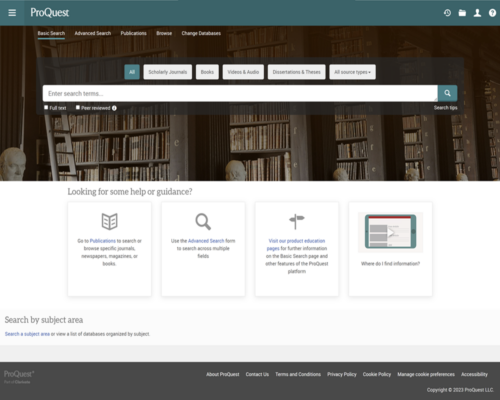
ProQuest is a major database vendor and platform that provides access to hundreds of database collections. The ProQuest platform provides a multidisciplinary search with access to scholarly ebooks, journals, video and audio, newspapers, and more, all searchable simultaneously. ProQuest is unique in providing dissertations and theses, historical newspapers, and other primary sources.
Scholarly Databases
Scholarly research databases provide peer-reviewed academic journal articles, book reviews, and other scholarly resources authored by scholars, researchers, or academics who are experts in their fields.
Unlike magazines, which focus on current events and general-interest stories, articles in scholarly journals undergo rigorous peer review before publication. The following is a list of the most important multidisciplinary scholarly research databases.
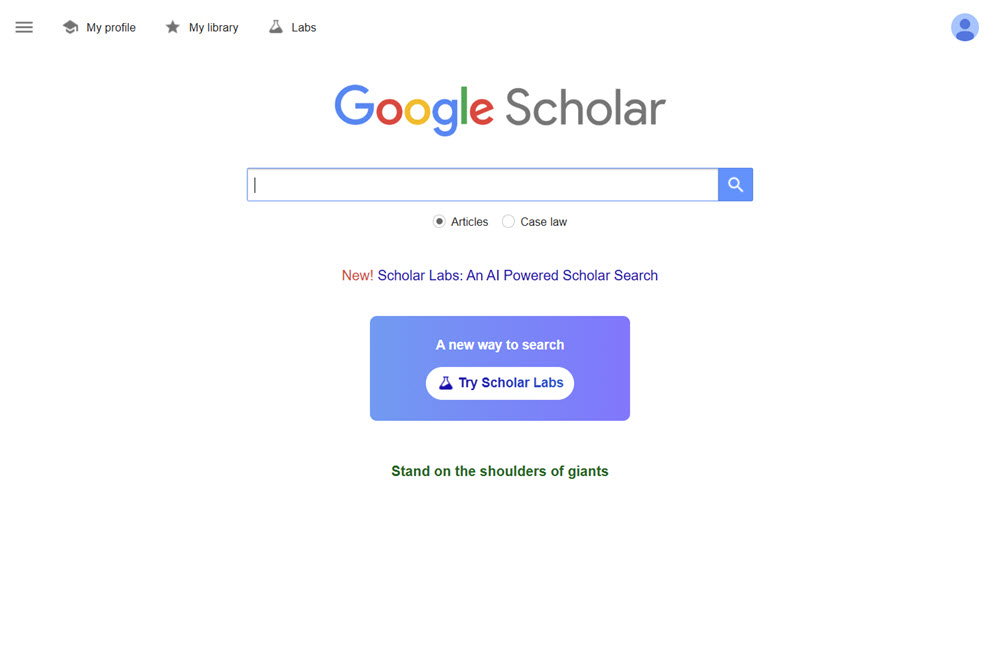
Google Scholar is a free academic search engine that helps researchers and students find scholarly literature across disciplines. It indexes journal articles, books, conference papers, theses, patents, and other resources from academic publishers, universities, and professional organizations.
- Unlike subscription databases, which publish lists of journals in their collections, Google Scholar does not provide a list of the journals, books, repositories, or conference proceedings it indexes.
- General databases such as EBSCO and ProQuest allow you to limit your results to peer-reviewed articles only. Google Scholar does not filter results for peer-reviewed articles.
- When off your school’s network, you must enable your institution’s Google Scholar library links (review process) to see full-text articles available in your institution. If Library Links are not enabled, you’ll only see paywalls, publisher links, and what’s available open-access in the public domain.
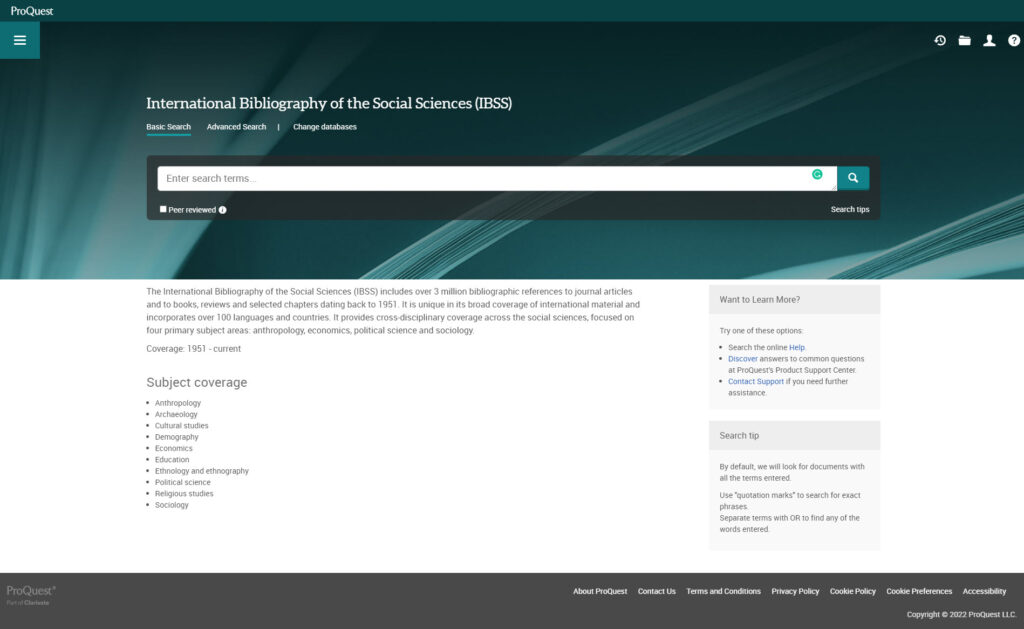
The International Bibliography of the Social Sciences (IBSS), compiled by the British Library of Political and Economic Science at the London School of Economics, provides access to a vast collection of scholarly literature in the social sciences. Covering multiple disciplines, IBSS includes references to journal articles, books, newspapers, and dissertations, with records dating back to 1951.
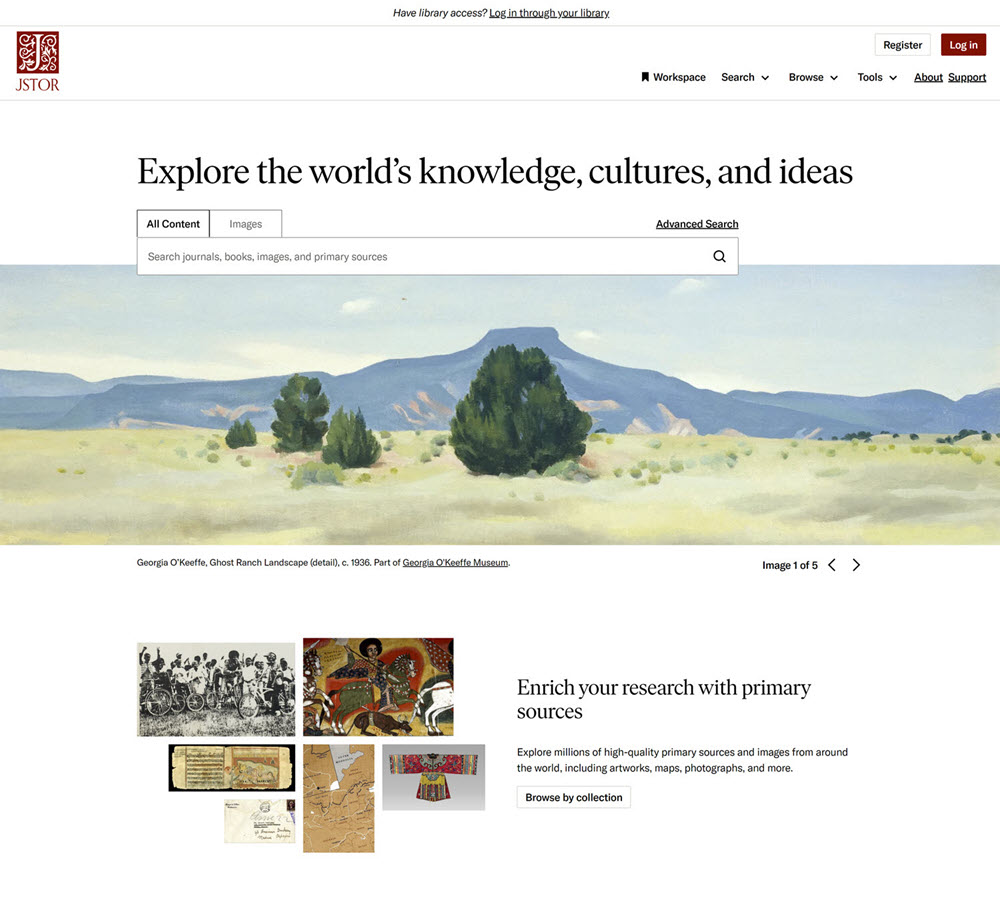
JSTOR is an important scholarly research database for the humanities, social sciences, and sciences. It provides the full text of articles from thousands of influential academic journals. In addition to journal articles, users can access eBooks, book chapters, images, and primary source documents. JSTOR also provides an AI research tool that provides key points and arguments of articles.
JSTOR contains the full text of more than 2,000 journals from 1,000 publishers, with publication dates ranging from 1665 to 2015 (for certain titles). JSTOR also provides:
- Free access to Early Journal Content published before the last 95 years in the United States or before the last 143 years if initially published internationally.
- A collection of nearly 150 open-access journals covering the humanities, social sciences, and sciences.
- JSTOR allows anyone to register for a free personal JSTOR account and provides access to 100 free monthly articles.
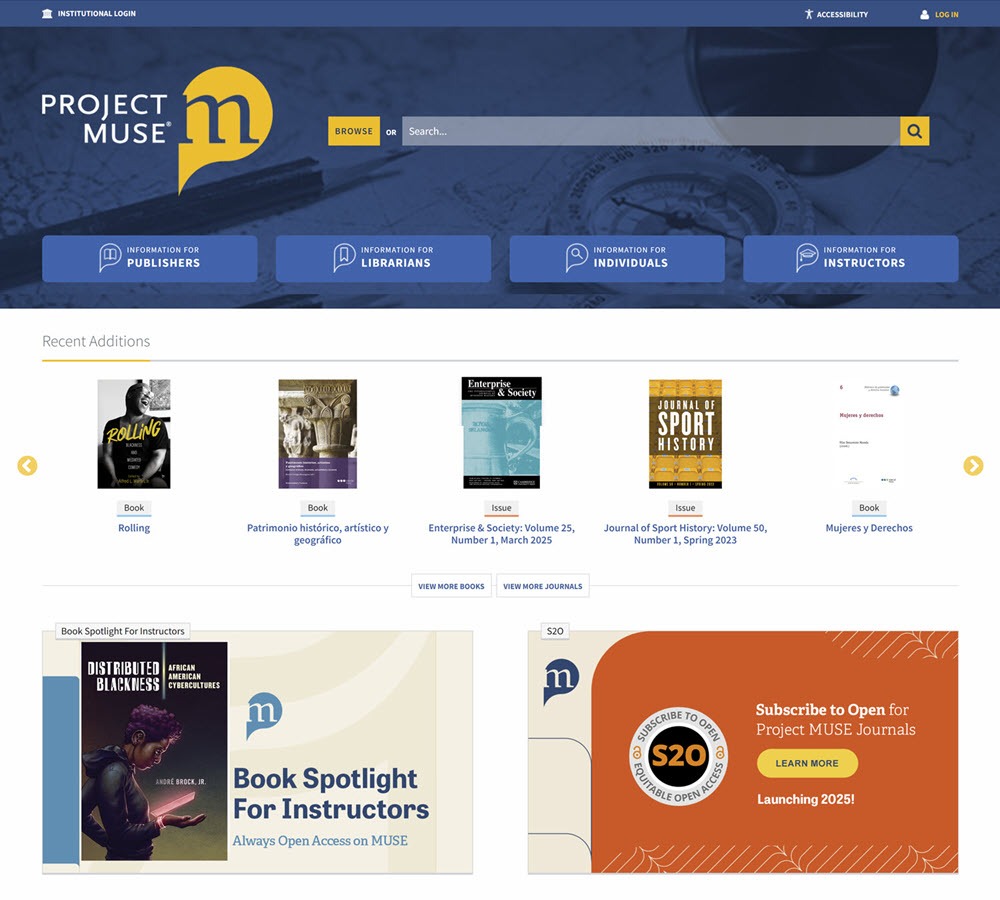
Project MUSE offers online access to a vast collection of scholarly journals, books, and academic resources in the humanities, social sciences, and arts. As a leading provider of digital humanities content, it features high-quality, peer-reviewed publications from prestigious university presses, scholarly societies, and academic publishers.
ProQuest Dissertations & Theses is a database of dissertations and theses from universities worldwide. It provides access to millions of full-text works across many disciplines, including the social sciences, humanities, sciences, and business. Each dissertation includes an abstract or summary that provides a concise overview of the research, its methodology, and key findings.
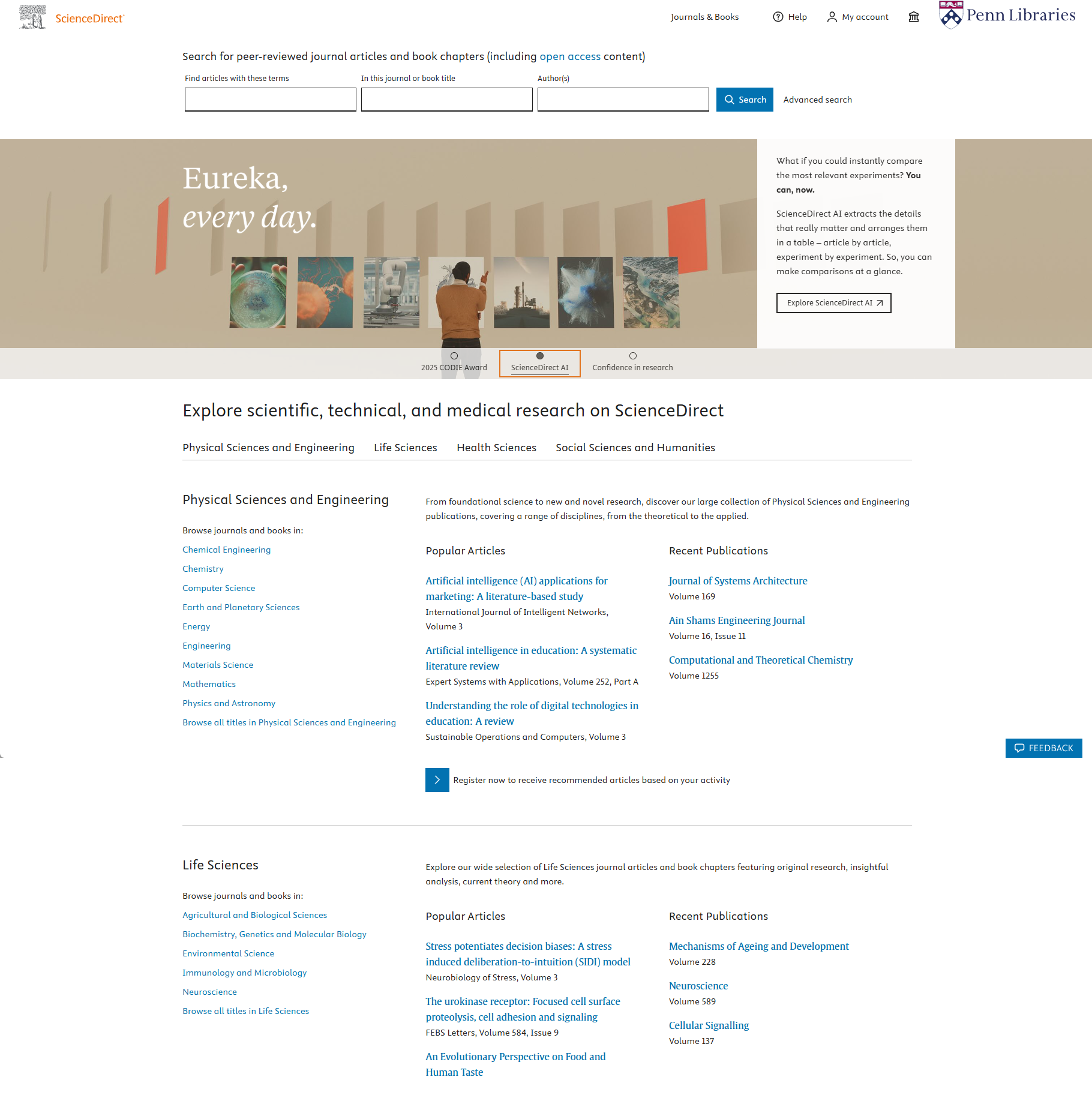
ScienceDirect is a leading full-text scholarly scientific database that provides journal articles and book chapters from more than 2,500 peer-reviewed journals and more than 11,000 books. It covers over 24 major subjects in the physical sciences and engineering, life sciences, health sciences, social sciences, and the humanities.
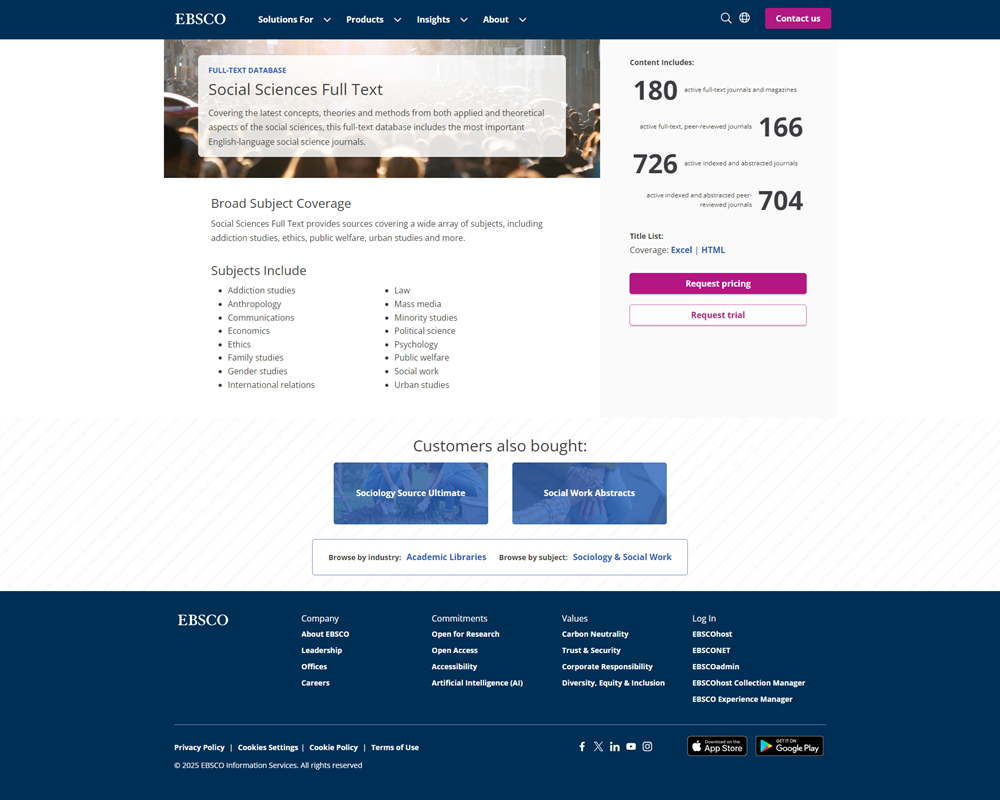
Social Sciences Full Text provides access to a wide range of scholarly literature in the social sciences. It covers many disciplines, including sociology, psychology, international relations, political science, anthropology, economics, and education.
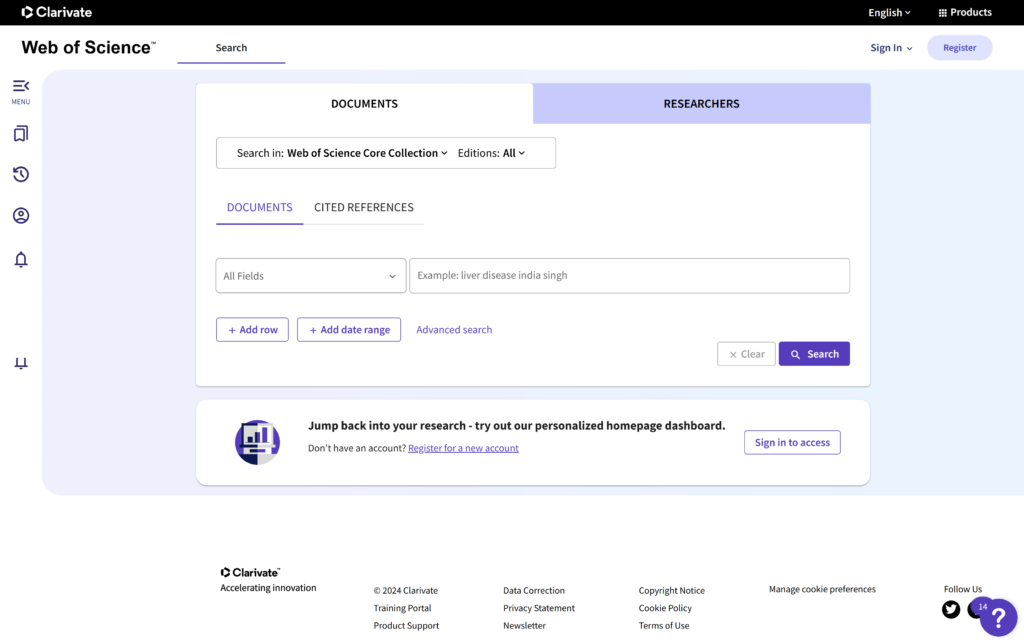
Web of Science is a comprehensive, multidisciplinary research and citation index that provides access to a wide range of scientific, technical, social science, and humanities research. It maintains rigorous criteria for the journals and publications it indexes, ensuring that only high-quality, peer-reviewed content is included. Web of Science includes 98 million papers dating back to 1900.
The icons next to each resource indicate its access requirements.
Open source/ Free
Subscription required

Researchers often update literature reviews throughout a project because new studies published during the research process can change the understanding of a topic.