
Political Subfields
Political science is a broad discipline organized into several subfields. Most universities offer the following courses, providing students with a diverse understanding of the discipline and the different methods, theories, and types of evidence political scientists use.
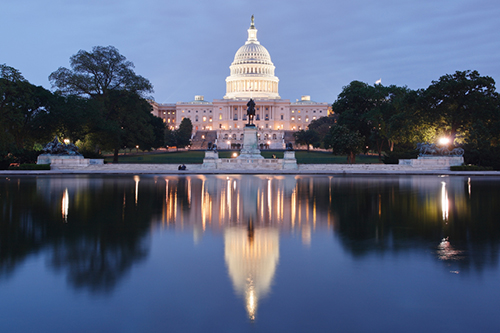
American Government
The study of how the U.S. political system functions, including Congress, the Executive, and the Judiciary.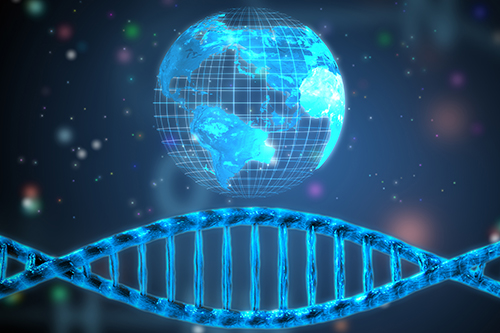
Biopolitics
The study of the intersection of politics and biology, examining how biological factors influence political decisions.
Comparative Politics
The systematic study and comparison of political institutions and the electoral and government systems of the world.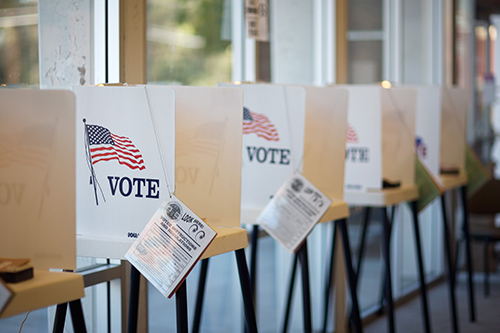
Elections and Voting
The study of how people choose leaders, make decisions, and how different voting systems affect these processes.
Environmental Politics
The study of how governments, communities, organizations, and industries make decisions about the environment.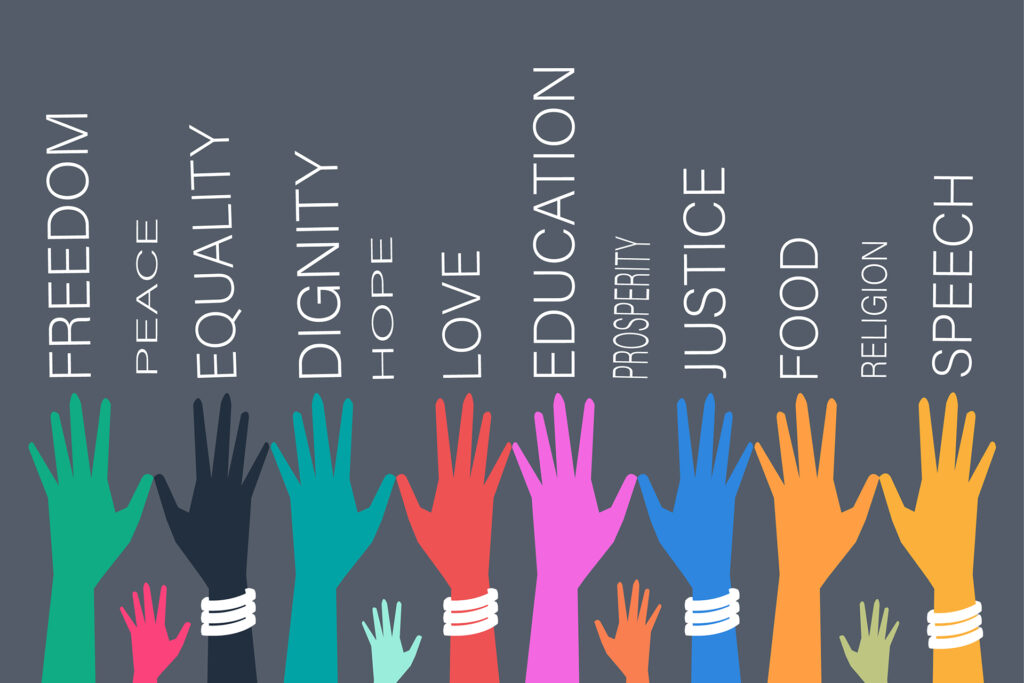
Human Rights
The study of the fundamental rights and protections owed to all people, and how laws and institutions safeguard those rights.
Political Communication
The study of how information is shared and exchanged between political actors, the media, and the public.
Political Data
The collecting and analyzing of data and information related to political activities to understand and predict political behavior.
Political Economy
The study of how economic production connects with, and is shaped by, social and political forces.
Political Psychology
The study of how political events and people's thoughts, emotions, and behaviors influence political decisions.
Political Theory
The study of the major historical and philosophical influences on the development of political concepts and thought.
Public Policy
The study of principles, objectives, and courses of action that a government pursues in addressing societal issues.