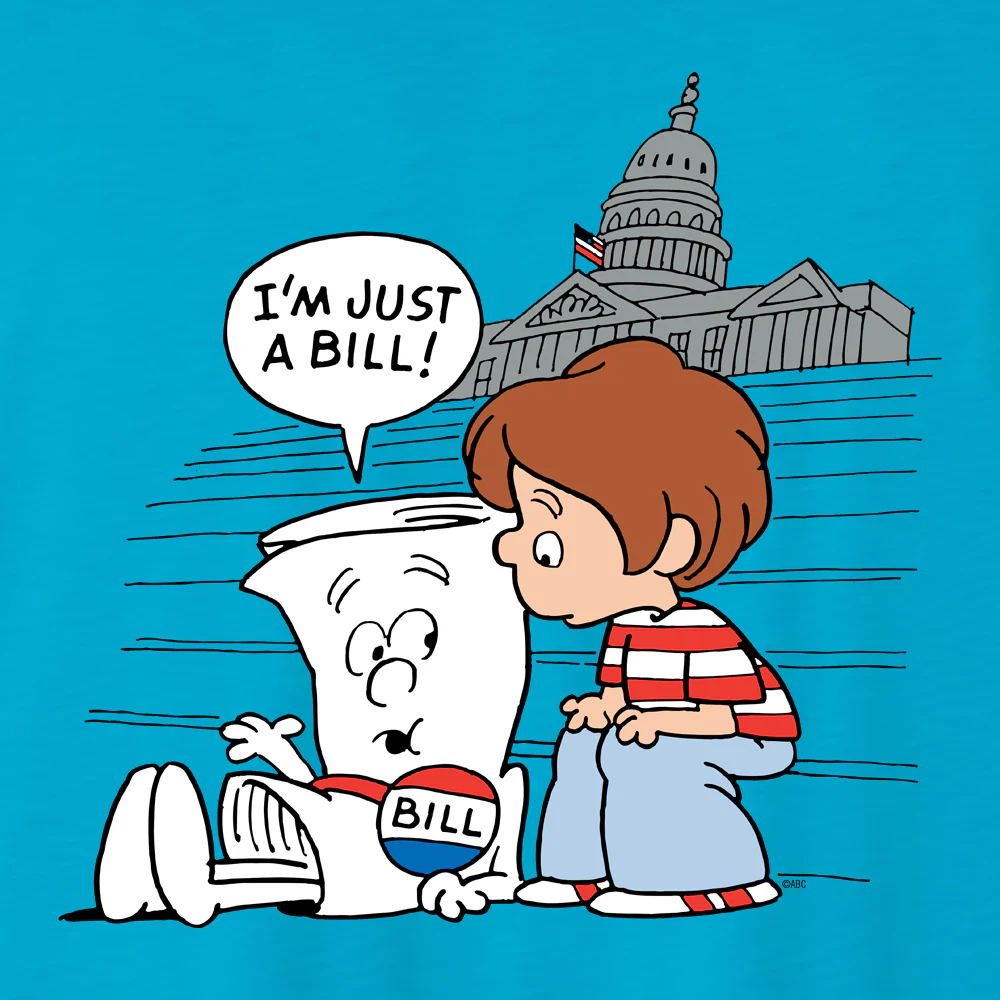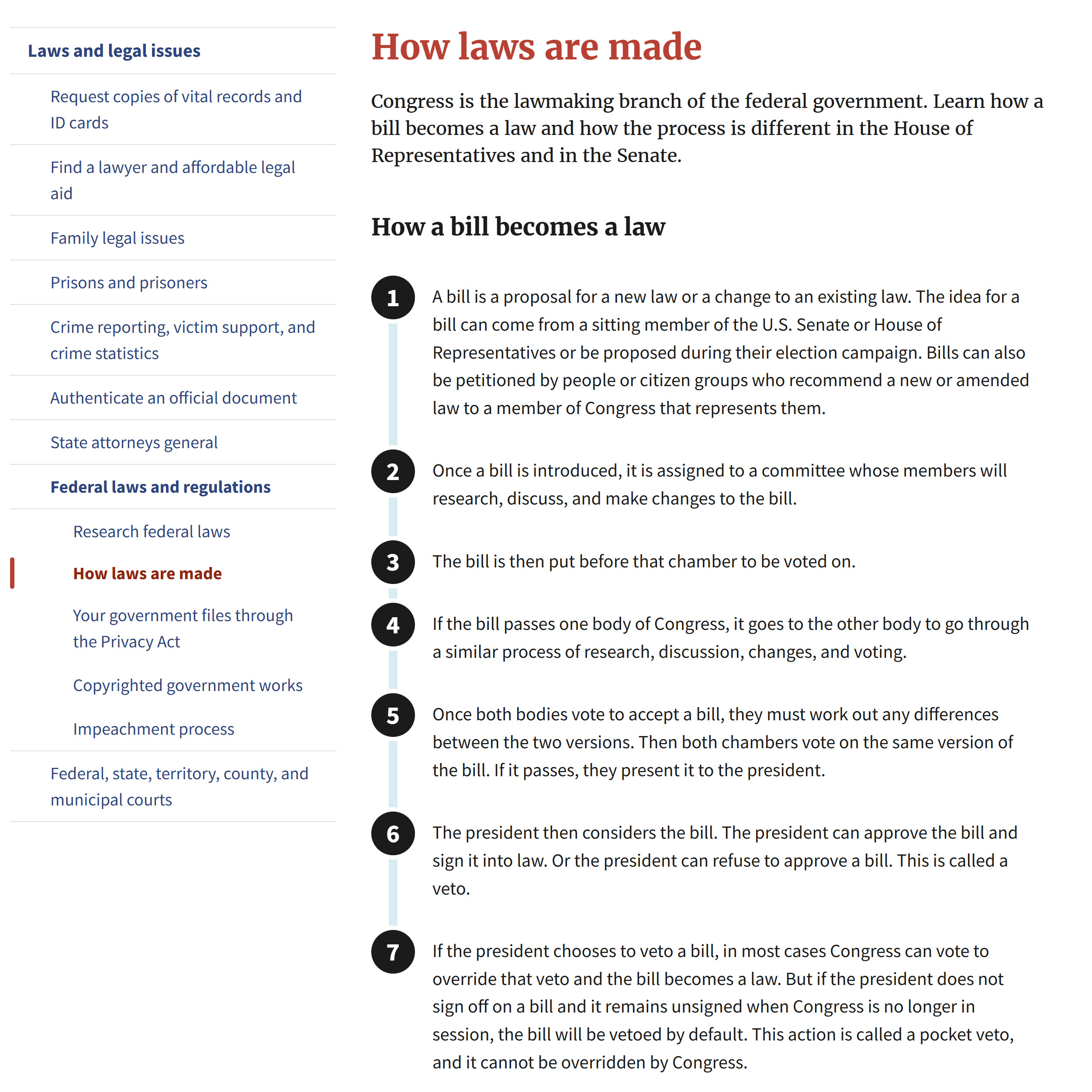

I’m Just a Bill is from the Schoolhouse Rock! series, a classic educational cartoon first aired on ABC in 1976. It explains the basics of how a bill becomes a law in the United States. This video was updated in 2021 by POLITICO to show the realistic way a bill becomes a law in the modern Congress.
Legislative Documents
Lorem ipsum dolor sit amet, consectetur adipiscing elit, sed do eiusmod tempor incididunt ut labore et dolore magna aliqua.

The Legislative Process
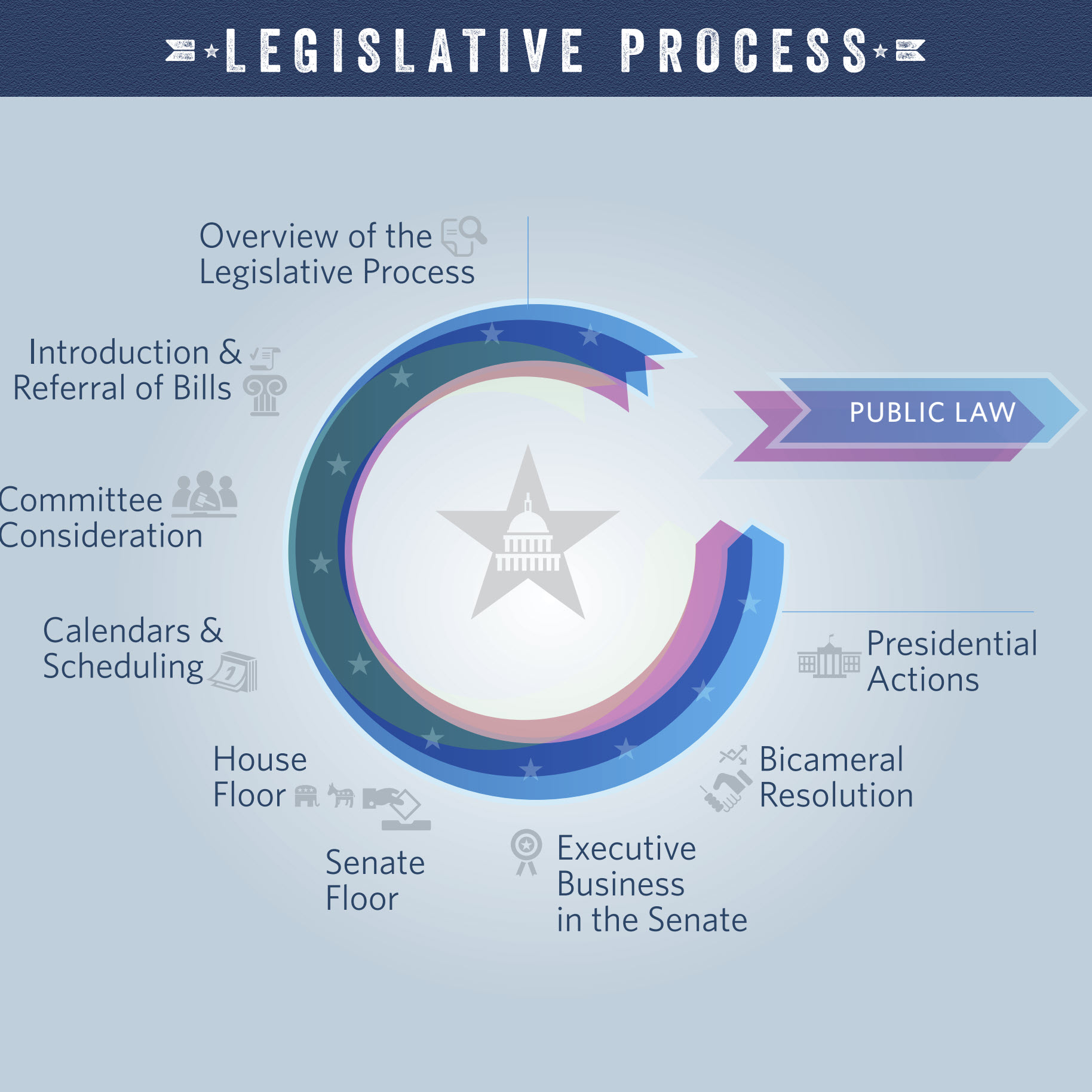
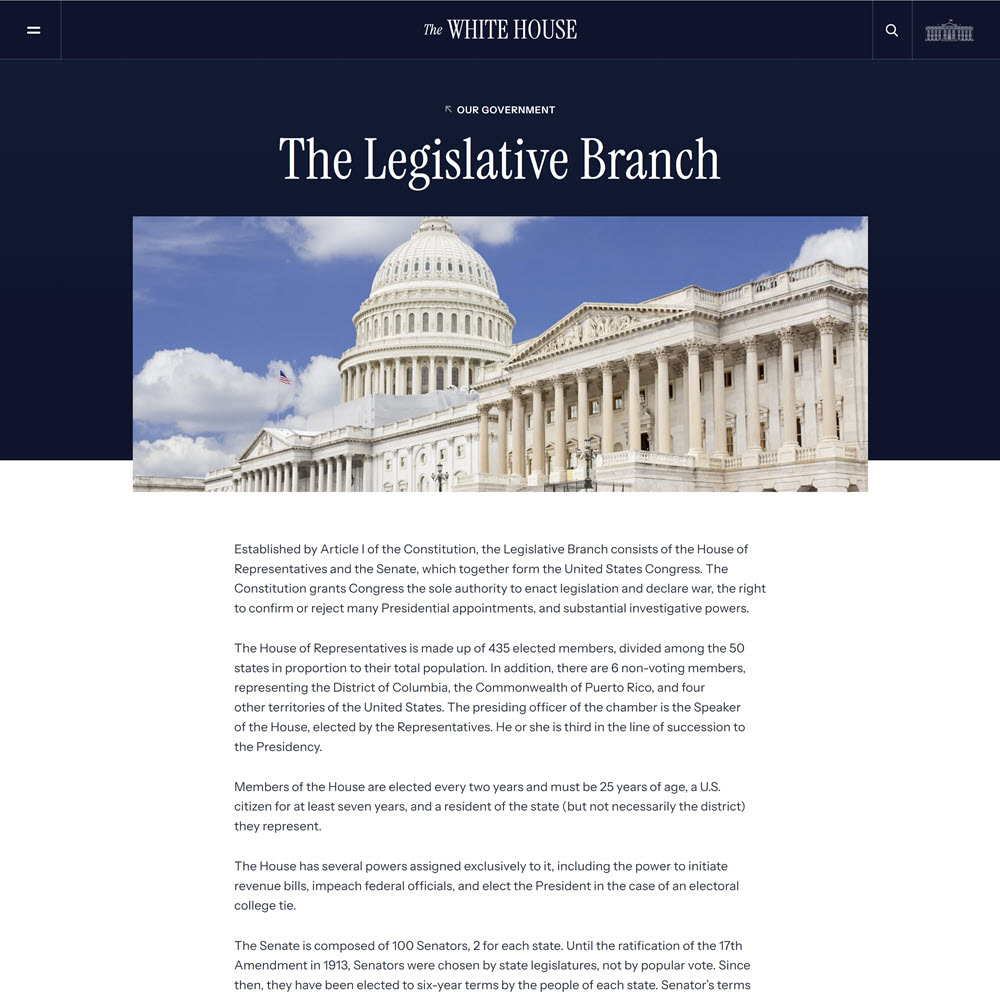
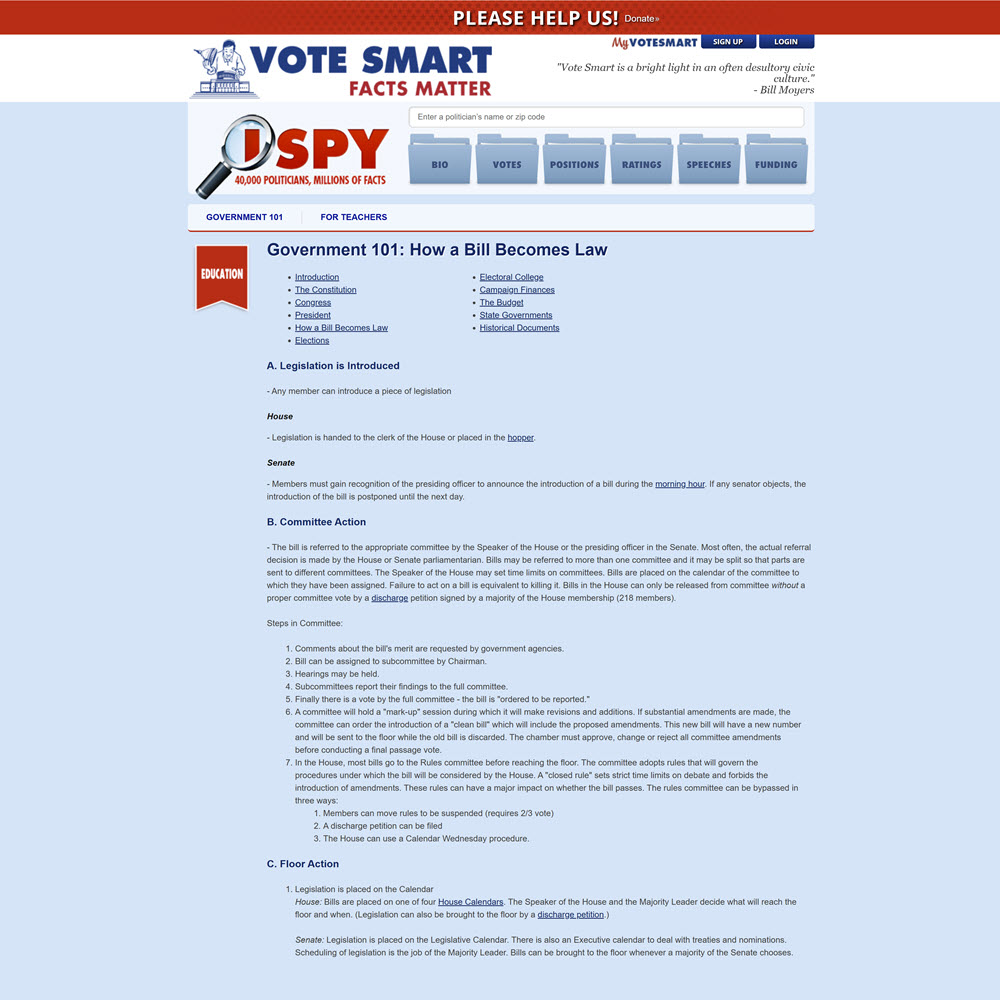
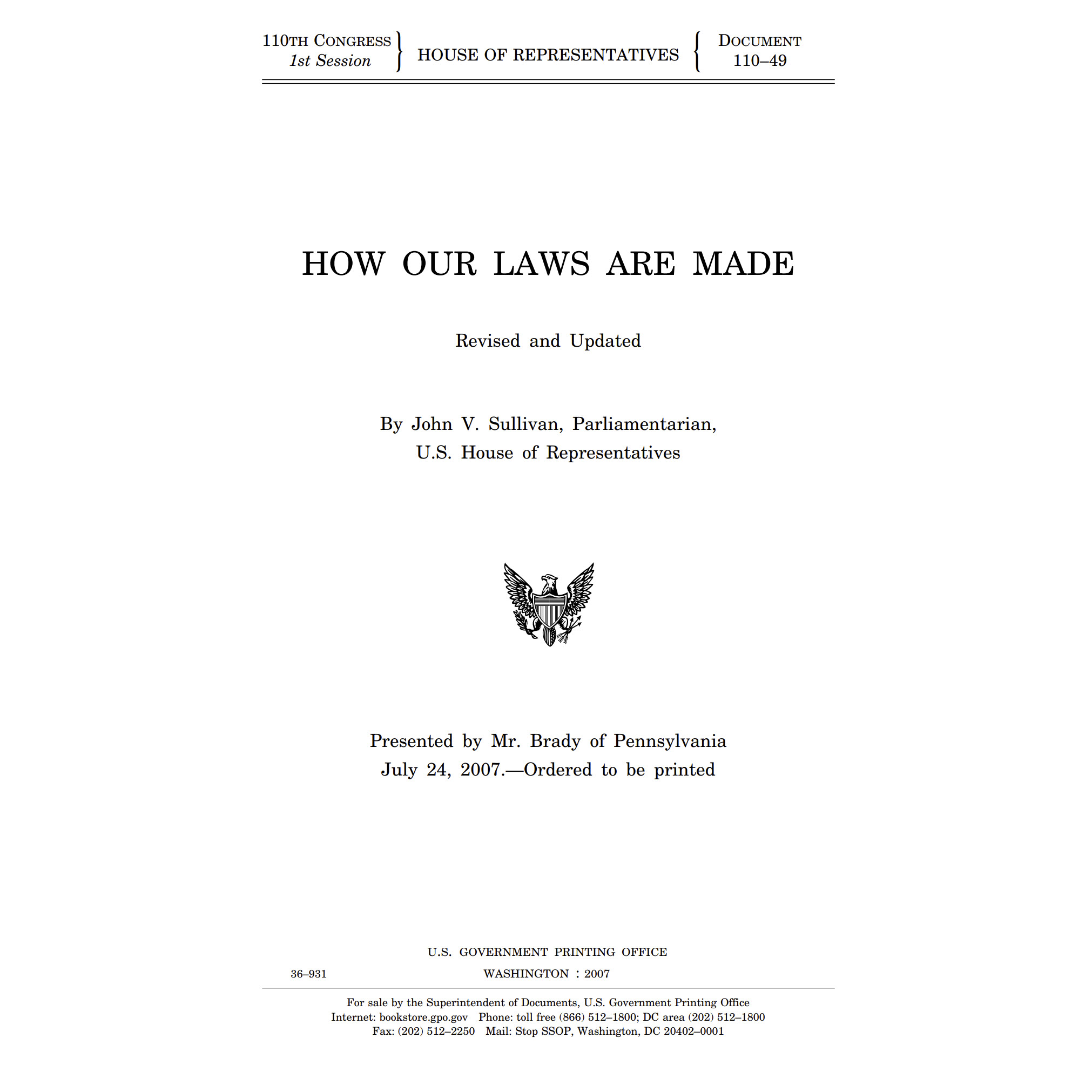
If you’re unfamiliar with how a bill becomes law, there are several helpful resources that explain the process. Understanding the basic steps of lawmaking will help you identify the most relevant documents for your research.
Bills and Resolutions
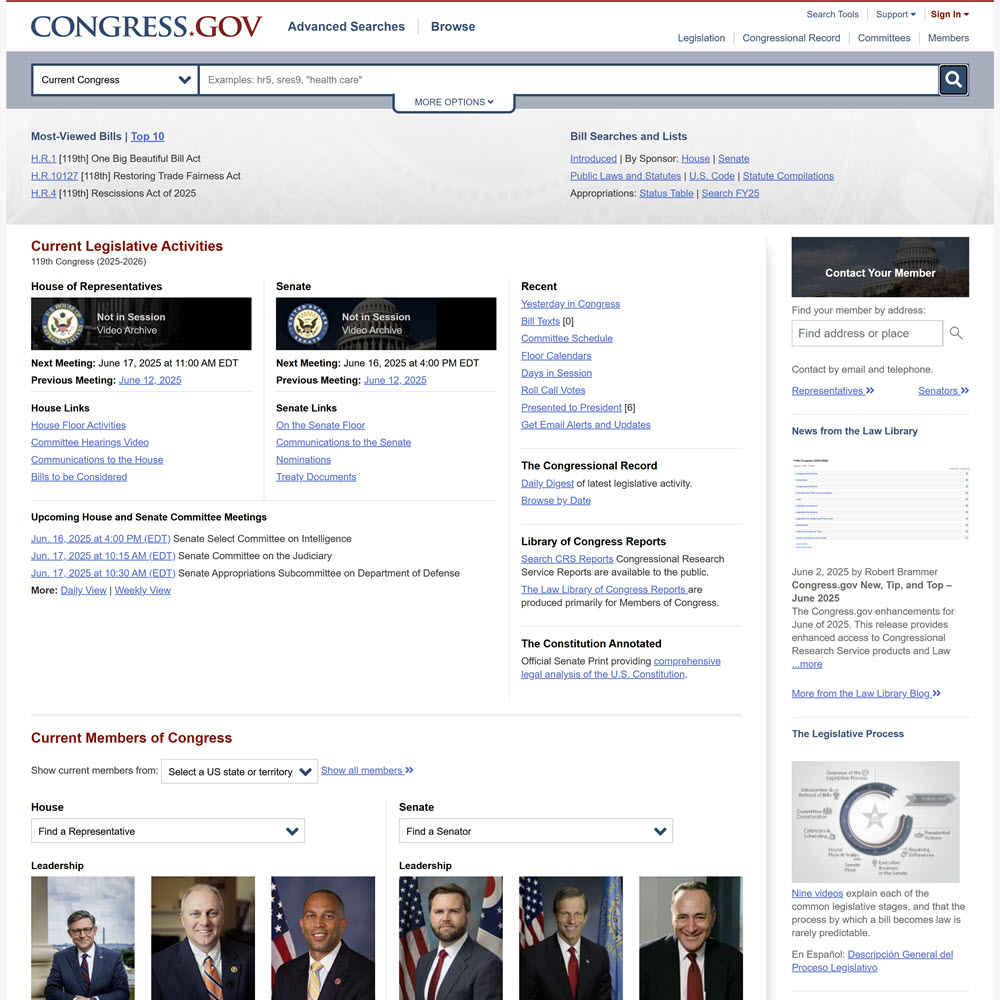
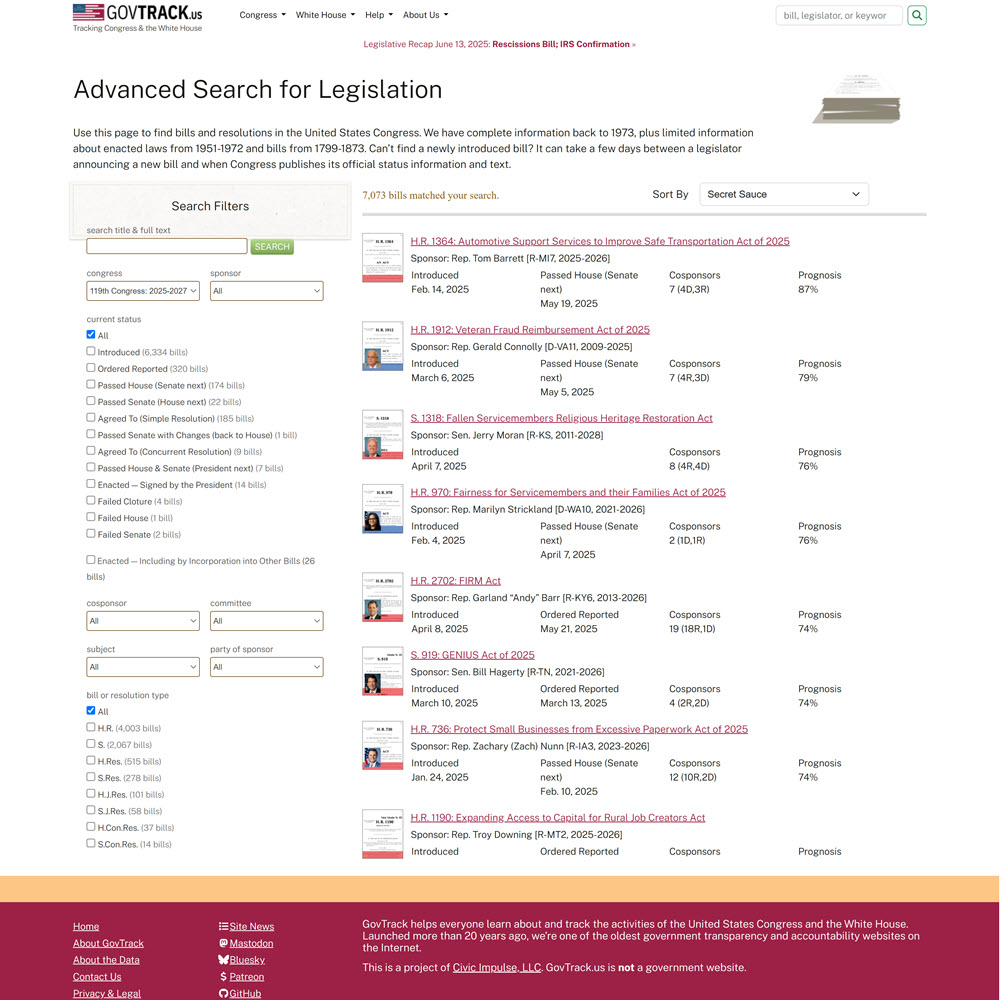
The four principal forms of congressional legislation are bills, joint resolutions, concurrent resolutions, and simple resolutions. Once introduced, each measure is assigned a legislative number, printed, and referred to a committee for consideration. For a detailed explanation of each type of legislation, see the Bills & Resolutions section of House.gov. The resources below are among the most comprehensive sources for locating the full text of congressional bills and resolutions.
[sp_easyaccordion id=”12528″]
Committee Hearings
After a bill is referred to a committee, the committee may schedule public hearings to gather testimony from witnesses and experts. Most significant legislative proposals receive hearings, although not every hearing is published. Published hearings typically become available anywhere from two months to two years after they are held. Congressional hearings generally fall into four categories: legislative, oversight, investigative, and presidential nomination hearings. Transcripts of most published hearings are available, and an increasing number of hearings can also be viewed through archived video recordings.
[sp_easyaccordion id=”26241″]
Committee Reports
When a U.S. House or Senate committee votes to report a bill, it produces a committee report. Each report describes the bill and the committee's actions on it, summarizes findings from hearings, and records the outcome of the committee's deliberations. The following resources provide access to the full text of U.S. House or Senate committee reports.
House Debates
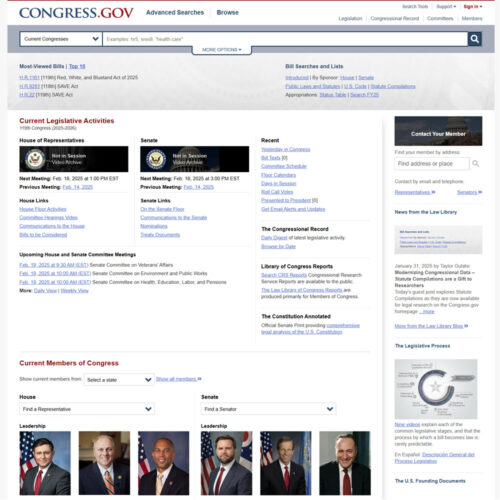
After a bill is reported out of Committee, it proceeds to the floor of the House or Senate for consideration and debate. During the debates, members argue for and against the proposed legislation. All debates on the bill are read into the Congressional Record, which is the official record of the proceedings, debates, and activities of Congress. The Congressional Record also contains inserted materials, communications from the President and executive agencies, memorials, and petitions, and the bill's full text, the text of any amendments, and the record of votes taken. The following resources provide access to the Congressional Record.
Congressional Research Service (CRS) Reports
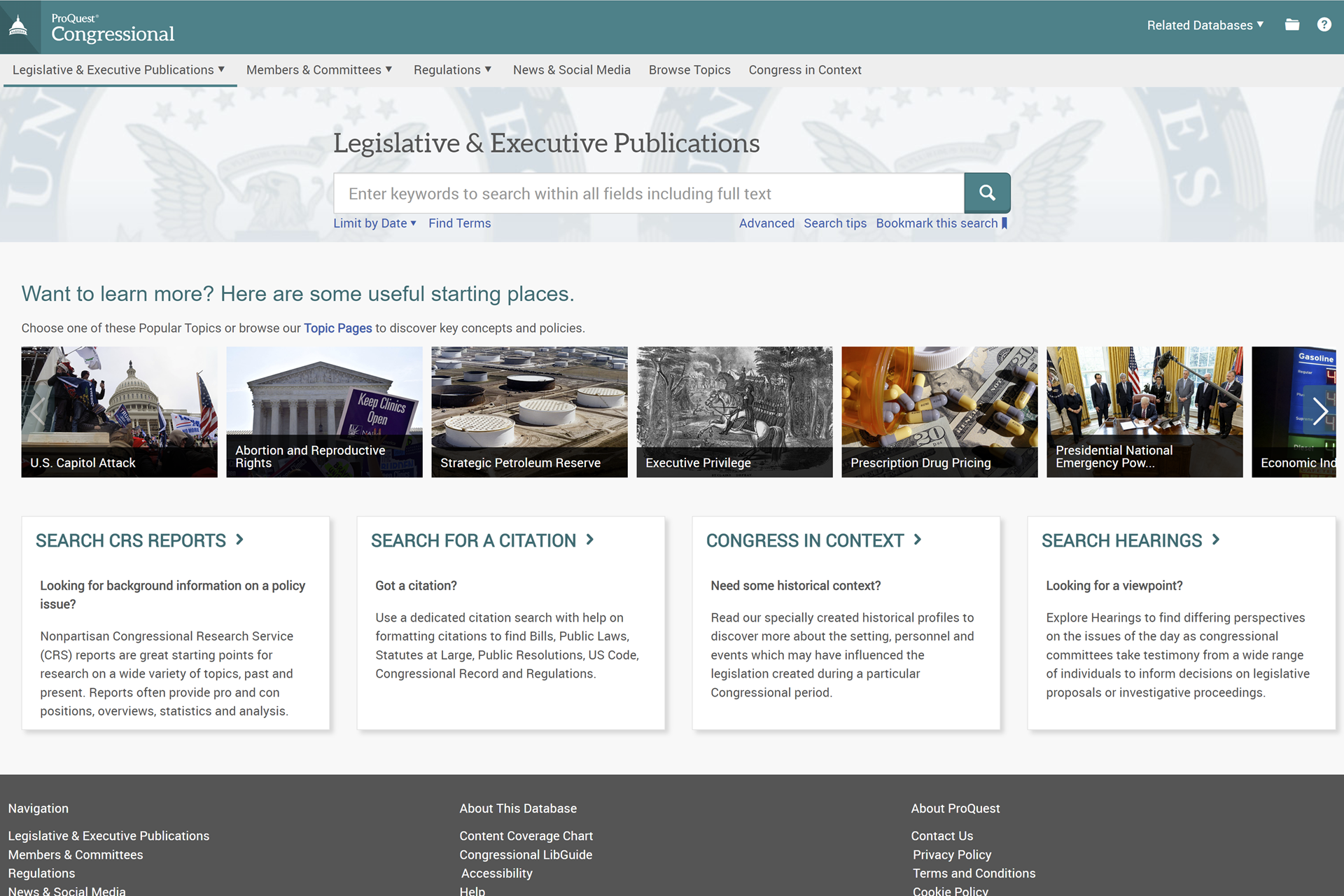
The Congressional Research Service (CRS) is Congress's own nonpartisan research agency. Its analysts support Senators and Representatives throughout the legislative process by preparing reports that offer objective background information and in-depth analysis of public policy issues. These reports cover nearly every subject Congress addresses such as law, domestic and foreign policy, defense, trade, finance, natural resources, science, and technology. Because CRS reports are thoroughly documented with citations, data, tables, and charts, they are valuable resources for anyone trying to understand complex legislative and policy issues.
The icons next to each resource indicate its access requirements.
Open source/ Free
Subscription required
Lorem ipsum dolor sit amet, consectetur adipiscing elit, sed do eiusmod tempor incididunt ut labore et dolore magna aliqua. Ut enim ad minim veniam, quis nostrud exercitation ullamco laboris nisi ut aliquip ex ea commodo consequat.

Source: