Criminology
The study of the root causes of crime, criminal behavior, and society’s responses to criminal activity.

Source: iStock
Overview
This overview provides a brief introduction to criminology, the scientific study of crime. It highlights its major areas of study, related disciplines, and resources for exploring the field in greater depth.
What's criminology?
What's criminology?
Criminology is the interdisciplinary and scientific study of crime, criminal behavior, and the institutions designed to control and prevent crime as a social phenomenon. It focuses on creating and enforcing laws, the causes and consequences of criminal behavior, and society’s responses through the legal and justice systems.
Criminology examines the social conditions, individual motivations, and structural inequalities that shape patterns of crime, as well as the effectiveness and fairness of criminal justice policies.
For an in-depth description of the field of criminology, see the read the Encyclopedia Britannica article on Criminology.
What are the main subfields of criminology?
What are the main subfields of criminology?
Criminology studies cover a wide range of topical areas. However, most universities traditionally provide courses in the following subfields.
Emerging subfields of criminology include:
What other subjects are important to criminology research?
What other subjects are important to criminology research?
Criminology is an interdisciplinary discipline examining crime from many angles to understand why crime happens and how society can prevent it, respond to it, and promote justice. Criminology researchers use knowledge, theories, and methods from multiple academic fields, including anthropology, economics, law and legal studies, political science, psychology, and sociology.
Resources for criminology majors.
Resources for criminology majors.
If you’re thinking about majoring in criminology, these resources can provide useful background information and help guide your next steps. They explain what to expect from the major and the wide variety of career paths available to you.
- What to Know About Becoming a Criminology Major – U.S. News and World Reports
- Major: Criminology – Big Future/College Board
Literature Reviews in Criminology
After selecting a topic, conducting a literature review is an essential step in the research and writing process. Writing a literature review helps you:

- Understand how scholars have approached your topic
- Identify key debates and theoretical perspectives
- Recognize gaps in the existing research
- Situate your own work within the broader academic conversation.
But what are the best resources for a literature review if you are unfamiliar with the topic? The following databases are great places to start to help you locate major publications and relevant scholarship on criminology topics.
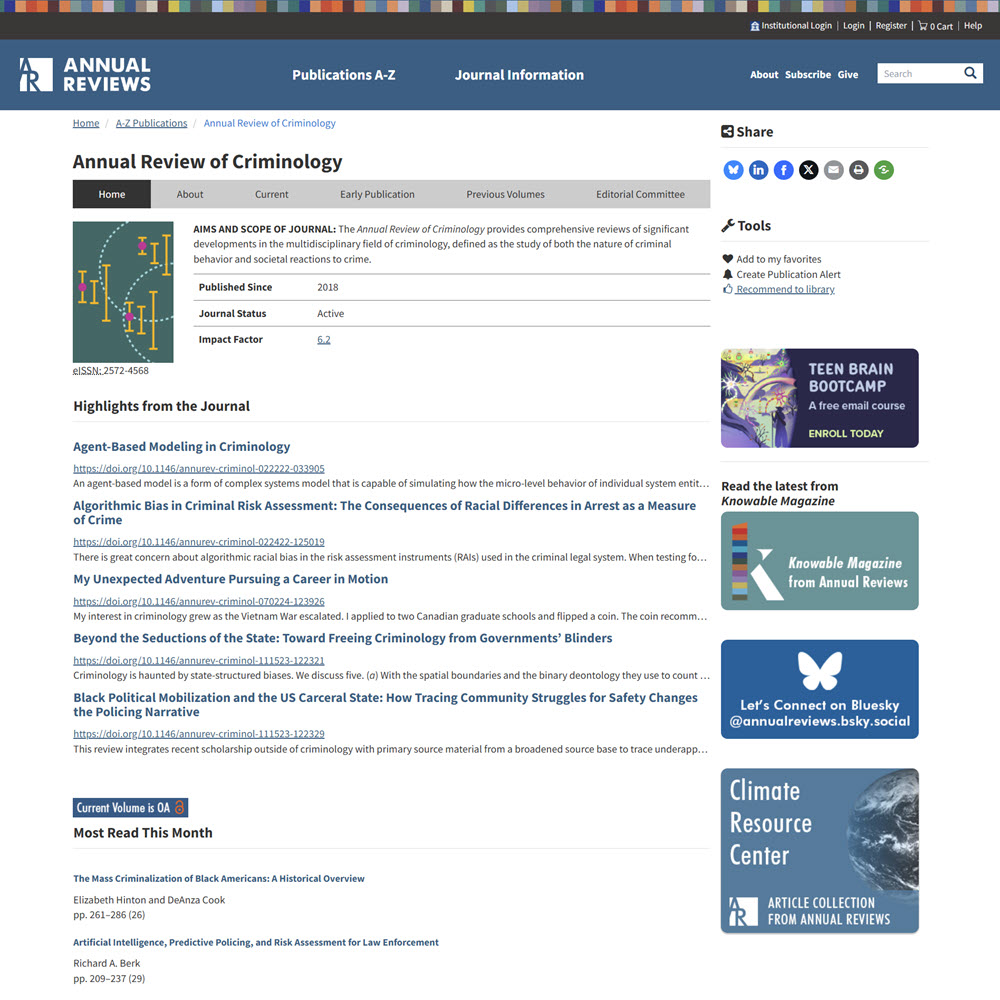
The Annual Review of Criminology is a peer-reviewed academic journal that publishes comprehensive literature review articles in criminology. Each year, a new volume is released, consisting of articles written by leading experts in the field, providing overviews of the most important and influential research and scholarship on crime, justice, and social control.
[Place Bricks Template Here]
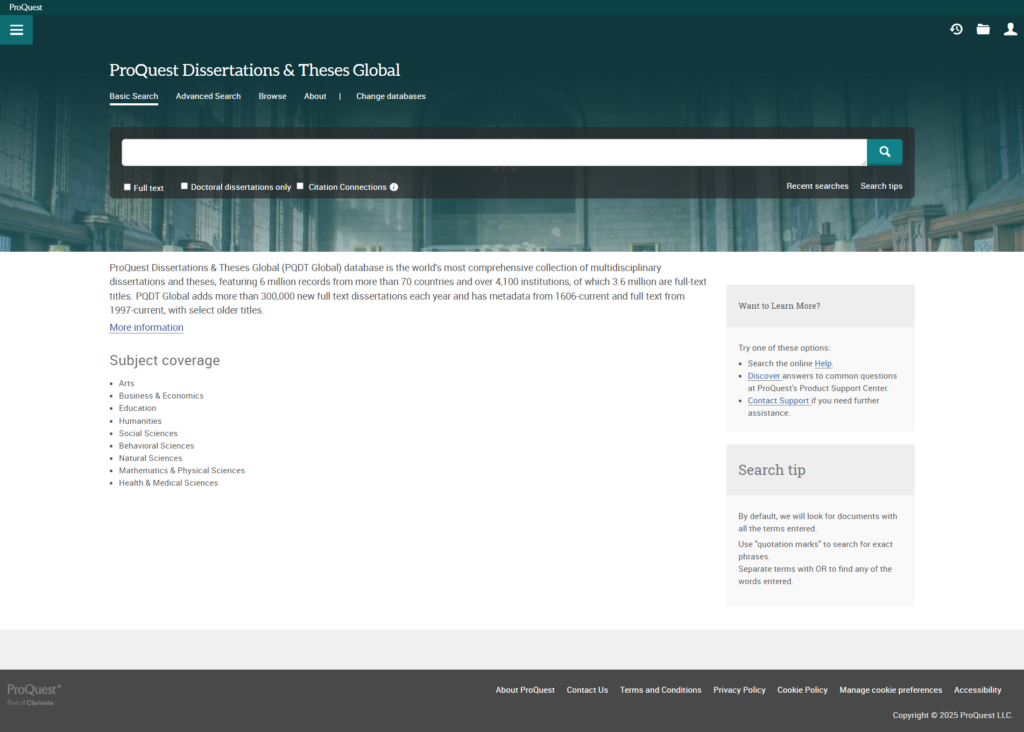
When searching for literature reviews, don’t overlook dissertations found in ProQuest Dissertations & Theses. Doctoral students are typically required to write extensive literature reviews. Each review will examine major debates, theories, methods, and key publications related to their research topic, which can help you identify important authors, major studies, useful keywords, and gaps in the existing research.
To learn more about finding resources for a literature review, see “How to Locate Resources for a Literature Review.”
Criminology Reference
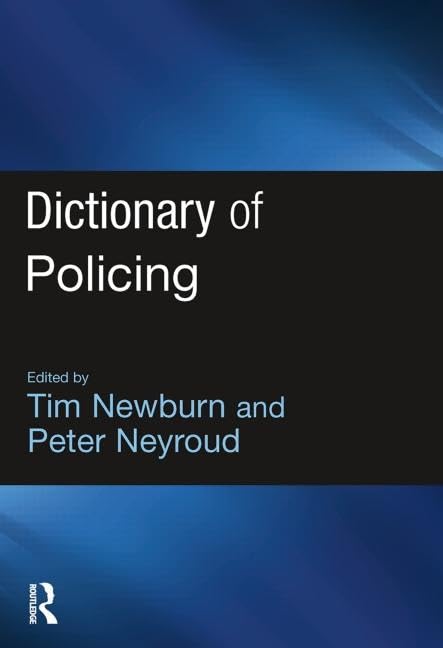
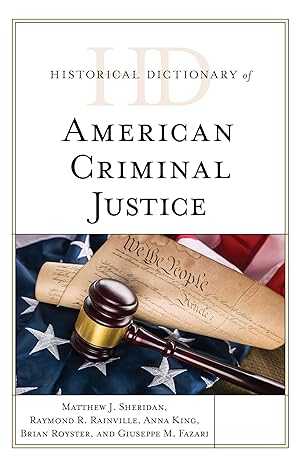
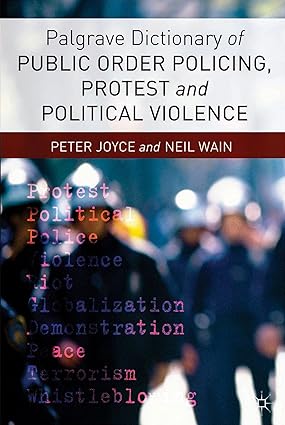
Criminology reference resources such as encyclopedias, dictionaries, and handbooks offer valuable background and context on key topics and issues in the field. The following list highlights some of the most comprehensive criminology reference works by type.
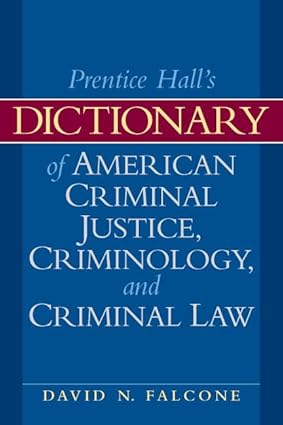
Criminology Dictionaries
Criminology Dictionaries

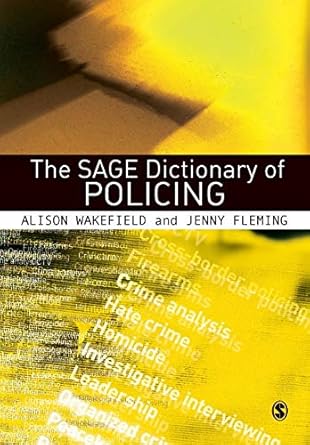


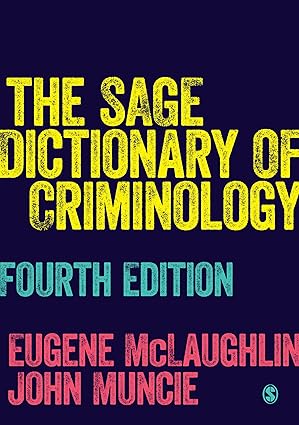
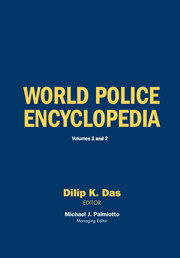
Criminology Encyclopedias
Criminology Encyclopedias
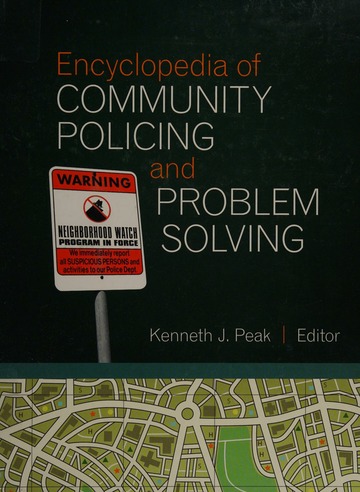
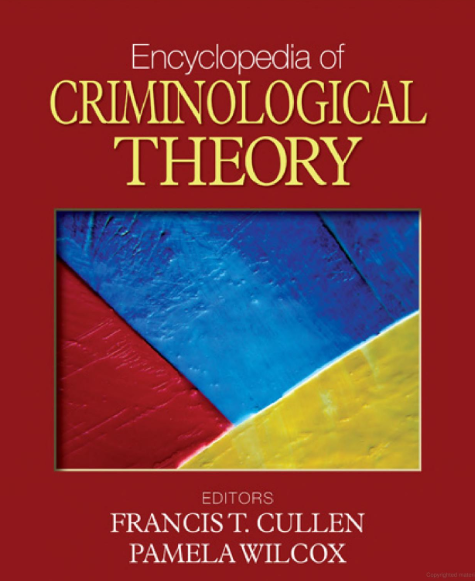
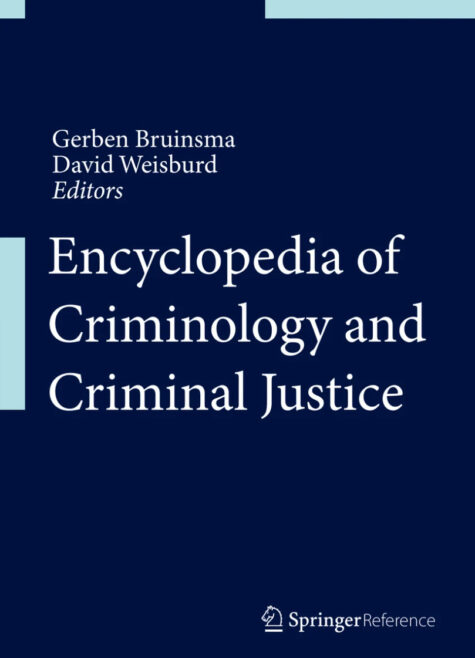
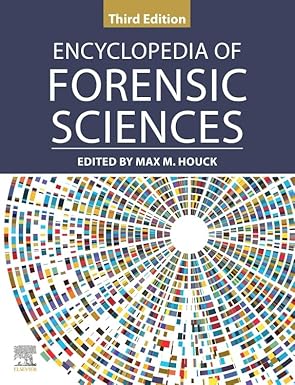

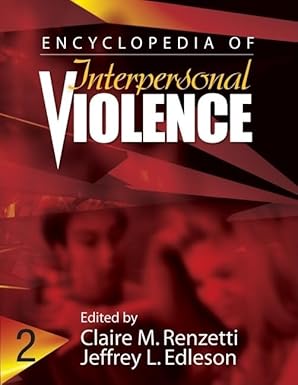
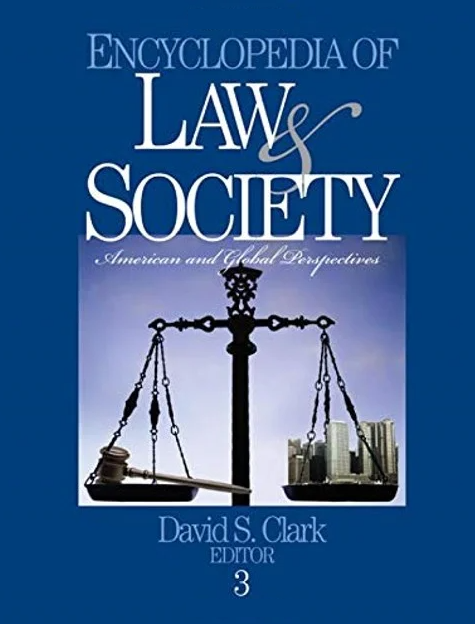
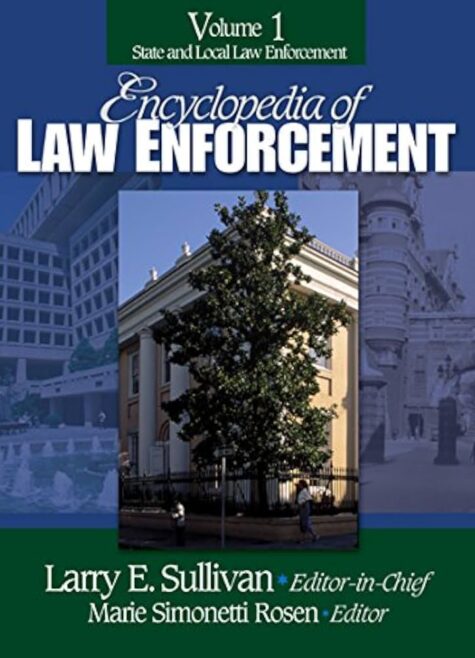


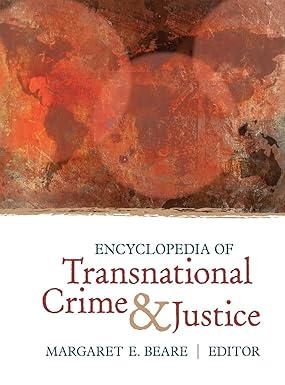


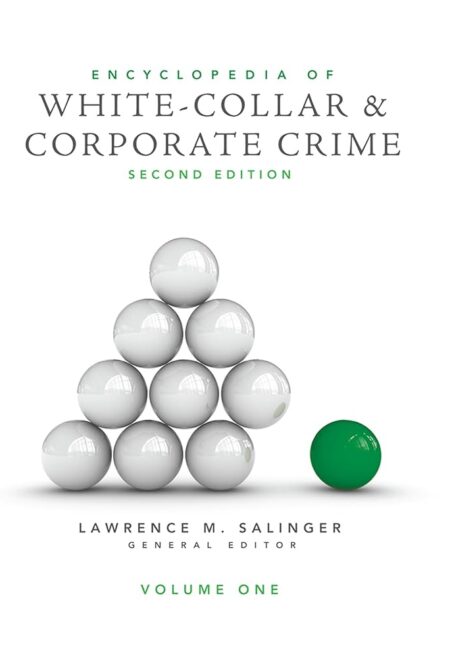
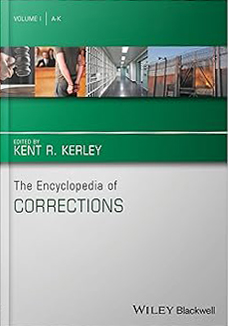
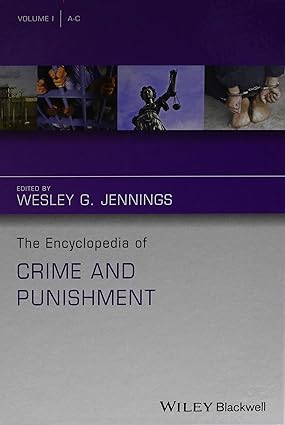

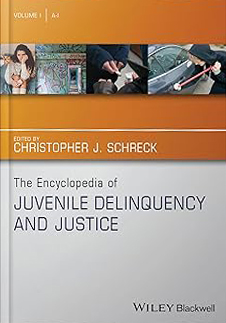
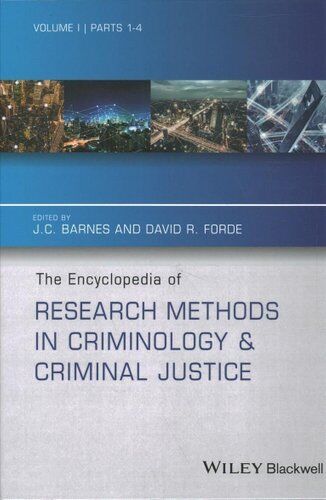

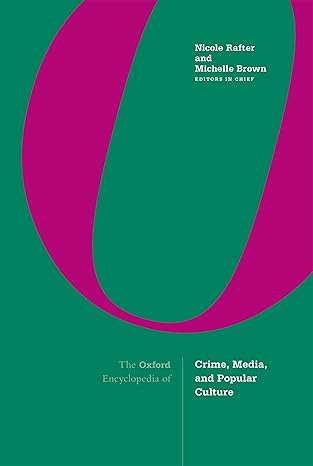



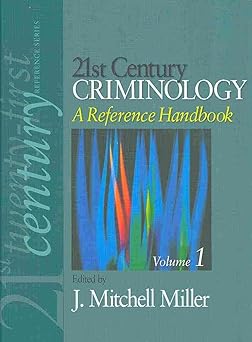
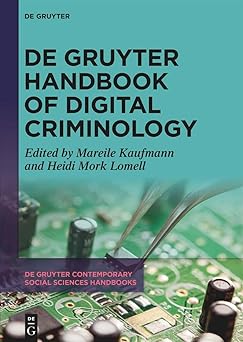
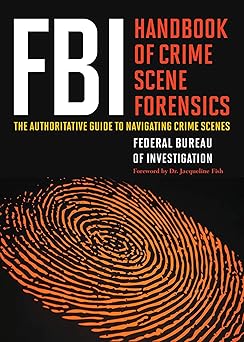
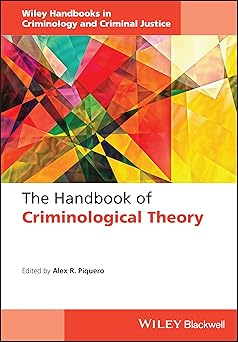
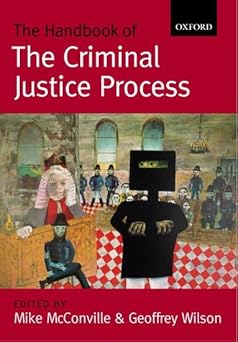
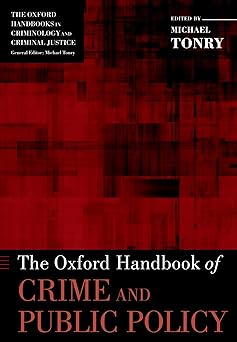
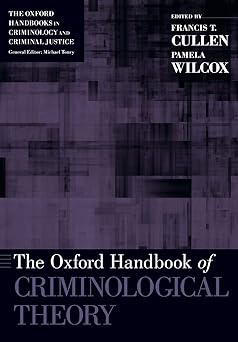
Criminology Handbooks
Criminology Handbooks
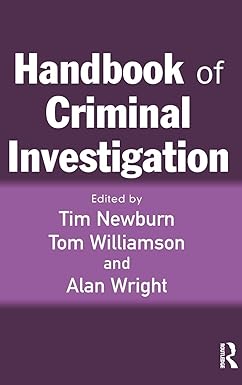
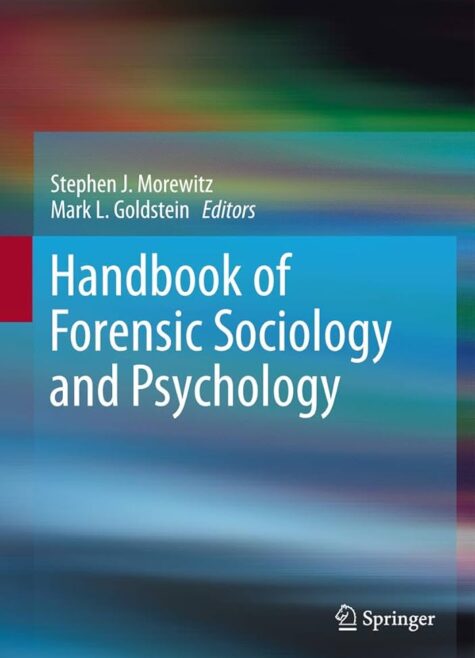
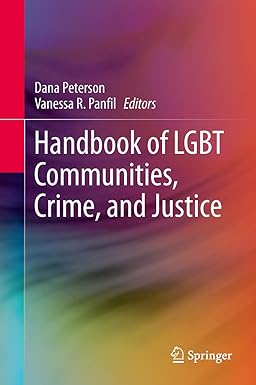
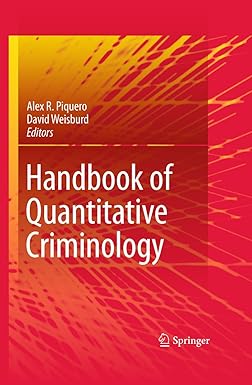

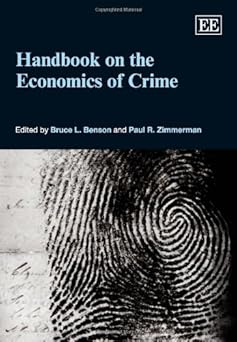
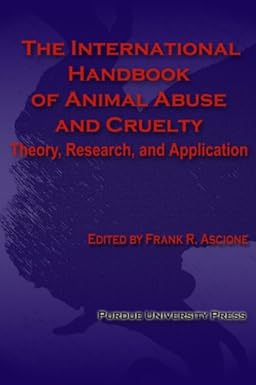

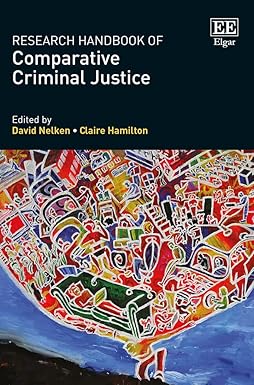

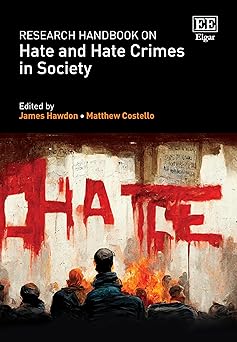
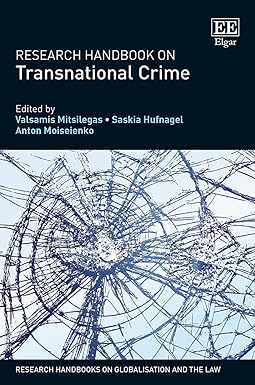
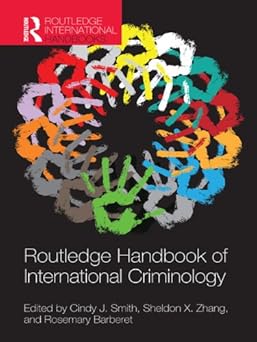
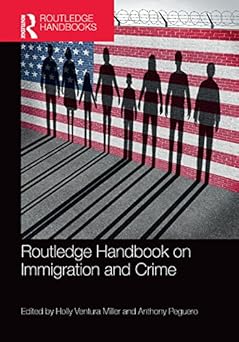
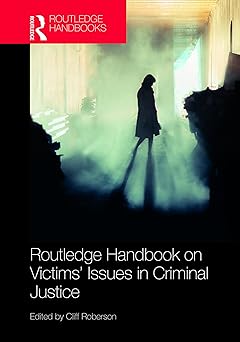

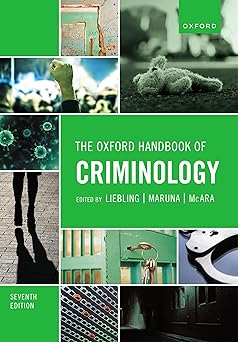
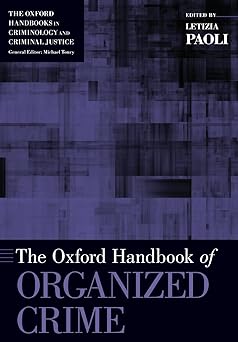
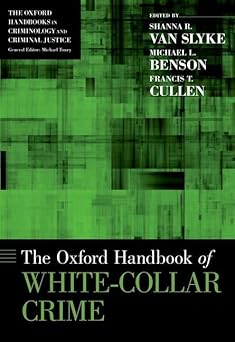
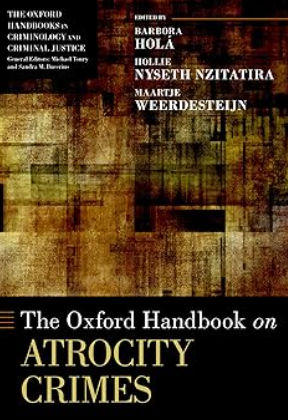

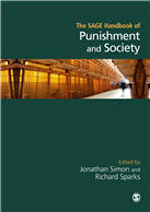
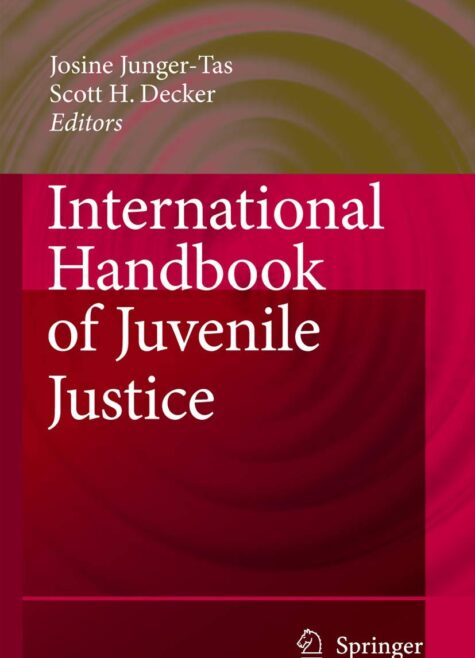
Criminology Introductions
Criminology Introductions

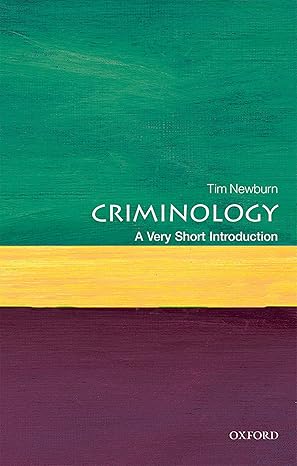
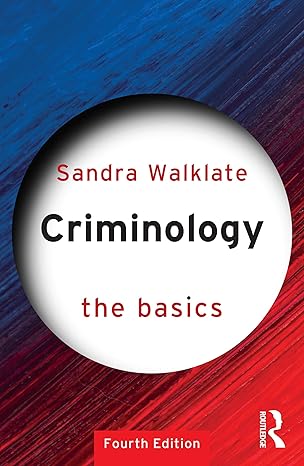
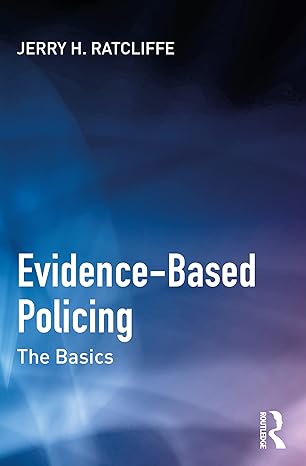
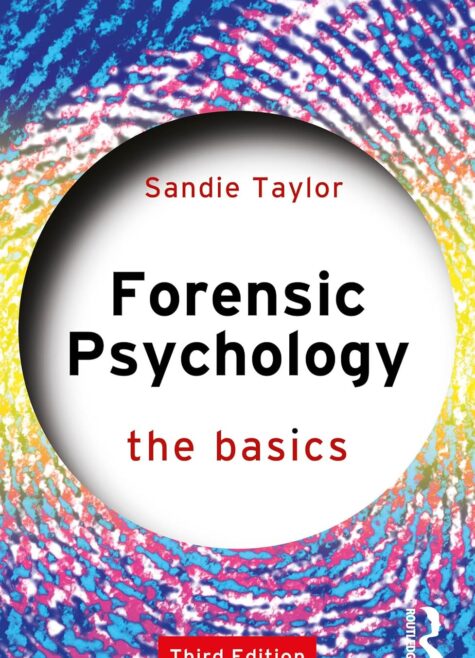
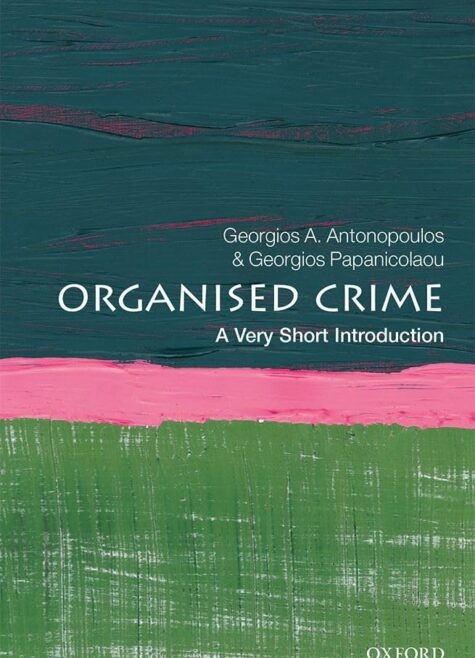
General Databases
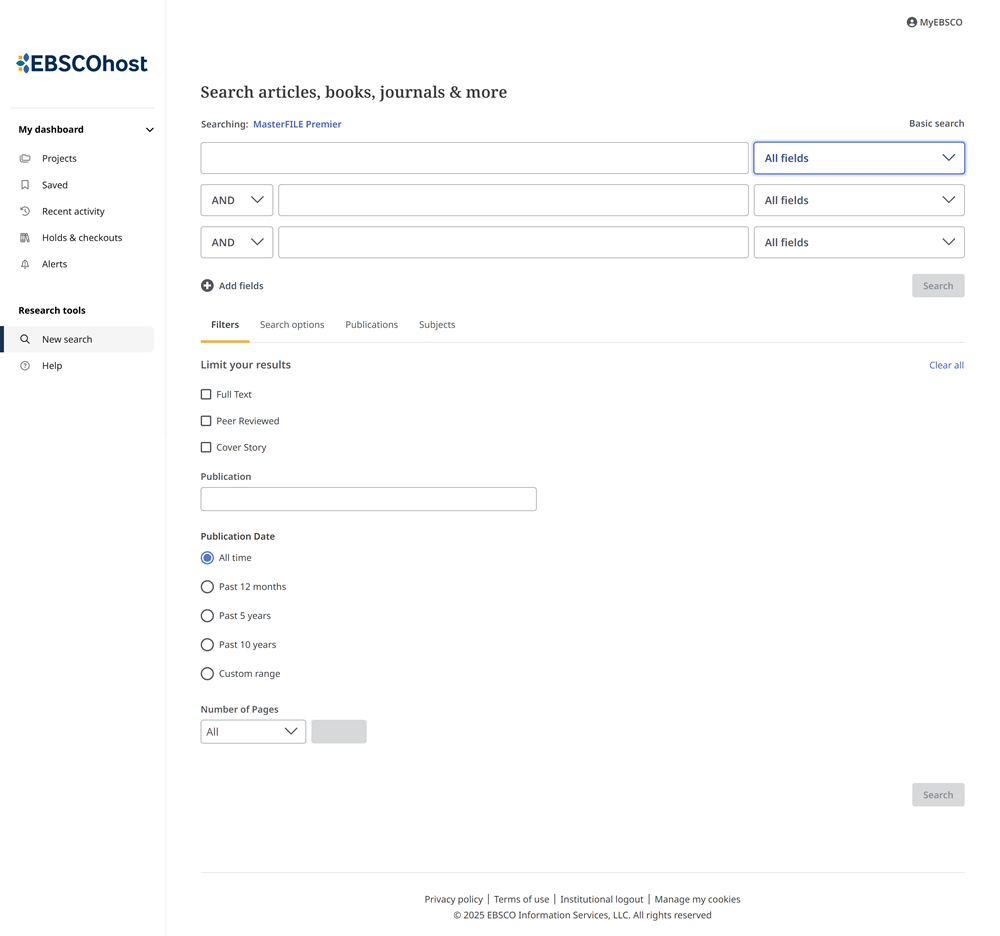
Academic libraries subscribe to a wide range of research databases. EBSCO and ProQuest are the largest and most widely used subscription-based academic research databases. Most colleges and universities offer access to one or both platforms which provide multiple subject-specific databases. Although each has unique features, they share several key characteristics:
EBSCO is a major research database platform that allows users to search multiple EBSCO databases simultaneously. The difference between EBSCOhost and Academic Search is that Academic Search can be searched as part of the EBSCOhost platform or searched separately if your institution has a subscription. To check if your institution subscribes to EBSCOhost, use EBSCO’s Find your institution page.
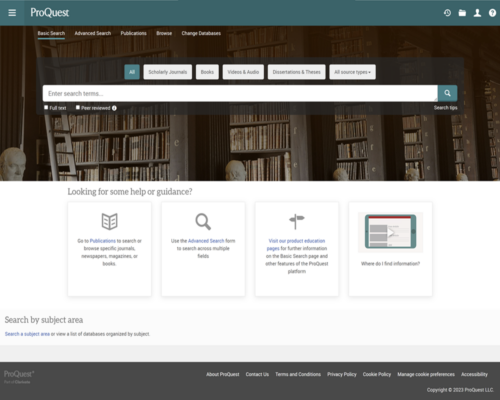
ProQuest is a major database vendor and platform that provides access to hundreds of database collections. The ProQuest platform provides a multidisciplinary search with access to scholarly ebooks, journals, video and audio, newspapers, and more, all searchable simultaneously. ProQuest is unique in providing dissertations and theses, historical newspapers, and other primary sources.
Scholarly Databases
Scholarly research databases provide peer-reviewed academic journal articles, book reviews, and other scholarly resources authored by scholars, researchers, or academics who are experts in their fields.
Unlike magazines, which focus on current events and general-interest stories, articles in scholarly journals undergo rigorous peer review before publication. The following is a list of the most important multidisciplinary scholarly research databases.
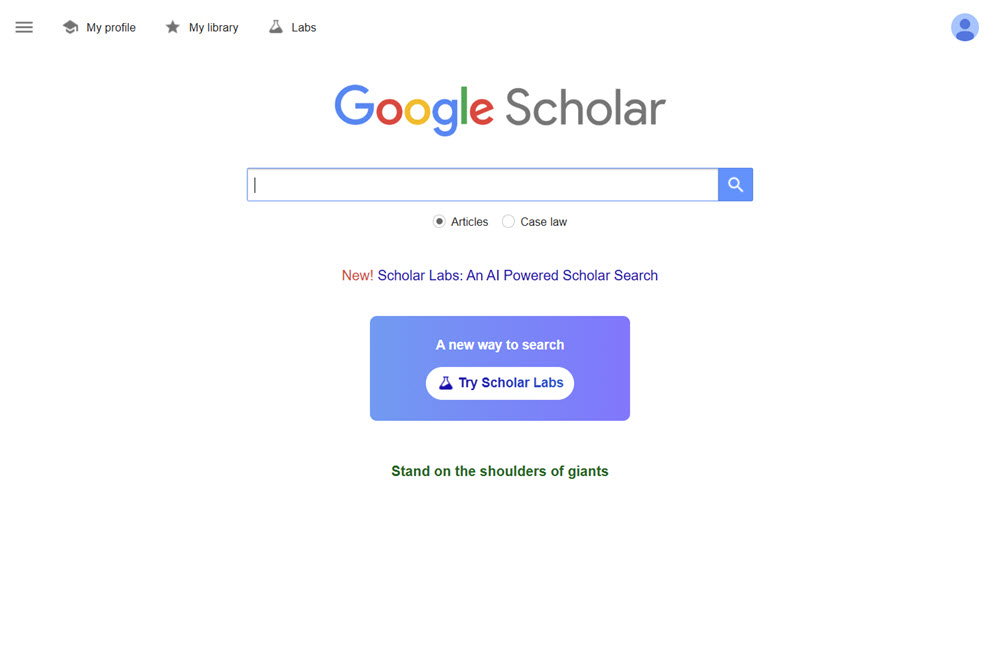
Google Scholar is a free academic search engine that helps researchers and students find scholarly literature across disciplines. It indexes journal articles, books, conference papers, theses, patents, and other resources from academic publishers, universities, and professional organizations.
- Unlike subscription databases, which publish lists of journals in their collections, Google Scholar does not provide a list of the journals, books, repositories, or conference proceedings it indexes.
- General databases such as EBSCO and ProQuest allow you to limit your results to peer-reviewed articles only. Google Scholar does not filter results for peer-reviewed articles.
- When off your school’s network, you must enable your institution’s Google Scholar library links (review process) to see full-text articles available in your institution. If Library Links are not enabled, you’ll only see paywalls, publisher links, and what’s available open-access in the public domain.
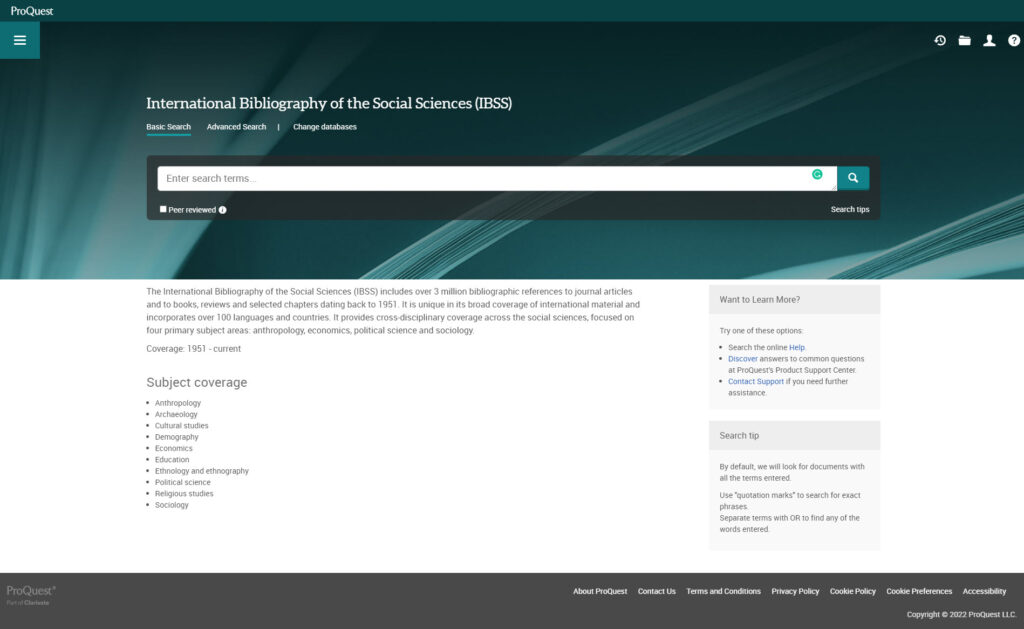
The International Bibliography of the Social Sciences (IBSS), compiled by the British Library of Political and Economic Science at the London School of Economics, provides access to a vast collection of scholarly literature in the social sciences. Covering multiple disciplines, IBSS includes references to journal articles, books, newspapers, and dissertations, with records dating back to 1951.
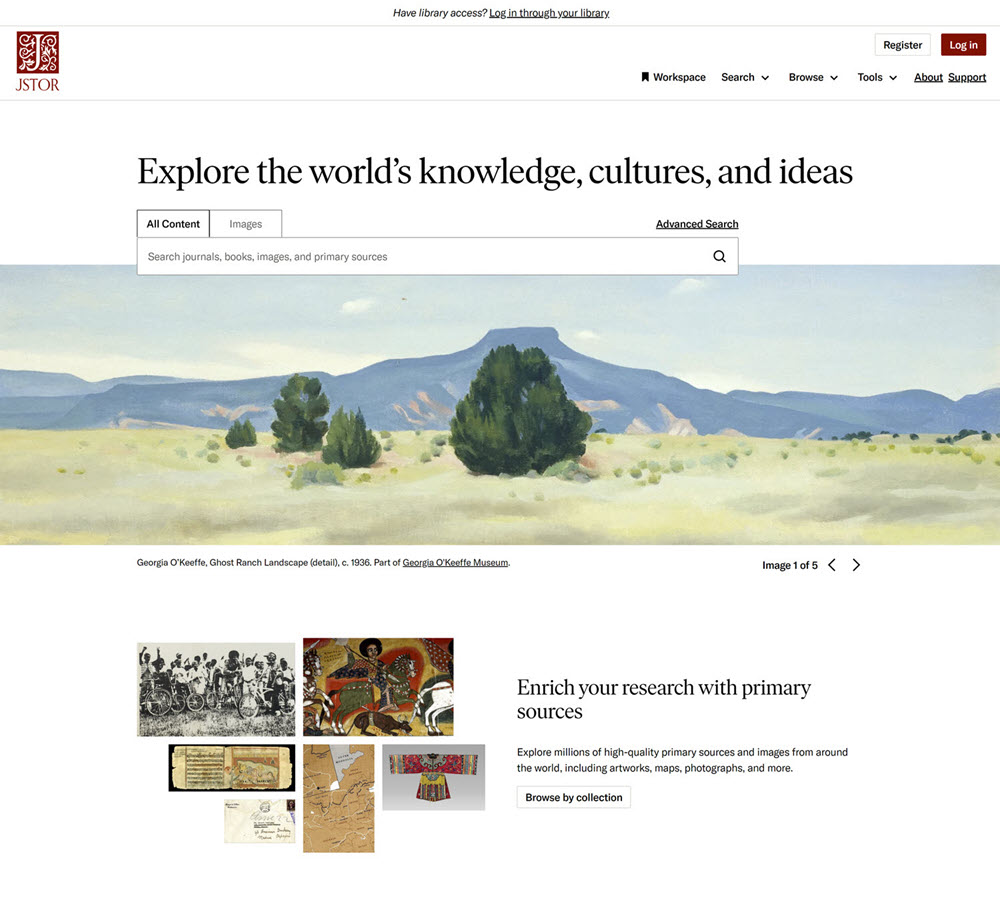
JSTOR is an important scholarly research database for the humanities, social sciences, and sciences. It provides the full text of articles from thousands of influential academic journals. In addition to journal articles, users can access eBooks, book chapters, images, and primary source documents. JSTOR also provides an AI research tool that provides key points and arguments of articles.
JSTOR contains the full text of more than 2,000 journals from 1,000 publishers, with publication dates ranging from 1665 to 2015 (for certain titles). JSTOR also provides:
- Free access to Early Journal Content published before the last 95 years in the United States or before the last 143 years if initially published internationally.
- A collection of nearly 150 open-access journals covering the humanities, social sciences, and sciences.
- JSTOR allows anyone to register for a free personal JSTOR account and provides access to 100 free monthly articles.
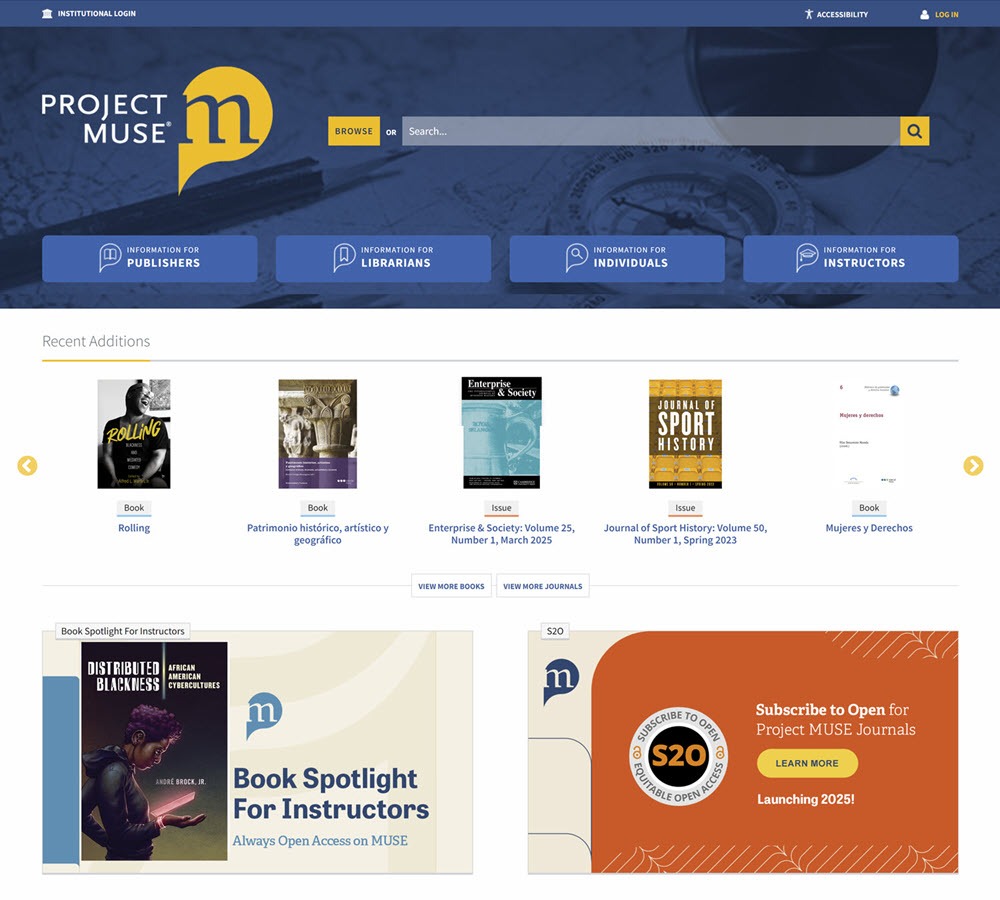
Project MUSE offers online access to a vast collection of scholarly journals, books, and academic resources in the humanities, social sciences, and arts. As a leading provider of digital humanities content, it features high-quality, peer-reviewed publications from prestigious university presses, scholarly societies, and academic publishers.
ProQuest Dissertations & Theses is a database of dissertations and theses from universities worldwide. It provides access to millions of full-text works across many disciplines, including the social sciences, humanities, sciences, and business. Each dissertation includes an abstract or summary that provides a concise overview of the research, its methodology, and key findings.
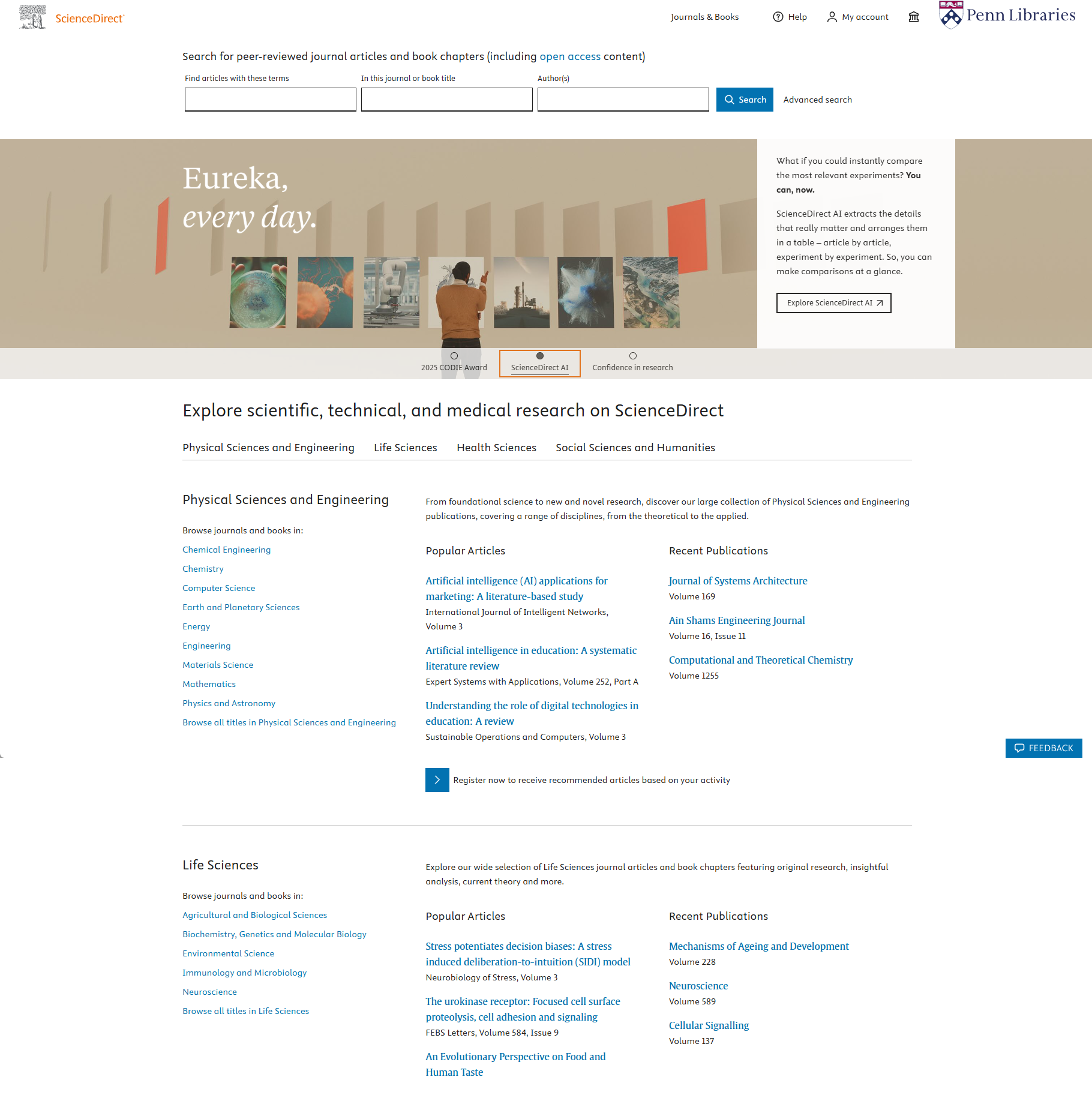
ScienceDirect is a leading full-text scholarly scientific database that provides journal articles and book chapters from more than 2,500 peer-reviewed journals and more than 11,000 books. It covers over 24 major subjects in the physical sciences and engineering, life sciences, health sciences, social sciences, and the humanities.
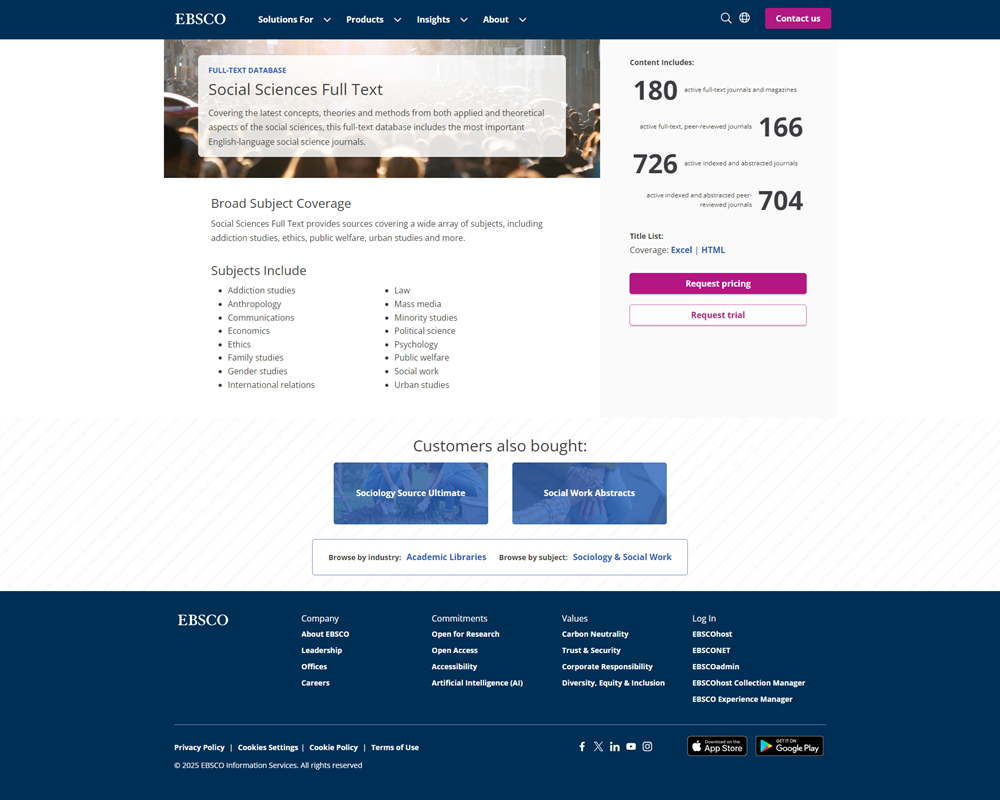
Social Sciences Full Text provides access to a wide range of scholarly literature in the social sciences. It covers many disciplines, including sociology, psychology, international relations, political science, anthropology, economics, and education.
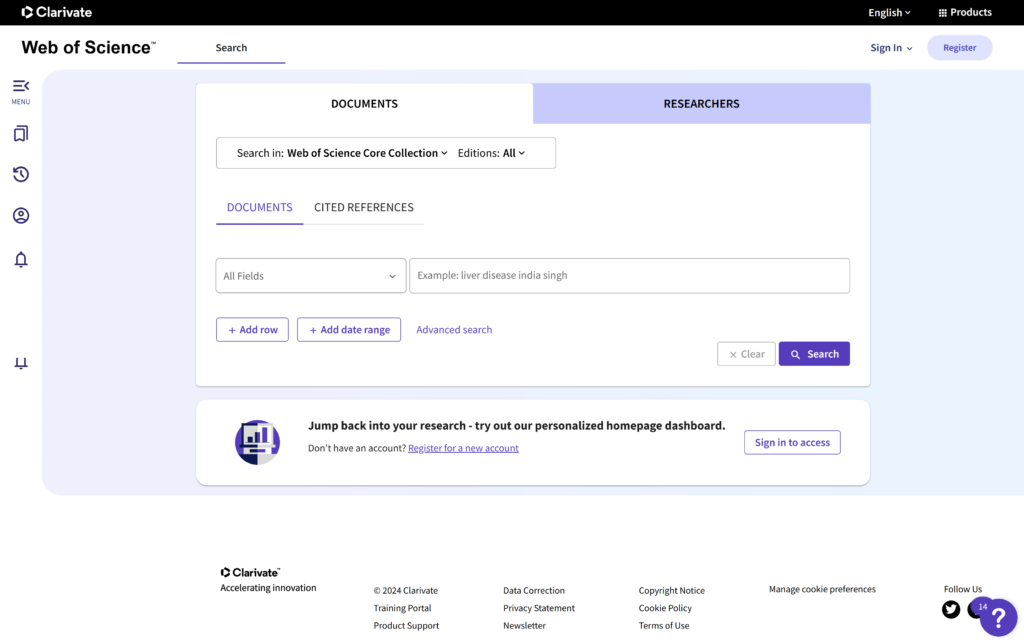
Web of Science is a comprehensive, multidisciplinary research and citation index that provides access to a wide range of scientific, technical, social science, and humanities research. It maintains rigorous criteria for the journals and publications it indexes, ensuring that only high-quality, peer-reviewed content is included. Web of Science includes 98 million papers dating back to 1900.
Criminology Databases
Searching general or multi-disciplinary databases can sometimes give you too many results. To narrow your focus, try using a database dedicated to criminology research. The list below highlights the top databases for finding criminology journals and scholarly articles.
The Annual Review of Criminology is a peer-reviewed academic journal that publishes comprehensive literature review articles in criminology. Each year, a new volume is released, consisting of articles written by leading experts in the field, providing overviews of the most important and influential research and scholarship on crime, justice, and social control.
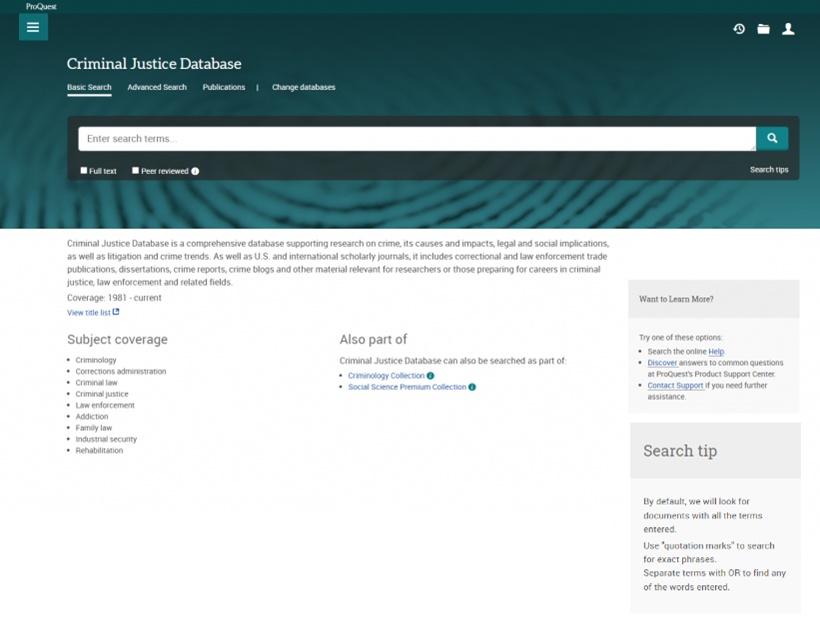
Criminal Justice Database is a research collection that focuses on crime, law enforcement, corrections, and the criminal justice system. It provides access to full-text articles, reports, and other publications that explore real-world issues such as policing practices, court decisions, and rehabilitation programs.
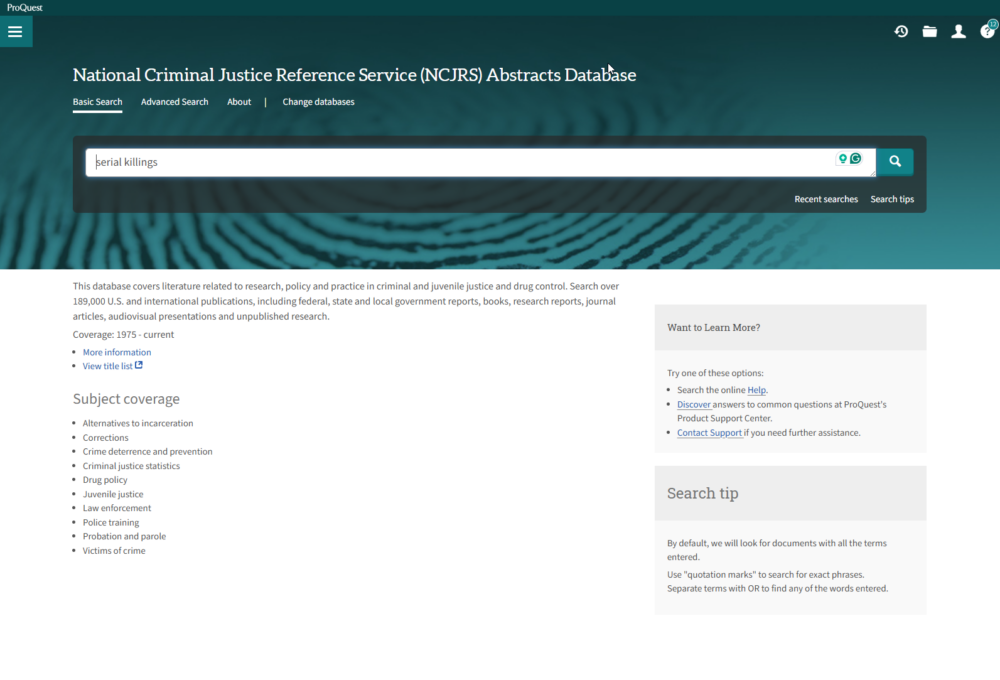
National Criminal Justice Reference Service (NCJRS) Abstracts provides summaries of publications on crime, justice, and public safety. It includes research studies, government reports, policy papers, and other materials from the U.S. and abroad. Topics covered include policing, corrections, juvenile justice, and victim services.
Criminology Journals
Scholarly journals are essential for academic research. However, not all scholarly journals are of the same quality. While peer review is a good starting point, researchers should also consider a journal's reputation and impact within its discipline. Journal Citation Reports (JCR) is considered one of the best tools to help researchers identify leading journals within a discipline.
Journal Citation Reports (JCR) is widely regarded as the leading subscription-based resource for identifying high-quality, peer-reviewed journals and assessing the impact, influence, and quality of scholarly journals across all academic disciplines. To learn more about JCR and journal impact, go to Journal Databases.
To review the entire JCR list of highly cited anthropology journals, go to Journal Citation Reports (JCR) and choose Categories > Social Sciences, General > Criminology. Below are the ten most recently highest cited criminology journals.
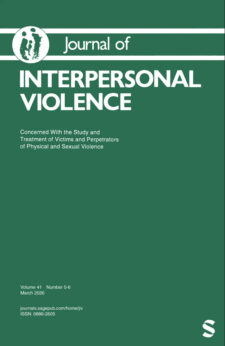
The Journal of Interpersonal Violence (JIV) is a peer-reviewed academic journal that focuses on violence between individuals, especially within families, intimate relationships, and close social settings. It publishes research that examines the causes, consequences, prevention, and policy implications of interpersonal violence across the lifespan.
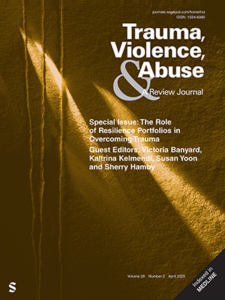
Trauma, Violence, & Abuse (TVA) is a peer-reviewed academic journal that focuses on comprehensive reviews of research on trauma and interpersonal violence. TVA specializes in synthesizing and evaluating existing research across disciplines. Literature reviewed includes social sciences, behavioral sciences, and the law.
Aggression and Violent Behavior is a multidisciplinary journal that publishes research and empirical studies on aggression and violence. Topics include youth and gang violence, family violence, workplace and school violence, cyberbullying, and various forms of victimization.
Criminology is a leading peer-reviewed academic journal published by Wiley on behalf of the American Society of Criminology. It focuses on the causes, patterns, and consequences of crime and criminal behavior. Criminology publishes broad, theory-driven research that advances core debates in the field.
The British Journal of Criminology is a leading international journal publishing high-quality, peer-reviewed research on crime and society. It publishes articles from diverse disciplinary perspectives, including sociology, psychology, law, politics, and anthropology.
The Journal of Criminal Justice is an international scholarly publication that explores how different parts of the criminal justice system, such as law enforcement, courts, and corrections, interact and influence one another.
Justice Quarterly examines how criminal justice systems operate and how laws and policies shape real-world outcomes. Published by the Academy of Criminal Justice Sciences, it features studies on policing, courts, corrections, and broader issues such as inequality, reform, and public safety.
Crime & Delinquency is a scholarly journal that explores the causes, consequences, and prevention of crime within society. It features research on topics such as youth crime, gang behavior, policing, sentencing, rehabilitation, and the social factors that influence criminal behavior.
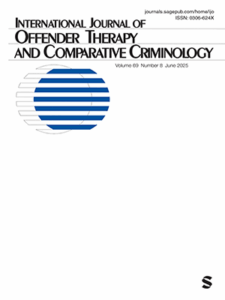
International Journal of Offender Therapy and Comparative Criminology is a peer-reviewed journal that examines how societies respond to crime, punishment, and rehabilitation. It focuses on comparative and international perspectives, featuring studies of correctional systems, offender treatment programs, restorative justice, and community reintegration.
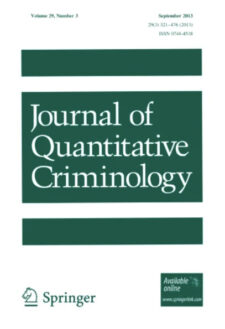
The Journal of Quantitative Criminology (JQC) is a peer-reviewed academic journal that focuses on the statistical and mathematical analysis of crime and criminal justice. It publishes research that uses rigorous quantitative methods to better understand patterns of crime, victimization, policing, sentencing, and other aspects of the justice system.
Research Methods
Research methods are the specific strategies, tools, and techniques researchers use to collect and analyze information to answer questions or solve problems. Research methods can be qualitative (interviews or observations), quantitative (numerical and statistical), or mixed methods (a mixture of both).
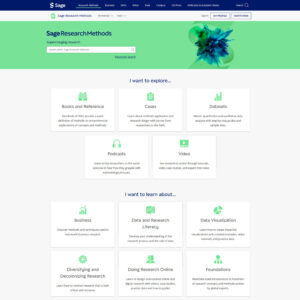
Sage Research Methods is an important resource for learning about research methods and can help you choose the methods best suited to your research question or project.
Sage Research Methods is an important resource for learning about research methods and can help you choose the methods best suited to your research question or project.
Sage Research Methods is a major subscription database that guides users in understanding research methodologies across different academic disciplines. It provides electronic access to reference books, journal articles, instructional videos, and other research methods resources.
Criminology Research Methods
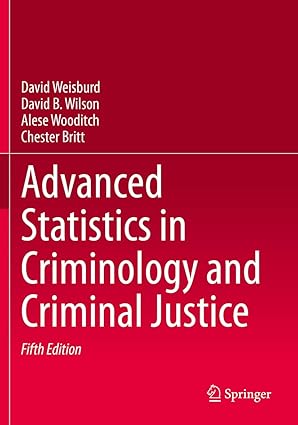
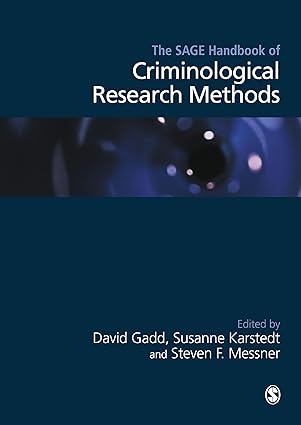
Most social science students are required to take at least one research methods course as part of a department's core curriculum, which introduces the basics of how research is done in a specific discipline. The following books offer clear, in-depth explanations of research design concepts, methods, and techniques used in criminology research.
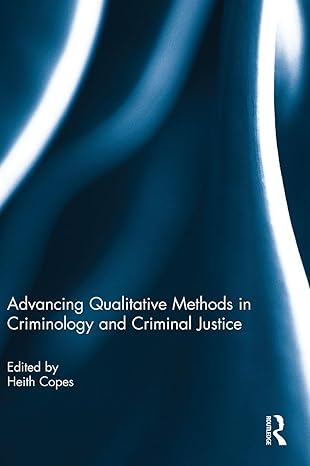
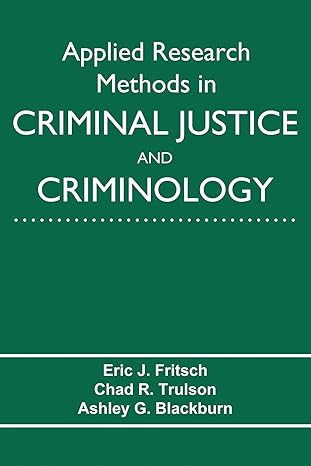
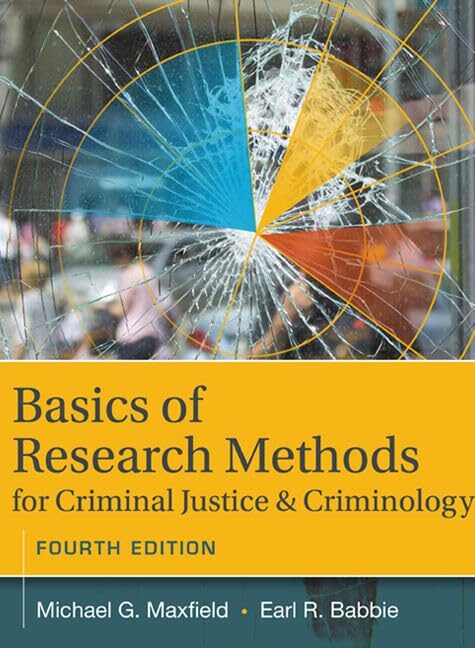
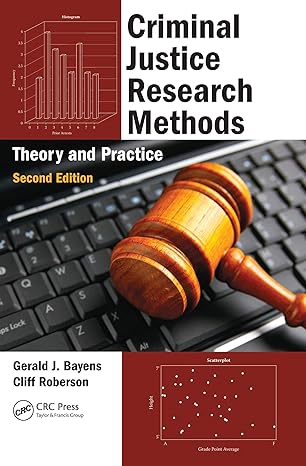
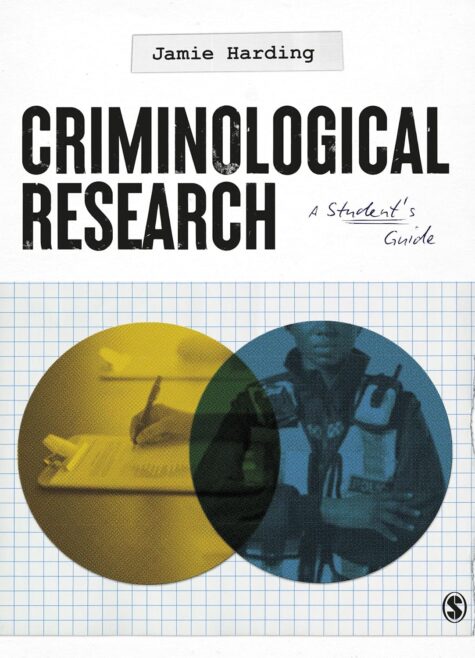
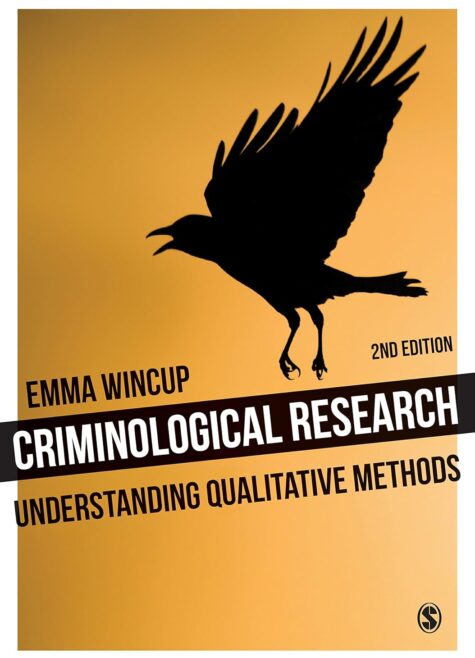
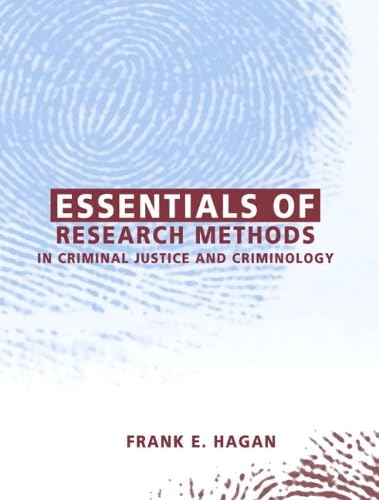
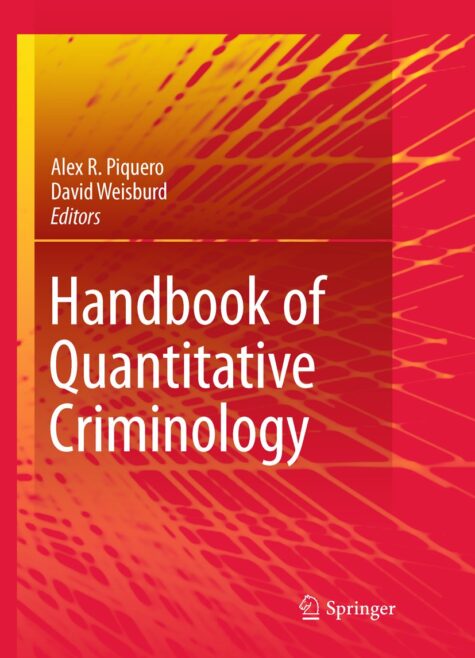
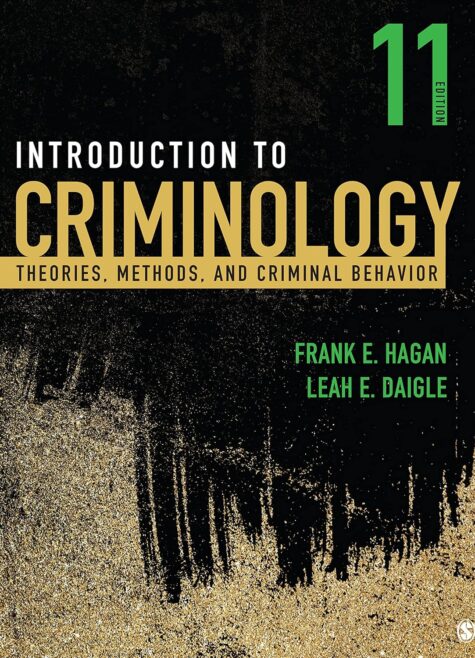
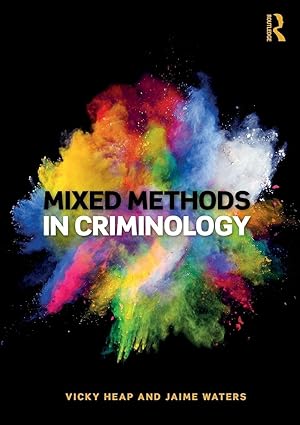
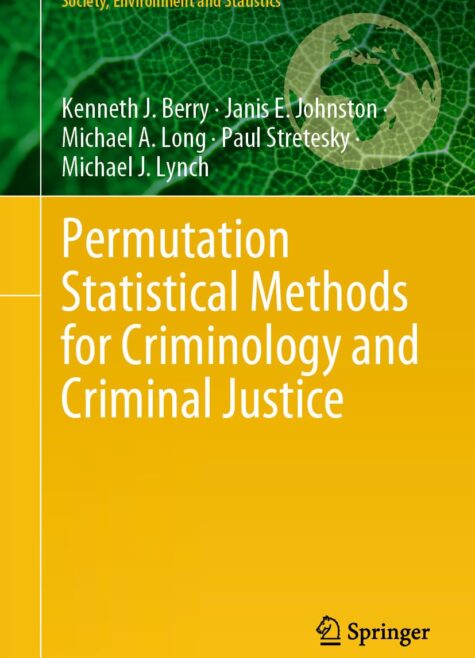
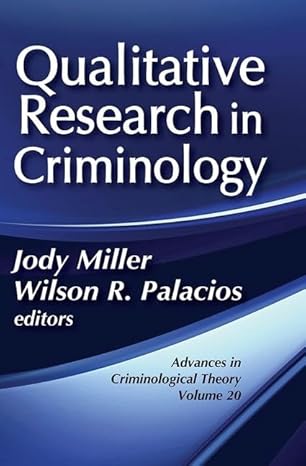
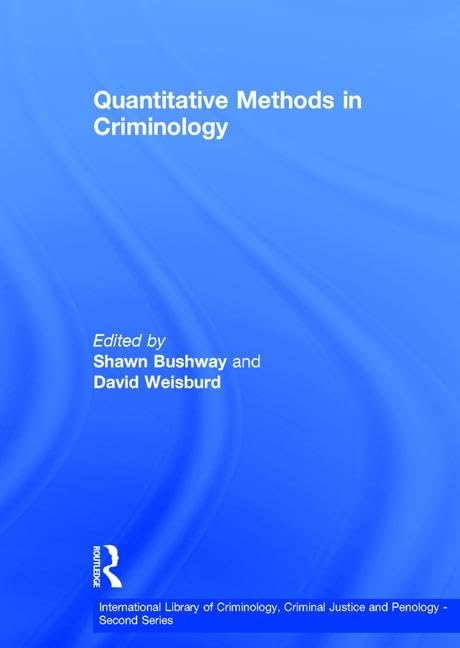
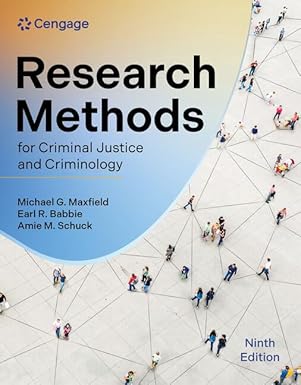
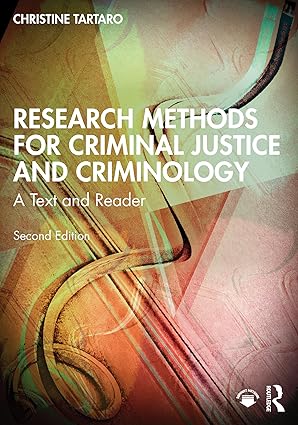
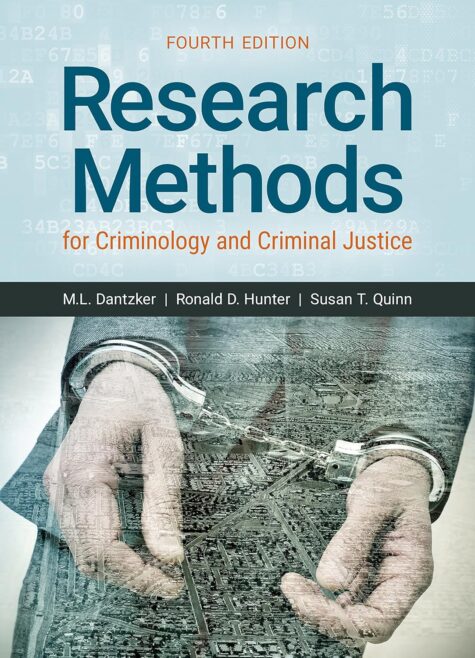
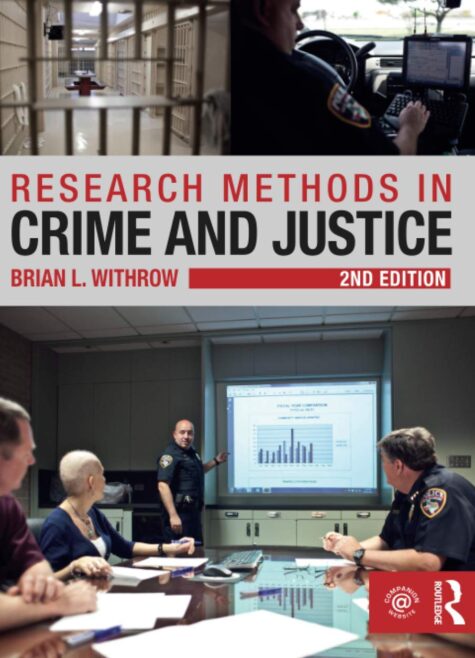
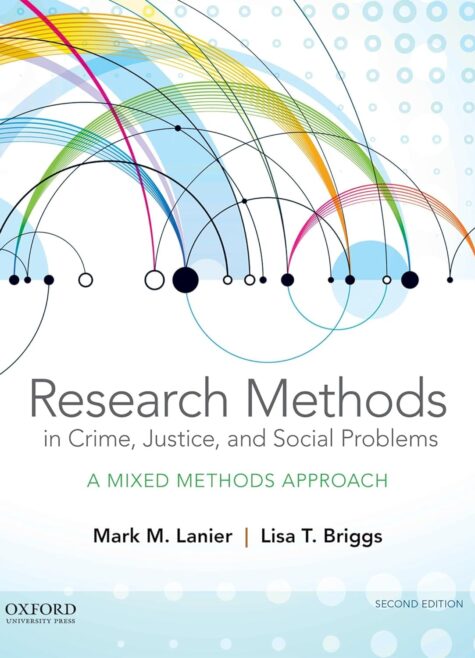
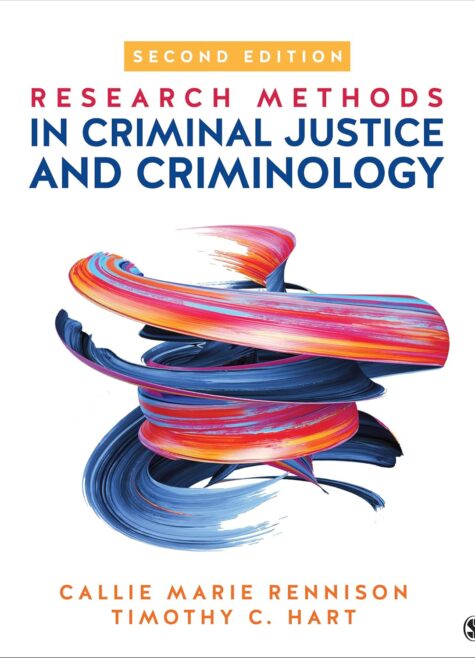
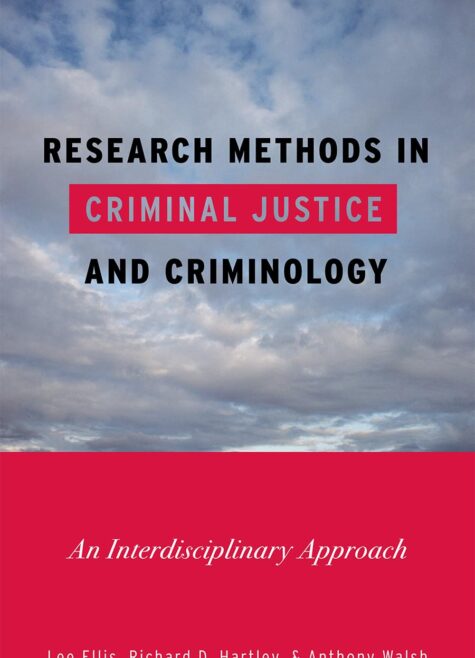
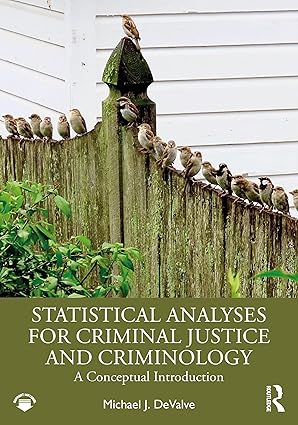
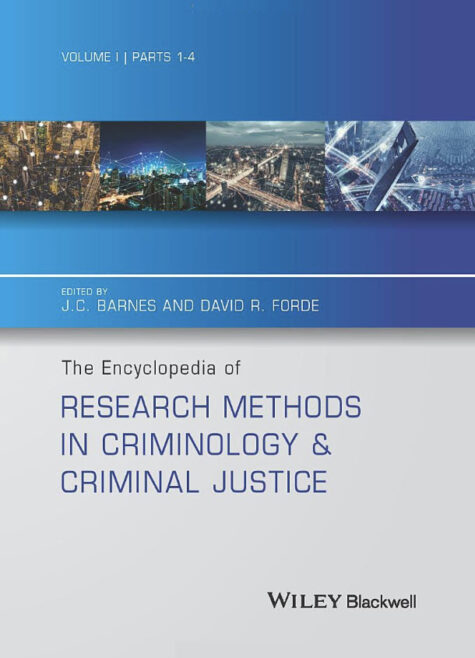
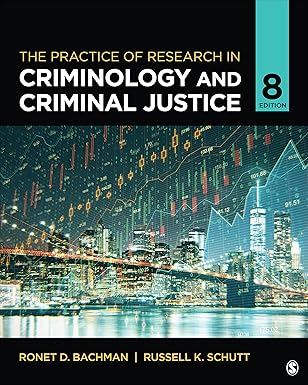
The icons next to each resource indicate its access requirements.
Open source/ Free
Subscription required

The FBI’s Uniform Crime Reporting Program (UCR) is voluntary, meaning local and state law enforcement agencies choose whether to submit data. Its recent transition to the National Incident-Based Reporting System (NIBRS) captures more detail per incident than the older summary counts, changing how researchers study crime patterns.

Source: The Federal Bureau of Investigation (FBI)