
Public Policy
Resources for the study of how governments make and implement decisions to address public problems.

Overview
Public policy refers to the set of decisions governments make to manage society, encompassing laws, regulations, and programs that address issues such as the economy, environment, and national security.
If you’re new to public policy research, the following is a basic introduction to the field, along with resources for students who want to know more about majoring in public and social policy.
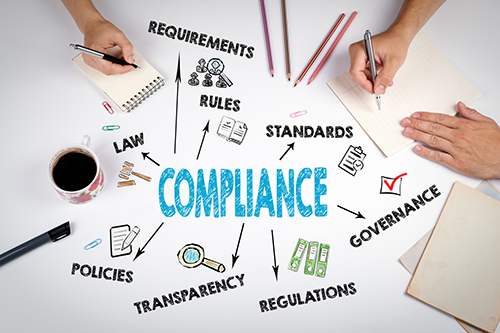
Public policy creates standards, while compliance determines whether those standards are implemented in society.
What is public policy?
Public policy is a broad term that describes the decisions and actions taken by governments to solve public problems and manage public life. Public policy encompasses a wide range of subject areas and issues, including economics, the environment, healthcare, politics, and education. As a result, you may need to review research guides specific to those areas. In political science, scholars study not only the content of these policies but also how they are made: the political negotiations, institutions, interest groups, and ideologies that shape outcomes. Public policy is often referred to as "the rules of the game" that define the political decisions that organize society’s priorities and distribute resources.
Public policy papers serve different purposes than scholarly political science articles and have distinct characteristics:
- Public policy databases typically comprise papers that describe and analyze the political directives, decisions, and actions adopted by governments.
- Policy papers are typically written to inform and influence policymakers, practitioners, and the general public in a language accessible to a broader audience.
- While references are often included, public policy papers tend to focus on practical examples, case studies, and real-world issues, and may not provide citations.
- Think tanks, policy research organizations, or government agencies typically publish policy papers.
For in-depth descriptions of public policy, read the following:
- Public policy (Governance) - Encyclopedia Britannica
- The Evolution of Public Policy - The American University's Online Master of Public Administration and Policy
- Defining Public Policy - Associate Professor Daniel Berliner, Course Convenor on the Public Policy Analysis online certificate course from the London School of Economics and Political Science (LSE), explains the basic facets of public policy.
What are important areas of public policy study?
Public policy studies cover a wide range of topical areas. We've other main areas of study:
- Economics – Analyzes costs, incentives, and resource distribution.
- Sociology – Examines inequality, demographics, and social impacts.
- Law – Provides legal frameworks for policy creation and limits.
- Public Administration – Focuses on how policies are carried out by government agencies.
- Ethics & Philosophy – Explores values, justice, and what governments should do.
- History – Offers context and lessons from past policies.
- Psychology – Explains how people respond to policies in practice.
Where can I find information about a major in public policy?
If you’re considering or just starting as a political science major, these resources will give you helpful background and direction. They explain what to expect from the major and the wide variety of career paths it can lead to.
- How to Get into Public Policy -The School of Public Affairs (SPA) at American University
- What You Need to Know About Becoming a Public Policy Major (U.S. News & World Report)
Background & Reference Sources
Background information is particularly important in public policy research. Reference sources help you understand key terms and concepts, place policies in their historical and social context, and learn how laws and regulations are made and carried out. This section highlights general and subject-specific reference resources important to public policy studies, including encyclopedias, dictionaries, handbooks, and other resources that can help you quickly get started with research.
Because public policy draws insights from politics, economics, law, and sociology. Make sure to review reference sources from those disciplines.
Bibliographies
A bibliography lists referenced sources, such as books, articles, documents, websites, and other academic materials used in research.

Dictionaries
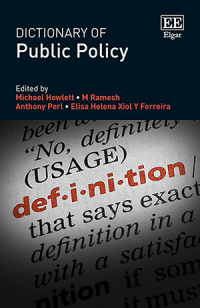
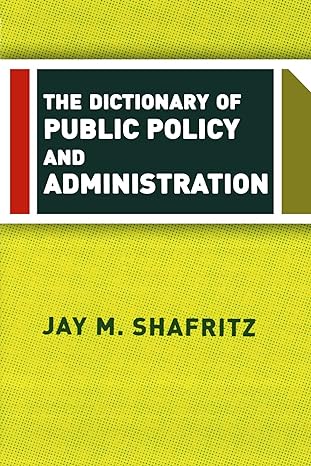
Dictionaries are important for understanding and contextualizing words, concepts, and terminology. Various political science dictionaries provide clarity when exploring complex political concepts, systems, and theories, offering clear definitions of key political terms.
Encyclopedias
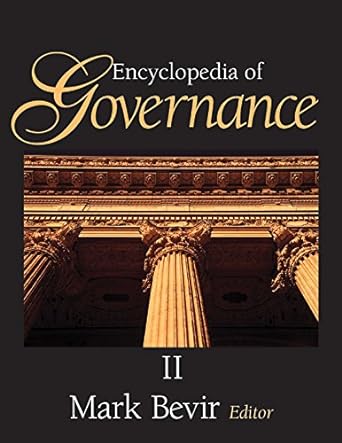
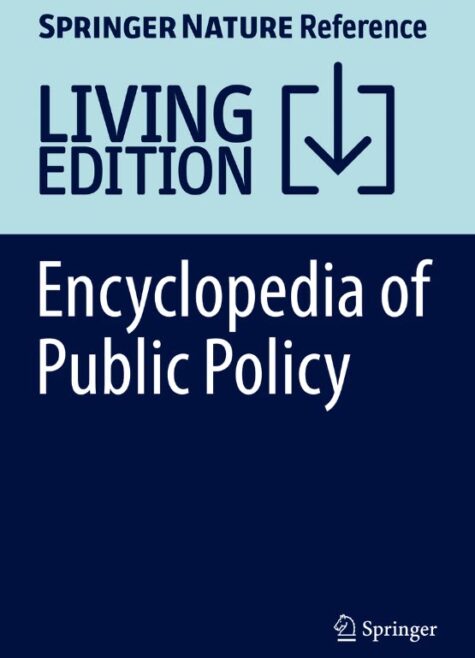
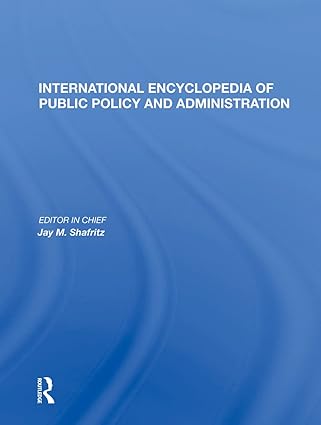
Subject encyclopedias are specialized reference works providing in-depth information on specific discipline topics. Unlike general encyclopedias that cover a wide range of topics, subject encyclopedias focus exclusively on one field, offering detailed and comprehensive entries written by experts. For a list of general and specialized encyclopedia databases, go to Getting Started – Reference Resources.


Introductions
Introductions provide brief but comprehensive introductions to a subject. Written by experts, introductions present key ideas, theories, and debates understandably. The following books are ideal for readers new to political science, providing foundational knowledge without requiring prior expertise.
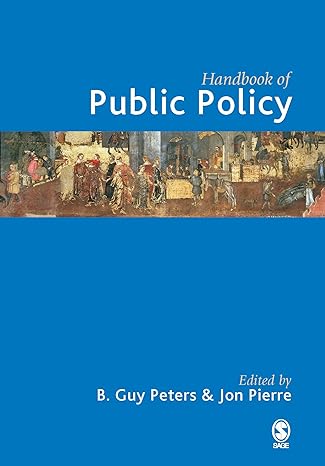
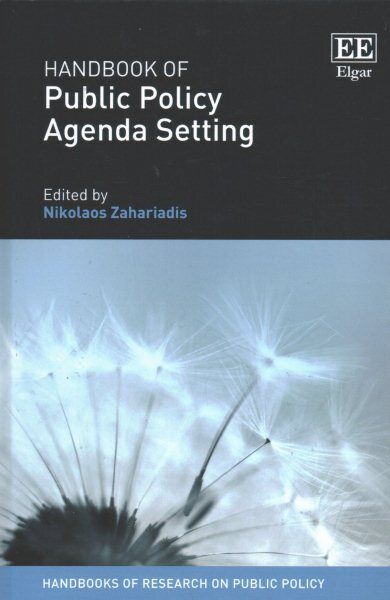
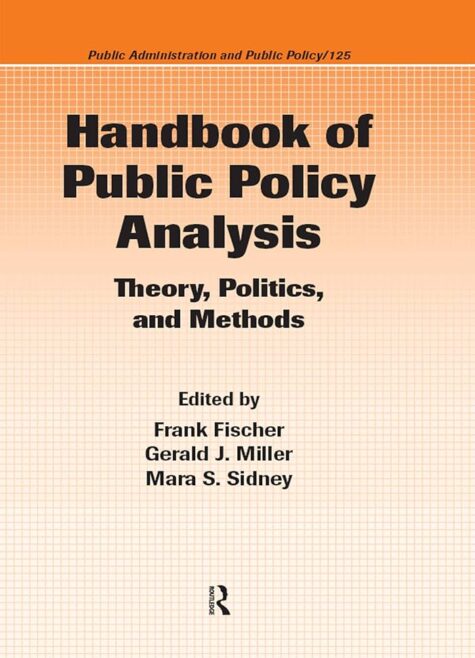
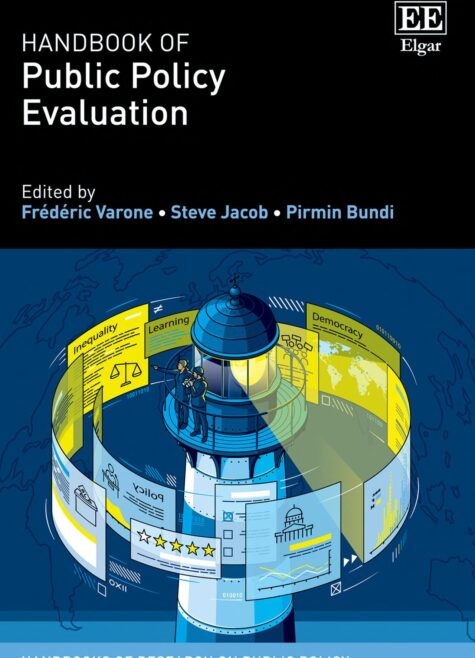
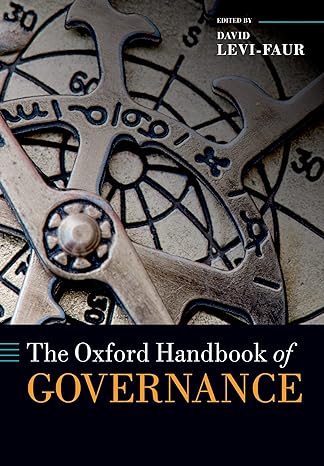
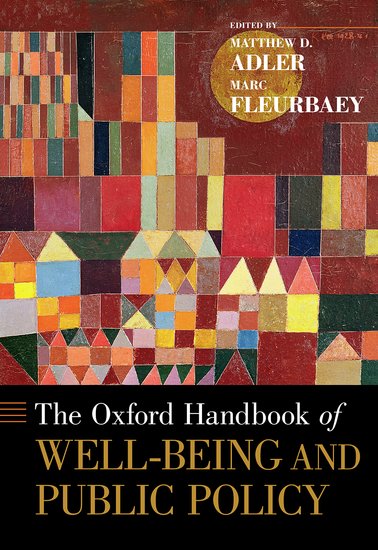
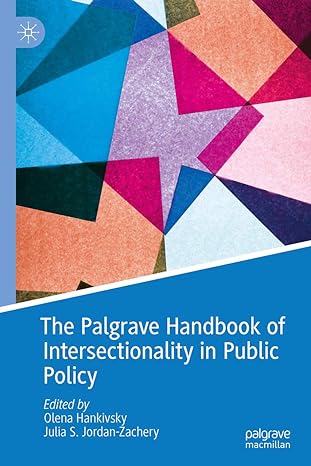
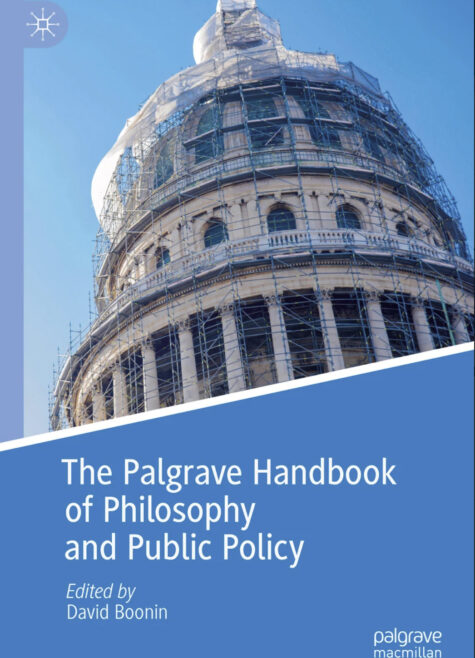
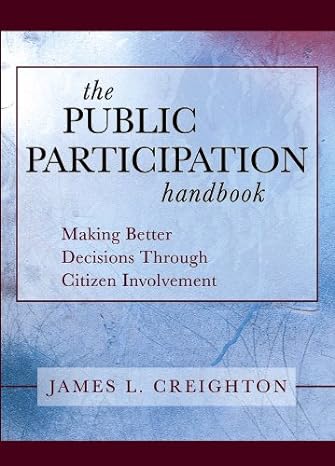
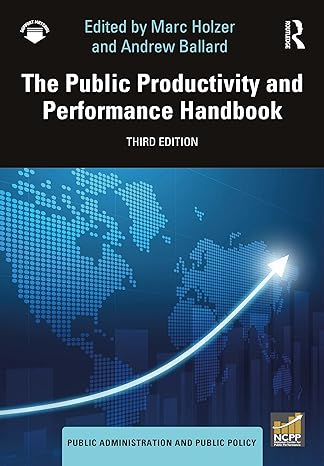
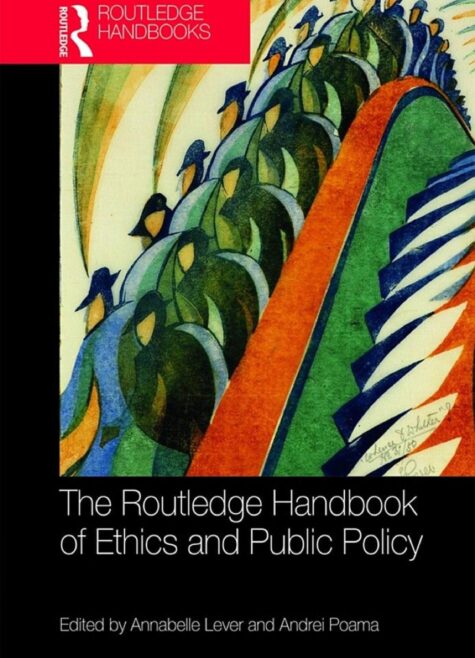
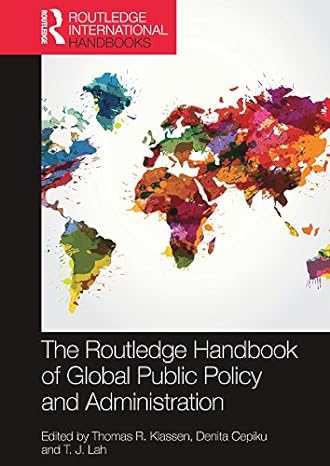
Handbooks
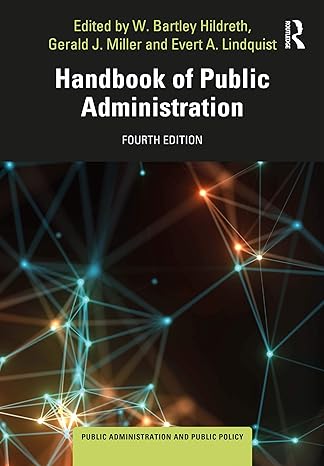
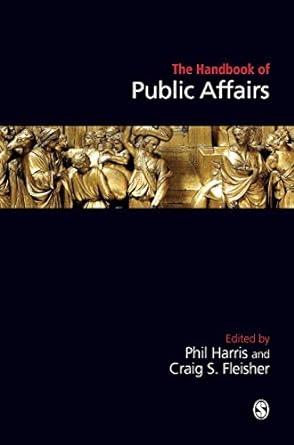
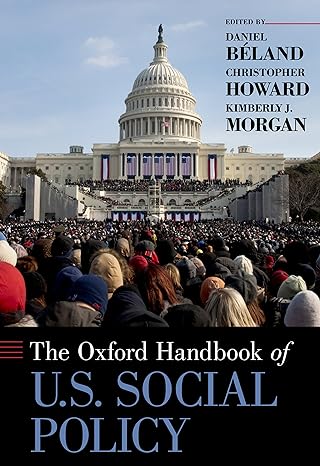
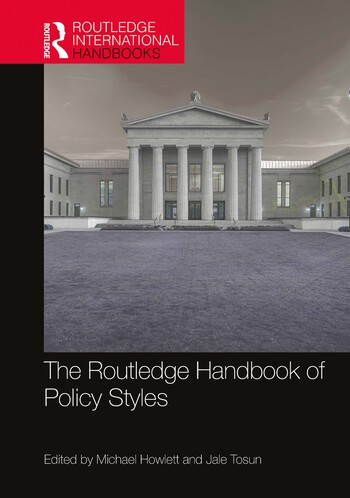
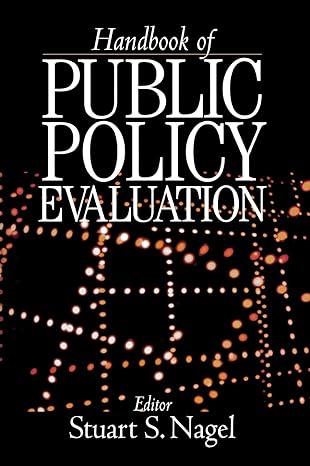
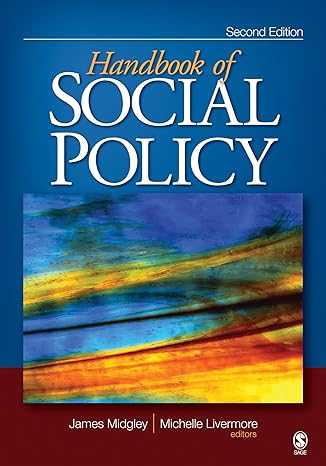
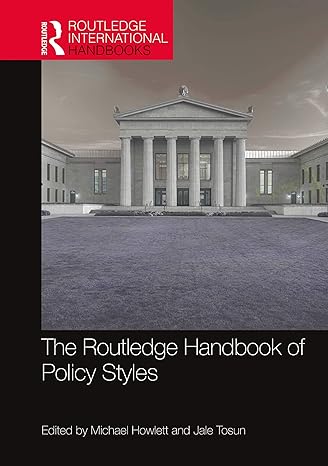
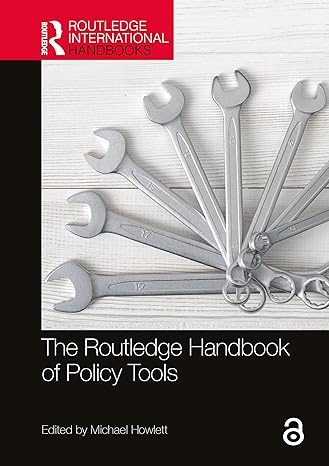
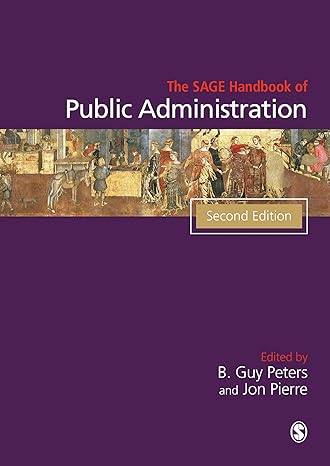
Handbooks provide authoritative overviews, in-depth analyses, and critical discussions of a particular academic field, discipline, or topic. The following are important general handbooks in political science.

Public Policy Databases
The following is a list of the top subject-specific research databases for locating public policy reports and articles.
If your issue is related to U.S. Federal government policy, consider searching for reports from the Congressional Research Service (CRS). The CRS works exclusively for the United States Congress, providing policy and legal analysis to committees and members of the House and Senate, regardless of party affiliation.
The CRS also provides “Policy and Legislative Research for Congressional Staff: Finding Documents, Analysis, News, and Training,” a finding aid used by congressional aides for locating congressional documents, executive branch documents and information, news articles, policy analysis, contacts, and training for use in policy and legislative research.
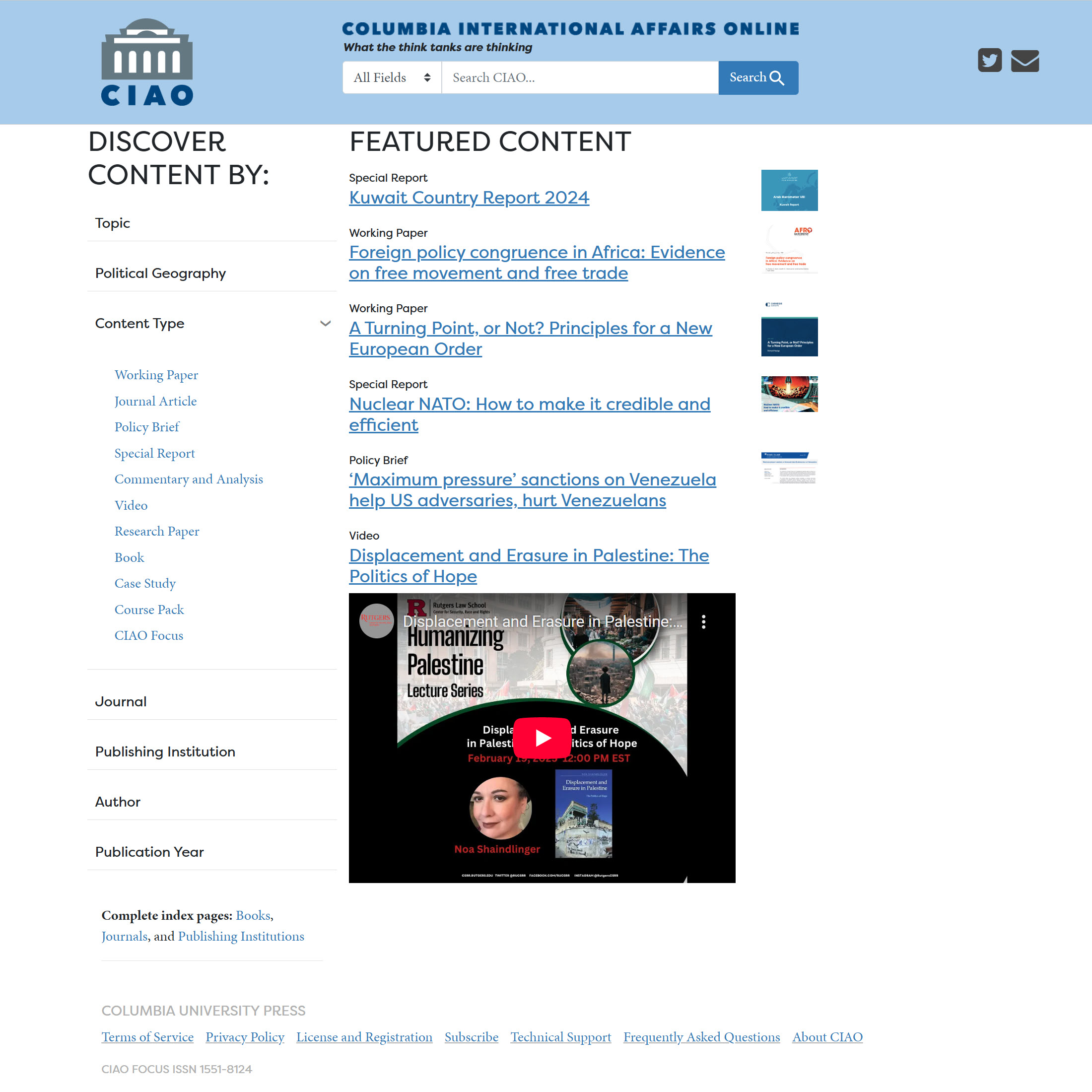
 Columbia International Affairs Online (CIAO)
Columbia International Affairs Online (CIAO) is a comprehensive public policy resource for the study and practice of international relations, global policy, and diplomacy. Developed by Columbia University Press, CIAO provides scholarly journals, policy briefs, conference proceedings, working papers, and e-books produced by leading think tanks, research institutes, and publishers worldwide. CIAO also provides case studies, country profiles, and interactive datasets.
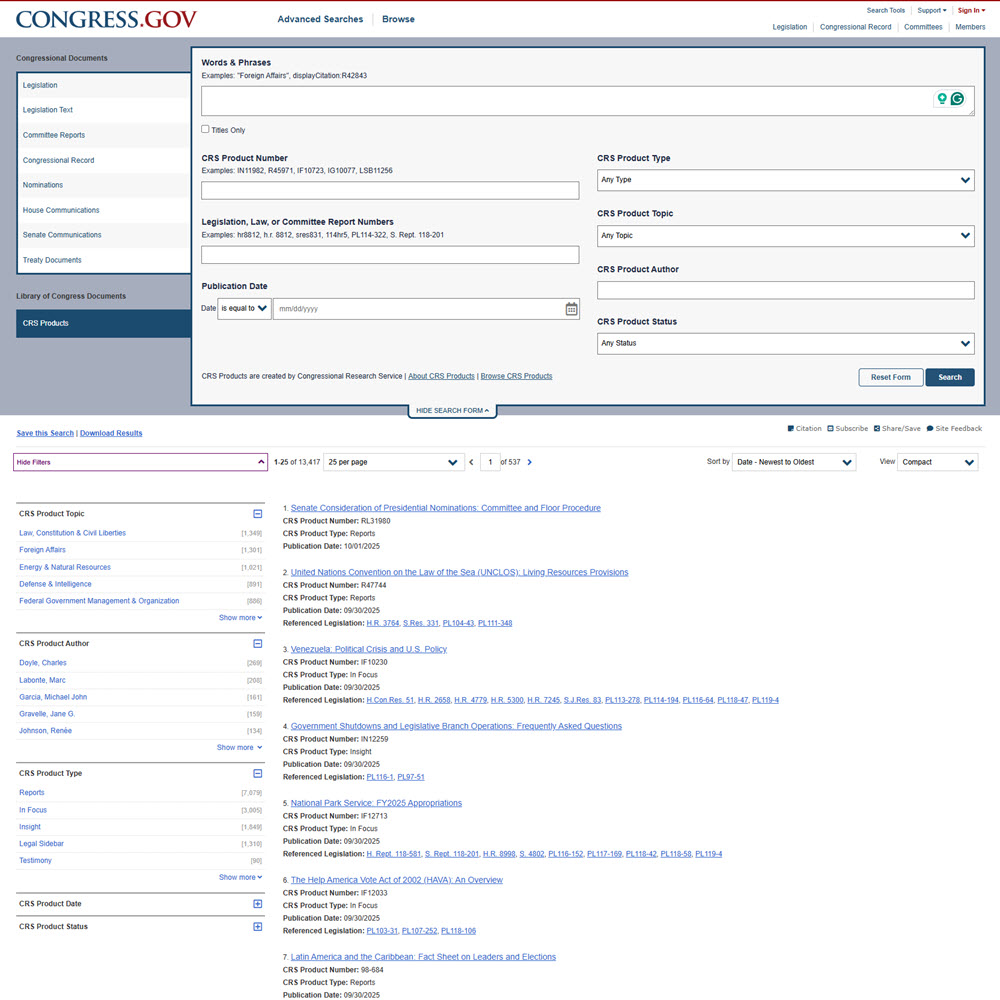
 Congressional Research Service (CRS)
Congressional Research Service (CRS) is a nonpartisan research agency within the Library of Congress that provides in-depth policy and legal analysis to members of the U.S. Congress. These reports cover a wide range of topics considered important to U.S. interests and affairs, including foreign affairs, economics, healthcare, defense, energy, the environment, and constitutional law, providing members of Congress with the necessary background information on policies.
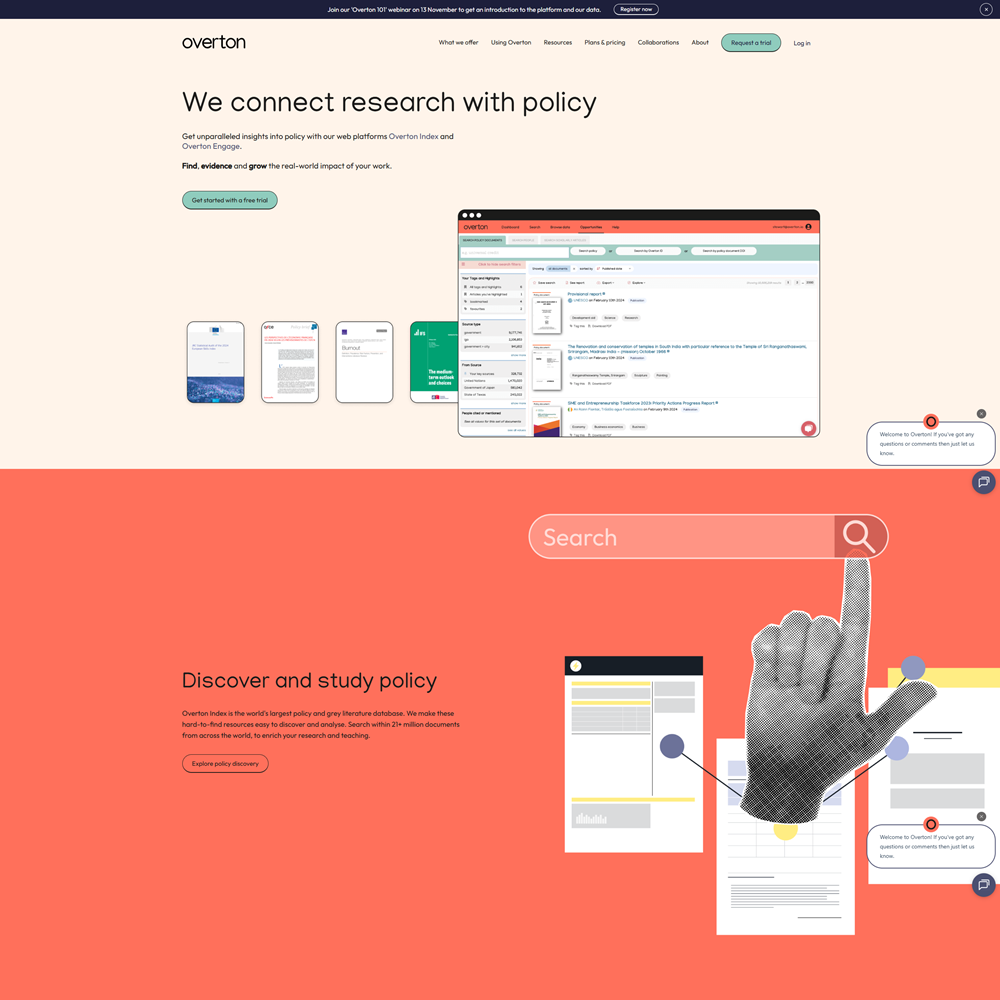
Overton
Overton is the world’s largest database for tracking the influence of research on public policy. Overton provides policy documents, official reports, guidelines, and parliamentary records from governments, think tanks, and international organizations worldwide. It has the largest collection of policy-related material, hard-to-find resources, and gray literature linked to academic research.
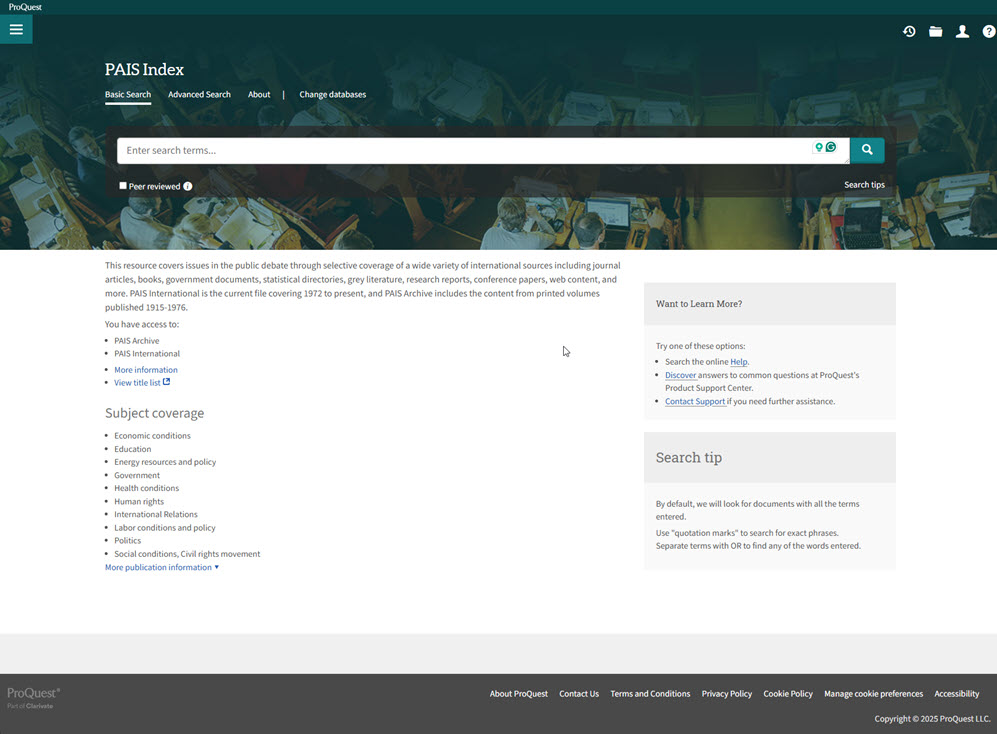
PAIS Index
The PAIS® Index is a public policy database that tracks scholarship and policy research in public affairs, social sciences, and international relations. First developed in 1914 to organize literature on important public issues, PAIS provides a comprehensive index of journal articles, books, government documents, statistical reports, conference proceedings, and gray literature from around the world.
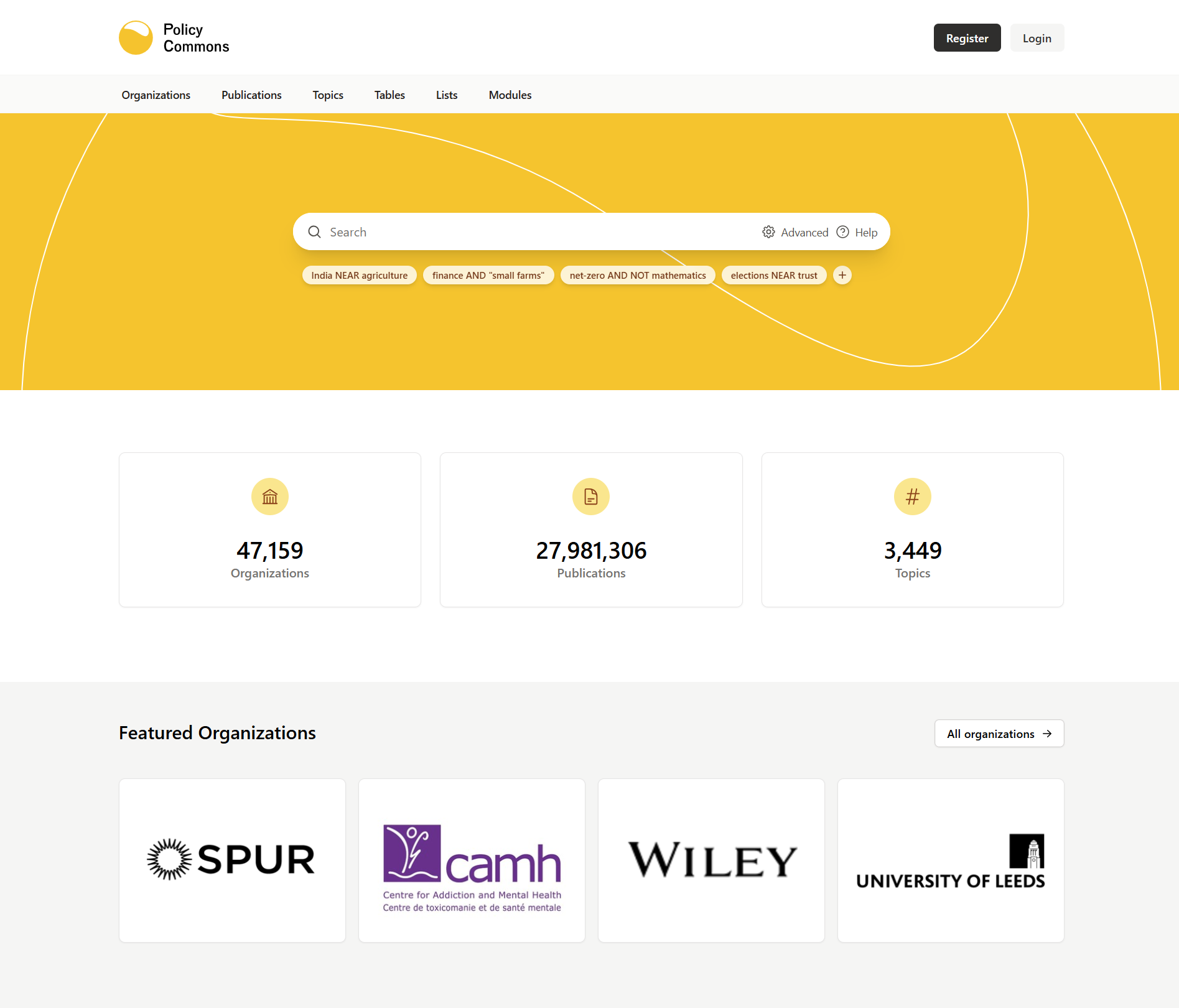
Policy Commons
Policy Commons is a database that provides access to policy reports, working papers, briefs, and other publications from think tanks, NGOs, research institutes, and international organizations. It contains millions of documents covering topics such as economics, governance, environment, health, and international affairs. It also includes archived content from organizations that no longer maintain their own websites.
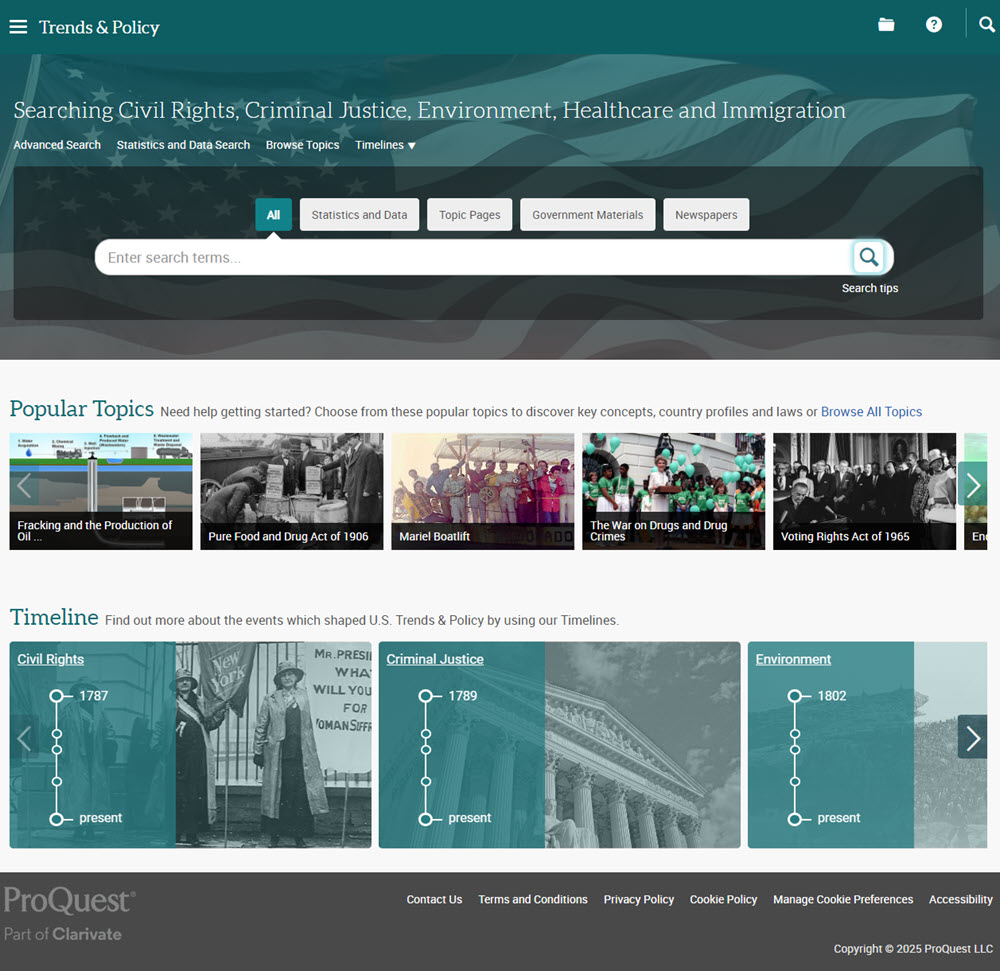
ProQuest Trends and Policy
ProQuest Trends and Policy compiles primary source documents related to U.S. government policy. It includes congressional hearings, committee prints, reports, legislative research studies, and other materials that document the development of public policy over time. The resource is organized around the following key topics: Civil Rights, Civil Criminal Justice, Environment, Healthcare, Immigration, Taxes, and the IRS.
Policy File
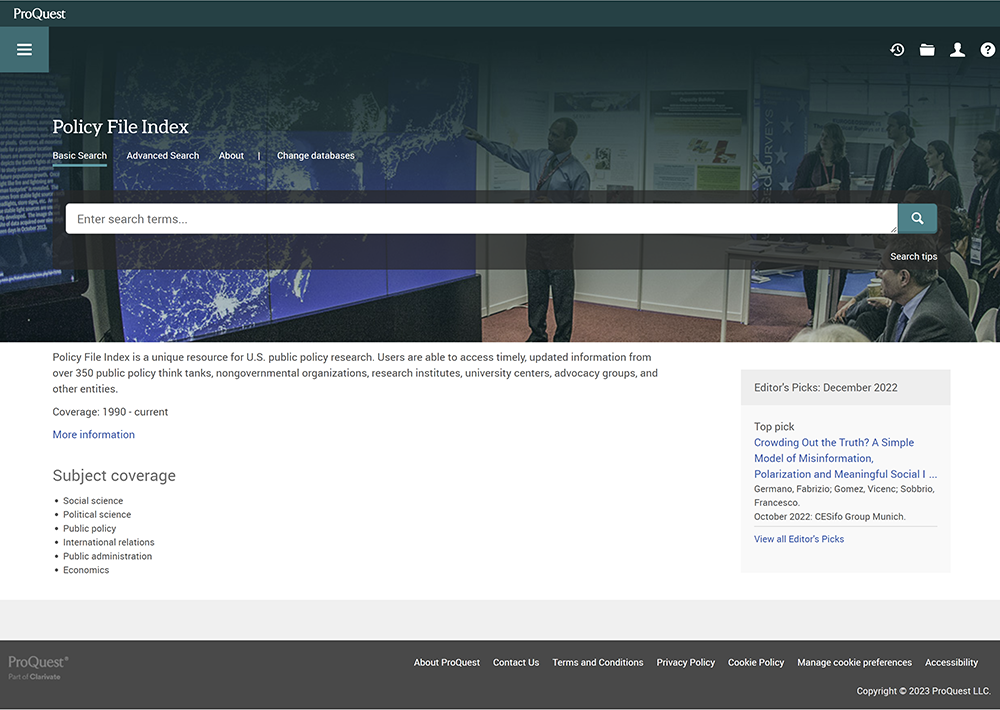
Policy File Index is a ProQuest database that provides public policy research and analysis produced by think tanks, nongovernmental organizations, research institutes, and university centers. It covers topics such as economics, foreign policy, security, environment, education, and social issues. It also includes materials such as policy briefs, reports, and working papers, which are primarily published in the United States.
Title
“Lorem ipsum dolor sit amet, consectetur adipiscing elit, sed do eiusmod tempor incididunt ut labore et dolore magna aliqua. Ut enim ad minim veniam, quis nostrud exercitation ullamco laboris nisi ut aliquip ex ea commodo consequat. Duis aute irure dolor in reprehenderit in voluptate velit esse cillum dolore eu fugiat nulla pariatur. Excepteur sint occaecat cupidatat non proident, sunt in culpa qui officia deserunt mollit anim id est laborum.”
Title
“Lorem ipsum dolor sit amet, consectetur adipiscing elit, sed do eiusmod tempor incididunt ut labore et dolore magna aliqua. Ut enim ad minim veniam, quis nostrud exercitation ullamco laboris nisi ut aliquip ex ea commodo consequat. Duis aute irure dolor in reprehenderit in voluptate velit esse cillum dolore eu fugiat nulla pariatur. Excepteur sint occaecat cupidatat non proident, sunt in culpa qui officia deserunt mollit anim id est laborum.”